- DMT, a key component of ayahuasca, is classified as a Class-1 narcotic in Indonesia.
- Underground ceremonies pose significant risks, including legal repercussions and health hazards.
- Legal alternatives in Bali include breathwork, meditation, and sound healing.
As you step into the vibrant atmosphere of Bali, the air thick with the scent of incense and the distant sound of traditional gamelan music, you’re drawn to the idea of spiritual exploration through an ayahuasca retreat. However, before you embark on this journey, it’s crucial to navigate the complexities of the legal landscape surrounding ayahuasca in Indonesia. This complete route guide for Bali ayahuasca retreat participants will clarify the legalities, the risks of underground ceremonies, and the legal alternatives available, ensuring you tread safely and wisely.
Understanding the Legal Landscape
In Indonesia, the legal status of ayahuasca is unequivocal: it is illegal. Ayahuasca contains DMT (dimethyltryptamine), which is classified as a Class-1 narcotic under Indonesian law. Consequently, the cultivation, distribution, and consumption of ayahuasca are strictly prohibited. The penalties for involvement with narcotics can be severe, including lengthy prison sentences and hefty fines. According to Wikipedia, Indonesia has some of the strictest drug laws in the world, and the government is unwavering in its stance against illegal drugs.
For those considering participation in an underground ayahuasca ceremony, it’s crucial to evaluate the inherent risks. Not only do these ceremonies operate outside the law, but they can also pose significant health risks due to the lack of regulation and oversight. The consumption of ayahuasca without professional guidance can lead to dangerous psychological and physical side effects. Engaging in these practices can expose you to legal repercussions, health hazards, and unqualified facilitators.
Evaluating Claims and Ensuring Safety
When considering any retreat, whether it claims to be a legitimate ayahuasca ceremony or another form of healing, due diligence is essential. This involves researching the facilitators, reading reviews, and seeking testimonials from previous participants. A reputable retreat should have clear credentials, demonstrate a strong understanding of the substances involved, and prioritize participant safety.
It’s advisable to ask potential facilitators about their training and experience, the source of their ayahuasca, and their emergency protocols. A trustworthy retreat will be transparent about the risks involved and will provide thorough pre-ceremony consultations to ensure participants are well-informed and prepared.
Exploring Legal Alternatives in Bali
While ayahuasca retreats may not be legal in Bali, there are numerous legal alternatives that can facilitate personal growth and spiritual exploration. Practices such as breathwork, meditation, and sound healing are widely available and can offer profound experiences without the legal complications associated with ayahuasca.
Breathwork, for instance, has gained popularity for its ability to promote emotional release and heightened states of consciousness. Many wellness centers in Bali offer workshops and guided sessions. Similarly, sound healing, utilizing the vibrations of gongs and singing bowls, can create deep relaxation and spiritual awakening. Meditation retreats are also prevalent, providing a serene environment for introspection and mindfulness.
For those interested in Kambo, a traditional Amazonian practice involving the secretion of the giant monkey frog, it’s important to note that while Kambo is legal in Bali, it should be approached with caution. Ensure that you seek this treatment from qualified practitioners who prioritize safety and hygiene.
Where is Ayahuasca Legally Practiced Abroad?
For those determined to experience ayahuasca in a legal context, several countries around the world offer regulated environments for ayahuasca ceremonies. Peru, Costa Rica, and the Netherlands are popular destinations known for their reputable retreats.
In Peru, the Sacred Valley is home to numerous ayahuasca retreats that operate legally and are overseen by experienced shamans. Many of these retreats follow ethical practices, ensuring the safety and well-being of participants. Costa Rica also has a growing number of retreats that offer ayahuasca ceremonies in a safe and legal manner, often in stunning natural settings that enhance the experience.
The Netherlands has taken a unique approach, allowing the use of ayahuasca under specific conditions. Many retreats offer ayahuasca experiences in a controlled environment, focusing on safety and participant education.
Reputable Retreat Due-Diligence Checklist
When considering a reputable ayahuasca retreat abroad, it’s essential to conduct thorough research. Here’s a checklist to guide your decision-making process:
- Verify the retreat’s legal status and operation within the country.
- Check the credentials of the facilitators and shamans leading the ceremonies.
- Read reviews and testimonials from previous participants to gauge their experiences.
- Inquire about safety protocols, including emergency procedures and health screenings.
- Assess the retreat’s approach to integration support, ensuring you have resources for processing your experience post-ceremony.
Following this checklist can help you find a retreat that prioritizes participant safety and provides a meaningful experience. Remember, the goal of participating in an ayahuasca retreat should always be personal growth and healing, not risk-taking.
Quick FAQ
Is ayahuasca legal in Bali?
No, ayahuasca is illegal in Bali due to the classification of DMT as a Class-1 narcotic.
What are the risks of underground ayahuasca ceremonies?
Risks include legal consequences, health hazards, and lack of qualified facilitators.
What legal alternatives are available in Bali?
Legal options include breathwork, meditation, sound healing, and Kambo treatments.
Where can I legally participate in ayahuasca ceremonies?
Countries like Peru, Costa Rica, and the Netherlands offer legal and regulated ayahuasca retreats.
As you contemplate your spiritual journey, it’s vital to remain informed and cautious. While the allure of an ayahuasca experience in Bali may be strong, understanding the legal framework and the potential risks involved is paramount. For those seeking meaningful healing experiences, exploring legal alternatives can provide profound benefits without the associated risks. For more information on navigating your journey, visit the Bali Ayahuasca Retreat Guide for comprehensive insights and support.
Risks of underground ayahuasca ceremonies
The allure of ayahuasca can lead many seekers into the shadows of underground ceremonies, where legality and safety are often compromised. These clandestine gatherings may promise profound experiences, but they come with significant dangers that participants should be aware of. In addition to potential legal consequences, such as arrests or deportation, participants face health risks from unregulated substances and inexperienced facilitators.
Many underground ceremonies lack proper oversight, making it difficult to ascertain the quality and safety of the ayahuasca being used. Reports from previous participants highlight cases of severe psychological distress and physical health issues stemming from poorly administered ceremonies. Without qualified practitioners, the sacred experience can quickly turn into a traumatic event, underscoring the importance of understanding the risks involved.
Evaluating claims and finding reputable retreats abroad
When searching for ayahuasca experiences, it’s essential to evaluate the legitimacy of claims made by retreat centers. Look for transparency in the facilitators’ qualifications, the sourcing of ayahuasca, and participant testimonials. Trustworthy retreats will often provide detailed information about their practices, including pre- and post-ceremony integration support, which is crucial for a safe experience.
Reputable locations for ayahuasca ceremonies exist in countries where the plant is legally practiced, including Peru and Costa Rica. In Peru, the Sacred Valley has become a hub for ayahuasca retreats, with many centers offering comprehensive packages that include guided experiences. Costa Rica also hosts several well-regarded retreats, often incorporating holistic practices like yoga and meditation to enhance the spiritual journey. As a benchmark, consider that a week-long retreat in Peru typically ranges from $1,000 to $2,500, depending on the services included.
Legal alternatives in Bali: exploring safe practices
While ayahuasca is illegal in Bali, the island offers a plethora of legal alternatives that promote healing and spiritual growth. Practices such as breathwork, meditation, and sound healing are widely accepted and can provide profound experiences without legal repercussions. Breathwork techniques, which can range from guided sessions to intensive workshops, have gained popularity for their ability to induce altered states of consciousness without the use of substances.
Sound healing, often conducted with traditional instruments like gongs and bowls, taps into the vibrational frequencies that many believe can align and balance the energy within the body. These sessions can be found at various wellness centers across Bali, often priced between $30 and $100 per session. Engaging in these legal alternatives allows participants to connect with their inner selves while respecting local laws and customs, ensuring a safe journey of self-discovery.
Planning specifics? See booking details or bali ayahuasca retreat.
Keep Reading

Uncategorized
The Big Myth About Bali Airport Fast Track That Can Ruin Your First Night At A Retreat
Many retreat guests assume Bali airport fast track is a magic VIP lane that legally jumps immigration for anyone who…
Uncategorized
Planning a Luxury Labuan Bajo Escape in 2027 (Part 7)
As you plan your luxury escape to Labuan Bajo in 2027, consider the breathtaking natural beauty, exquisite accommodations, and unforgettable…
Uncategorized
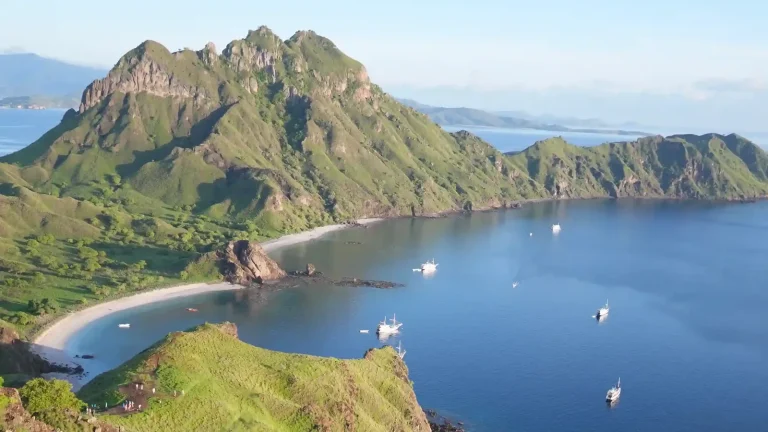
Beyond Bali: Add Komodo to Your Indonesia Trip 2026
If you’re planning a phenomenal Indonesian getaway in 2026, don’t overlook the breathtaking Komodo National Park. This UNESCO World Heritage…