Understanding Ayahuasca and Its Legal Status in Bali
Ayahuasca is a traditional Amazonian brew made from the Banisteriopsis caapi vine and other plants, often containing the powerful psychoactive compound DMT (N,N-Dimethyltryptamine). In Indonesia, DMT is classified as a Class-1 narcotic under the Narcotics Law No. 35 of 2009. This classification makes the production, distribution, and consumption of ayahuasca illegal. As a result, any organized ayahuasca ceremonies in Bali are also illegal.
The Risks of Underground Ayahuasca Ceremonies
Despite the legal restrictions, some individuals and groups may offer underground ayahuasca ceremonies in Bali. Engaging in these ceremonies can pose several risks:
- Legal Risks: Participants may face arrest and prosecution for drug offenses, which can lead to severe penalties, including imprisonment.
- Health Risks: The quality and safety of the ayahuasca brew cannot be guaranteed. Contaminated or improperly prepared brews can lead to serious health complications.
- Safety Risks: Underground ceremonies may lack proper oversight, leading to unsafe environments and unqualified facilitators.
Evaluating Claims of Legitimacy
When considering any wellness retreat or ceremony, it is crucial to evaluate the claims made by facilitators. Here are some guidelines to assess the legitimacy of a retreat:
- Research the Facilitators: Look for facilitators with credible backgrounds in traditional healing practices and verified experience.
- Check Reviews: Seek out independent reviews from previous participants to gauge their experiences and the overall safety of the retreat.
- Verify Legal Compliance: Ensure that the retreat is transparent about its legal standing and does not promote illegal activities.
- Ask Questions: Inquire about the sourcing of ayahuasca and the safety measures in place during ceremonies.
Legal Wellness Alternatives in Bali
While ayahuasca is illegal in Bali, there are numerous legal wellness alternatives that individuals can explore. These practices can provide therapeutic benefits without the legal and safety risks associated with underground ceremonies.
Breathwork
Breathwork involves various techniques that utilize controlled breathing patterns to promote relaxation, emotional release, and personal insight. Many wellness centers in Bali offer breathwork sessions led by certified instructors.
Meditation
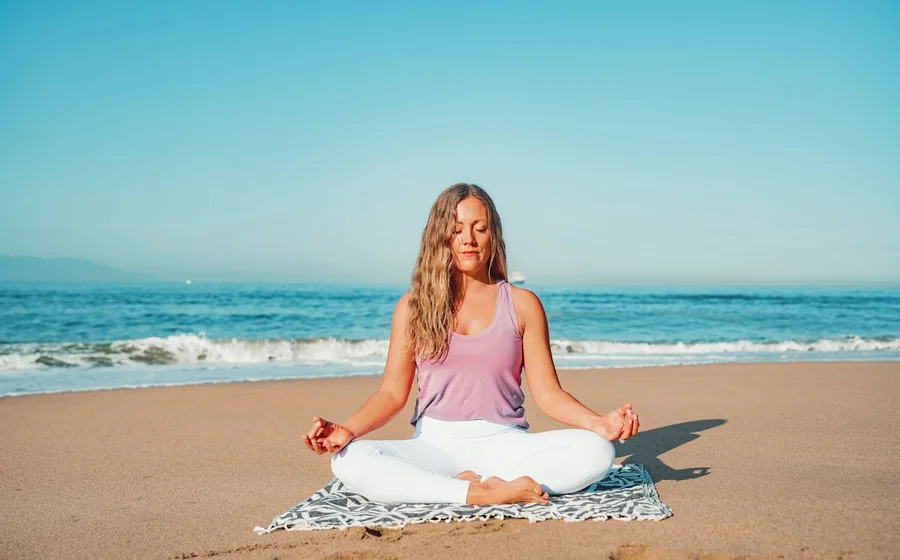
Meditation is a widely practiced technique that encourages mindfulness and self-awareness. Bali is home to numerous meditation retreats and workshops, catering to both beginners and experienced practitioners.
Sound Healing
Sound healing utilizes sound frequencies and vibrations to promote healing and relaxation. This practice can include the use of singing bowls, gongs, and other instruments. Many wellness centers in Bali offer sound healing sessions as part of their programs.
Kambo Legality Discussion
Kambo, a traditional Amazonian medicine derived from the secretion of the Phyllomedusa bicolor frog, is legal in Indonesia. It is often used in detoxification and healing ceremonies. However, participants should still exercise caution and ensure they are working with reputable practitioners who prioritize safety and ethical practices.
Where Ayahuasca Is Legally Practiced Abroad
For those interested in experiencing ayahuasca legally, several countries have established frameworks that allow for its use in traditional and therapeutic settings. Here are some notable locations:
Peru
Peru is one of the most recognized countries for legal ayahuasca retreats. The brew is used in traditional ceremonies led by experienced shamans. Many retreats in Peru focus on safety, ethical practices, and integration support.
Costa Rica
Costa Rica has become a popular destination for ayahuasca retreats, offering a range of options from traditional ceremonies to therapeutic settings. The country has a growing number of reputable retreat centers that prioritize participant safety and well-being.
Netherlands
In the Netherlands, ayahuasca is legal under certain conditions, and several retreat centers operate within the framework of Dutch law. These centers often emphasize the importance of preparation and integration for participants.
Reputable Retreat Due-Diligence Checklist
When considering a retreat abroad for ayahuasca or other healing practices, it is essential to conduct thorough due diligence. Here’s a checklist to help you evaluate potential retreats:
- Legal Status: Confirm that the retreat operates legally in its respective country.
- Facilitator Credentials: Research the qualifications and experience of facilitators and shamans.
- Safety Protocols: Inquire about health and safety measures in place, including medical screenings and emergency procedures.
- Participant Reviews: Look for testimonials and reviews from past participants to assess their experiences.
- Integration Support: Check if the retreat offers integration support post-ceremony to help participants process their experiences.
Conclusion
While ayahuasca retreats are illegal in Bali, there are numerous legal and safe alternatives available for those seeking wellness and healing. Practices such as breathwork, meditation, sound healing, and Kambo offer valuable therapeutic benefits without the legal risks associated with underground ayahuasca ceremonies. For those interested in ayahuasca, exploring reputable retreats in countries where it is legal can provide a safe and enriching experience.
Understanding the legal landscape of wellness practices in Bali
Bali, often referred to as the Island of the Gods, attracts seekers of holistic healing and wellness from around the globe. While ayahuasca ceremonies are illegal, other wellness practices thrive in this vibrant culture. The legal landscape around these alternatives is essential to grasp for anyone looking to explore personal growth without the risks associated with illegal activities.
Breathwork, for instance, is a popular practice that encourages deep, conscious breathing to enhance physical and emotional well-being. Many wellness centers in Bali offer workshops that can range from IDR 600,000 to IDR 1,200,000 (approximately $40 to $80) per session. Additionally, meditation retreats are abundant, with programs designed for all experience levels, often costing around IDR 1,500,000 ($100) for a weekend retreat. Sound healing, utilizing instruments such as singing bowls and gongs, is another method embraced for its therapeutic benefits, with sessions typically priced between IDR 300,000 and IDR 500,000 ($20 to $35).
Evaluating claims about ayahuasca services
In an environment where wellness is marketed heavily, discerning the authenticity of claims related to ayahuasca services is crucial. Many underground retreats may advertise themselves as legitimate but lack proper credentials or experienced facilitators. Relying on online reviews can be misleading, as they may be curated or manipulated. Therefore, it is vital to seek out testimonials from multiple sources and verify the identities of facilitators. Understanding the cultural background and ethical considerations of the practices being offered also plays a key role.
Furthermore, potential participants should consider the legal implications of joining these underground ceremonies. Indonesian authorities have strict penalties for drug-related offenses, which can include prison time or hefty fines. Engaging in illegal activities not only jeopardizes personal safety but can also lead to significant legal repercussions. Always prioritize transparency and legality when looking for spiritual experiences in Bali.
Legal ayahuasca practices abroad
While ayahuasca retreats in Bali are illegal, those seeking this experience can look to countries where it is legally practiced. Peru, for example, has embraced ayahuasca tourism, with numerous retreats located in the Amazon region. These retreats often operate under the guidance of experienced shamans and can offer a safe and authentic experience. The legal framework in Peru allows for the ceremonial use of ayahuasca, making it a popular destination for spiritual seekers.
In Costa Rica and the Netherlands, ayahuasca is also legally permitted, with various retreats providing structured programs that emphasize safety and integration. Participants often receive comprehensive aftercare, ensuring they can process their experiences in a supportive environment. When considering such retreats abroad, it is essential to conduct thorough research, including checking credentials, reading reviews from past attendees, and understanding the local laws regarding ayahuasca.