
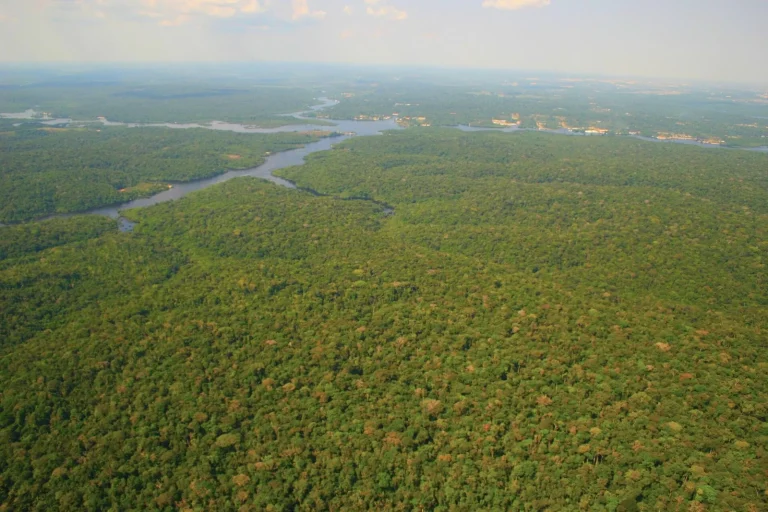
Ayahuasca Retreats and Environmental Conservation: A 2027 Perspective
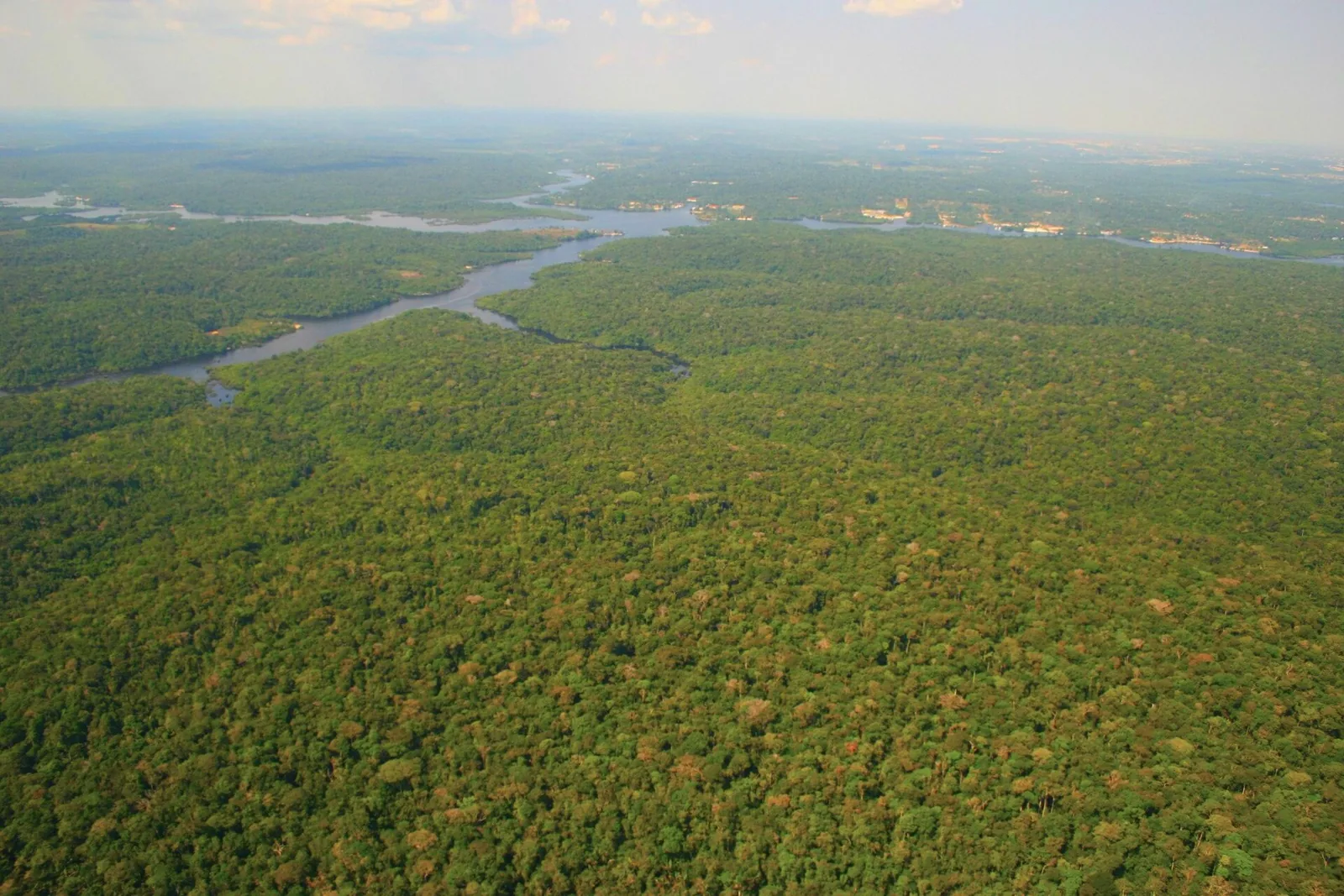
Ayahuasca environmental conservation efforts are increasingly significant as retreats implement sustainable practices, support local ecosystems, and promote ecological awareness among participants.
Ayahuasca Environmental Conservation
In recent years, the relationship between ayahuasca retreats and environmental conservation has gained attention. These retreats often take place in lush natural settings, prompting organisers and participants to prioritise ecological preservation. The commitment to sustainability is not only an ethical choice but also aligns with the spiritual and healing ethos of ayahuasca practice.
Many retreats are situated in regions rich with biodiversity such as the Amazon rainforest, which spans approximately 5.5 million square kilometres across nine countries in South America. These areas are home to innumerable plant and animal species, some of which are yet to be studied by scientists. The need to preserve these ecosystems is critical, not just for the retreats but for global ecological health.
Retreats and Conservation: A Symbiotic Relationship
Ayahuasca retreats are increasingly recognising the importance of conservation. Many retreats are located in biodiverse regions, where organisers work to protect and restore local ecosystems. This includes reforestation projects, habitat preservation, and supporting indigenous communities who have traditionally been stewards of the land.
- Reforestation initiatives to restore native plant species are crucial. For example, retreats may partner with local organizations to plant thousands of trees annually. These efforts help combat deforestation, a major issue in many retreat locations.
- Programs supporting local wildlife conservation efforts often involve collaboration with biologists and conservationists. These programs aim to protect endangered species and maintain biodiversity.
- Collaboration with indigenous communities to promote sustainable land management is vital. Indigenous knowledge systems often include practices that have sustainably managed the land for centuries, such as rotational farming and controlled burns.
By participating in these initiatives, retreats help ensure the long-term sustainability of the regions they inhabit. This aligns with the broader goals of many ayahuasca participants, who seek a deeper connection to nature and a commitment to environmental stewardship.
Eco-Conscious Ayahuasca Practices
Eco-conscious ayahuasca retreats focus on reducing their environmental footprint. This involves using sustainable building materials, implementing waste reduction strategies, and sourcing food locally. Such practices not only minimise the retreat’s environmental impact but also educate participants on sustainable living.
For instance, some retreats use bamboo and other renewable resources for building structures, as these materials are both durable and environmentally friendly. In terms of waste reduction, retreats implement composting systems and encourage the use of biodegradable products. Sourcing food locally reduces carbon emissions associated with transportation and supports local farmers.
Retreats may also offer educational workshops on ecology and sustainability, encouraging participants to integrate these principles into their daily lives. These workshops might cover topics such as permaculture design, which focuses on creating sustainable and self-sufficient agricultural ecosystems.
This approach fosters a community of environmentally aware individuals who are inspired to make positive changes. Participants often leave with a renewed sense of responsibility towards environmental conservation, carrying these lessons into their communities worldwide.
The Role of Ayahuasca Retreats in Supporting Indigenous Communities
Many ayahuasca retreats work closely with indigenous communities, recognising their vital role in conservation efforts. These collaborations often involve fair compensation for the use of traditional knowledge and resources. By supporting these communities, retreats contribute to the preservation of cultural heritage and the protection of natural resources.
Indigenous communities are often involved in guiding the ethical use of ayahuasca, ensuring that its use respects traditional practices and cultural significance. Retreats may also contribute financially to community projects, such as the construction of schools or healthcare facilities, thereby supporting the social and economic well-being of these communities.
To learn more about the legal aspects and ethical considerations of ayahuasca usage, explore our guide on where ayahuasca is legal worldwide.
2027 Note on Ayahuasca and Conservation
As of 2027, the integration of conservation efforts into ayahuasca retreats continues to evolve. The ongoing commitment to sustainability reflects a growing global awareness of environmental issues. Retreats are not only places of personal healing but also hubs for ecological activism, demonstrating a holistic approach to spiritual and environmental well-being.
There is a noticeable shift towards more retreats adopting comprehensive environmental policies. These policies often include detailed plans for reducing carbon footprints and enhancing biodiversity in retreat areas. The trend indicates a future where ayahuasca retreats play a significant role in global conservation initiatives.
FAQ
How are ayahuasca retreats contributing to environmental conservation?
Ayahuasca retreats contribute to environmental conservation by implementing sustainable practices, supporting local ecosystems, and collaborating with indigenous communities to preserve natural resources. These efforts include reforestation projects, wildlife conservation programs, and sustainable land management practices.
What sustainable practices are common in eco-conscious ayahuasca retreats?
Eco-conscious ayahuasca retreats often use sustainable building materials, reduce waste, source local food, and offer educational workshops on sustainability and ecology. These practices aim to minimise environmental impact and promote environmentally friendly living among participants.
How do ayahuasca retreats support indigenous communities?
Ayahuasca retreats support indigenous communities through fair compensation, collaboration on conservation efforts, and the preservation of cultural heritage and traditional knowledge. These partnerships ensure that indigenous practices are respected and that communities benefit from the retreats’ presence.
Keep Reading

Travel Journal
Ayahuasca Psychedelic Research 2027: Exploring New Frontiers
Ayahuasca psychedelic research 2027 highlights significant advancements in understanding its therapeutic potential, biochemical mechanisms, and societal impact. Ayahuasca Psychedelic Research…

Travel Journal
Exploring the Synergies of Ayahuasca Meditation Retreats in 2027
Ayahuasca meditation retreats offer a unique blend of traditional plant medicine ceremonies and mindfulness practices, enhancing emotional healing and self-awareness.…

Travel Journal
Ayahuasca Retreats and the Global Wellness Movement
Ayahuasca retreats are increasingly aligning with the global wellness movement by offering transformative experiences that promote mental, emotional, and spiritual…