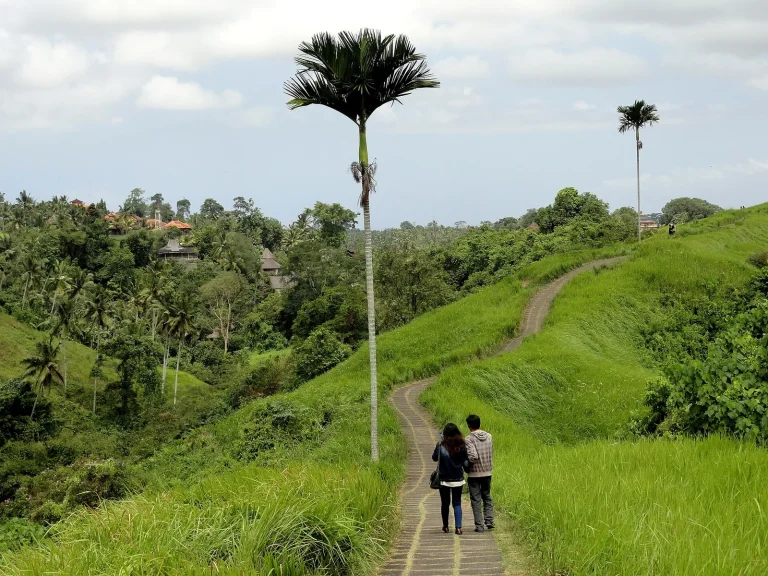
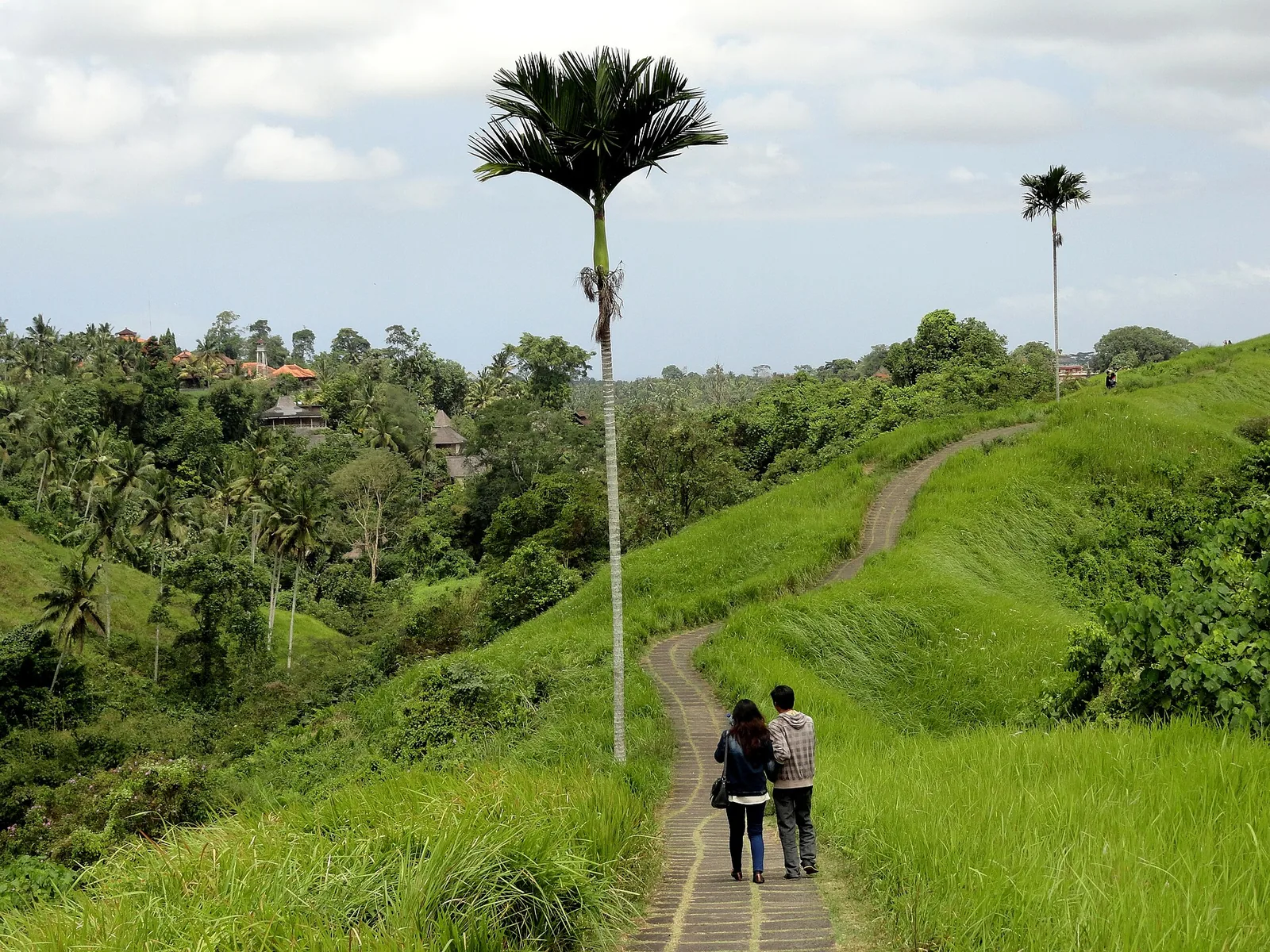
The air is thick with the scent of incense and tropical flora as you step into the serene grounds of a Bali ayahuasca retreat. The sound of gentle waves crashing against the shore mingles with the soft rustling of palm leaves, creating an inviting ambiance that encourages introspection and spiritual exploration. As you embark on this transformative journey, it’s essential to navigate the complexities of legality, safety, and the myriad of offerings available in Bali.
Understanding Ayahuasca and Its Legal Status in Bali
Ayahuasca is a psychoactive brew originating from the Amazon, traditionally used for spiritual healing and insight. However, in Bali, the situation is complicated. The active compound in ayahuasca, DMT (N,N-Dimethyltryptamine), is classified as a Class-1 narcotic under Indonesian law. This makes the preparation, distribution, and consumption of ayahuasca illegal in the country, including Bali. Engaging in ayahuasca ceremonies in Bali can lead to severe legal consequences, including imprisonment.
Despite the vibrant retreat culture in Bali, it’s critical for travelers to recognize the risks associated with underground ceremonies that may claim to offer ayahuasca experiences. These unregulated gatherings can expose participants to unsafe practices, inexperienced facilitators, and potential legal repercussions. Hence, understanding the legal framework is essential for anyone considering a spiritual retreat in Bali.
Assessing the Risks of Underground Ayahuasca Ceremonies
The allure of ayahuasca can tempt many travelers to seek alternative experiences that may not comply with local laws. However, participating in underground ceremonies poses significant risks. First, there’s the legal risk—being caught can lead to arrest and serious penalties. Furthermore, these illegal ceremonies often lack the safety measures and ethical standards upheld by legitimate retreats.
Moreover, the lack of trained facilitators can compromise the integrity of the experience. Participants may encounter poorly prepared brews, leading to unpredictable and potentially harmful effects. It’s crucial to evaluate claims made by retreat hosts critically. Always research their backgrounds, seek testimonials, and verify their practices before committing to any ceremony.
Legal Alternatives to Ayahuasca in Bali
While ayahuasca may be off-limits, Bali offers a range of legal and enriching alternatives for those seeking personal growth and spiritual exploration. Practices such as breathwork, meditation, and sound healing are widely available and can facilitate profound transformation without the legal concerns surrounding ayahuasca.
Breathwork sessions focus on using the breath as a tool to access altered states of consciousness, promoting deep relaxation and emotional release. Meditation retreats, whether focused on mindfulness or traditional practices, can provide clarity and insight. Additionally, sound healing—using instruments like gongs and singing bowls—creates a vibrational experience that can foster healing and introspection.
These practices are not only legal but have been embraced by wellness enthusiasts globally. They allow for a safe exploration of consciousness and self-awareness without the associated risks of illegal substances.
Where Is Ayahuasca Legally Practiced?
For those determined to experience ayahuasca, several countries offer legal, regulated retreats. Peru is perhaps the most renowned destination, known for its traditional shamanic practices and a variety of retreat options. The Sacred Valley and Iquitos are particularly popular for those seeking authentic ayahuasca experiences.
In Costa Rica, retreats often provide a safe and supportive environment, emphasizing integration and personal growth. The Netherlands also has legally sanctioned centers where ayahuasca can be consumed under regulated circumstances. Before traveling, it’s essential to conduct thorough research on these retreats, ensuring they prioritize safety, ethical practices, and experienced facilitators.
Evaluating Reputable Ayahuasca Retreats Abroad
When considering ayahuasca retreats outside of Indonesia, due diligence is crucial. Start by looking for retreats with positive reviews and transparent practices. A reputable retreat will provide detailed information about their facilitators, the sourcing of their ayahuasca, and the safety measures they have in place.
Check for certifications, such as those from wellness organizations or local health authorities. Additionally, inquire about the retreat’s approach to integration, which is essential for processing the experiences gained during the ceremony. A good retreat will offer support and resources for participants to help them integrate their insights into daily life.
Furthermore, consider the retreat’s environment—whether it promotes a serene and supportive atmosphere conducive to healing. Look for small group sizes to ensure personalized attention and safety during ceremonies.
What Is Legal in Bali? A Closer Look
In Bali, while ayahuasca is illegal, a variety of wellness practices are thriving. Kambo, another traditional healing practice involving the secretion of the Phyllomedusa bicolor frog, is legal and gaining popularity. It’s often sought for its purported detoxifying effects, though participants should also approach this practice with caution and research qualified practitioners.
Other legal modalities include yoga retreats, holistic health workshops, and wellness festivals that focus on various healing techniques. These alternatives not only adhere to local laws but also provide impactful experiences for personal growth and transformation.
Quick FAQ
Is ayahuasca legal in Bali?
No, ayahuasca is illegal in Bali due to its DMT content, classified as a Class-1 narcotic.
What are the risks of underground ayahuasca ceremonies?
Engaging in underground ceremonies can lead to legal consequences, unsafe practices, and inexperienced facilitators.
What legal alternatives are available in Bali?
Legal alternatives include breathwork, meditation, sound healing, and Kambo.
Where can I experience ayahuasca legally?
Ayahuasca can be legally practiced in Peru, Costa Rica, and the Netherlands, among other countries.
As you plan your spiritual journey, remember that while the allure of ayahuasca can be strong, prioritizing safety and legality is paramount. Bali offers diverse and enriching experiences that can facilitate personal transformation without navigating the complexities of illegal practices.
For more information on navigating the world of ayahuasca retreats, including pricing and costs, visit the Bali Ayahuasca Retreat Guide. Explore safe and legal alternatives that resonate with your spiritual journey and keep your experience enriching and secure.
As you delve deeper into your exploration of consciousness, always stay informed and mindful of the laws and practices surrounding ayahuasca and similar experiences. If you’re considering a Bali ayahuasca retreat, ensure you are well-informed about your options and the legal landscape. For more resources and insights, check out our comprehensive guide on ayahuasca retreats here.
Planning specifics? See Bali Ayahuasca Retreat Guide or bali ayahuasca retreat.
Keep Reading

Uncategorized
The Big Myth About Bali Airport Fast Track That Can Ruin Your First Night At A Retreat
Many retreat guests assume Bali airport fast track is a magic VIP lane that legally jumps immigration for anyone who…
Uncategorized
Planning a Luxury Labuan Bajo Escape in 2027 (Part 7)
As you plan your luxury escape to Labuan Bajo in 2027, consider the breathtaking natural beauty, exquisite accommodations, and unforgettable…
Uncategorized
Beyond Bali: Add Komodo to Your Indonesia Trip 2026
If you’re planning a phenomenal Indonesian getaway in 2026, don’t overlook the breathtaking Komodo National Park. This UNESCO World Heritage…