Medical Risks of Ayahuasca: Heart Conditions, Medications and Interactions
The scent of burning sage and the whisper of the jungle envelop you as you approach a Bali ayahuasca retreat. Here, ancient traditions meet contemporary wellness practices, offering a profound journey into the self. Yet, beneath this spiritual exploration lies a complex web of medical risks that one must navigate carefully.
Which medications are dangerous to combine with ayahuasca?
Combining ayahuasca with certain medications poses severe health risks. This is particularly true for selective serotonin reuptake inhibitors (SSRIs), tricyclic antidepressants, and other psychiatric medications. Ayahuasca contains a natural monoamine oxidase inhibitor (MAOI) that can lead to dangerously high levels of serotonin in the brain. When combined with SSRIs, this may result in serotonin syndrome, a potentially life-threatening condition characterized by symptoms such as agitation, confusion, rapid heart rate, and high blood pressure.
Moreover, anti-anxiety medications like benzodiazepines can also interact unfavorably with ayahuasca. The natural compounds in ayahuasca, primarily DMT, may amplify the sedative effects, leading to respiratory depression or other severe side effects. Individuals taking medications for heart conditions—such as beta-blockers or calcium channel blockers—should also exercise caution. The plant compounds could alter heart rates or blood pressure, leading to further complications.
Before participating in a retreat, it’s crucial for attendees to disclose their full medication list to the retreat facilitators. This transparency ensures appropriate health screenings can be conducted, mitigating potential risks.
Why are SSRIs and MAOIs a risky mix with ayahuasca?
The combination of SSRIs and MAOIs in ayahuasca is highly problematic due to the risk of serotonin syndrome. Ayahuasca’s active compound, DMT, requires the presence of an MAOI to be psychoactive. This combination can drastically increase serotonin levels in the brain, leading to hyperactivity of the serotonin system and subsequent life-threatening symptoms.
The symptoms of serotonin syndrome can escalate quickly, manifesting as confusion, hallucinations, rapid heart rate, fluctuating blood pressure, and loss of muscle coordination. In severe cases, it can lead to seizures, high fever, or even death. Individuals on SSRIs are often prescribed these medications for severe depression or anxiety disorders. The risk of encountering serotonin syndrome is particularly high when there is no medical supervision or screening before consuming ayahuasca.
It’s vital for individuals who are considering ayahuasca to consult healthcare professionals about their medications well in advance. Many reputable Bali ayahuasca retreats will require individuals to undergo a thorough health screening to identify possible contraindications, ensuring the safety of all participants.
What medical checks should reputable retreats require?
Reputable ayahuasca retreats should implement comprehensive health screenings as a mandatory part of their intake process. These checks are crucial for identifying potential medical risks and ensuring participant safety. Essential components of a thorough medical screening typically include:
1. **Health History Questionnaire**: Participants should provide detailed information about their medical history, including any pre-existing conditions, past psychiatric diagnoses, and current medications. This helps facilitators understand the individual’s health landscape.
2. **Consultation with Medical Professionals**: Some retreats may require a consultation with a healthcare provider to assess the risks associated with ayahuasca use, especially for those on medications or with heart conditions.
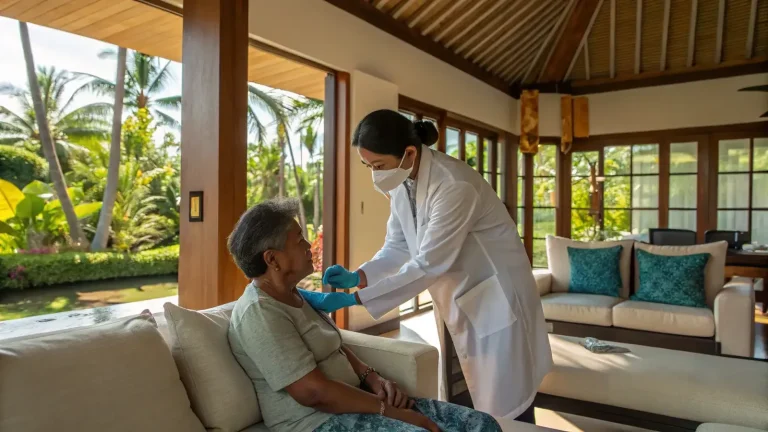
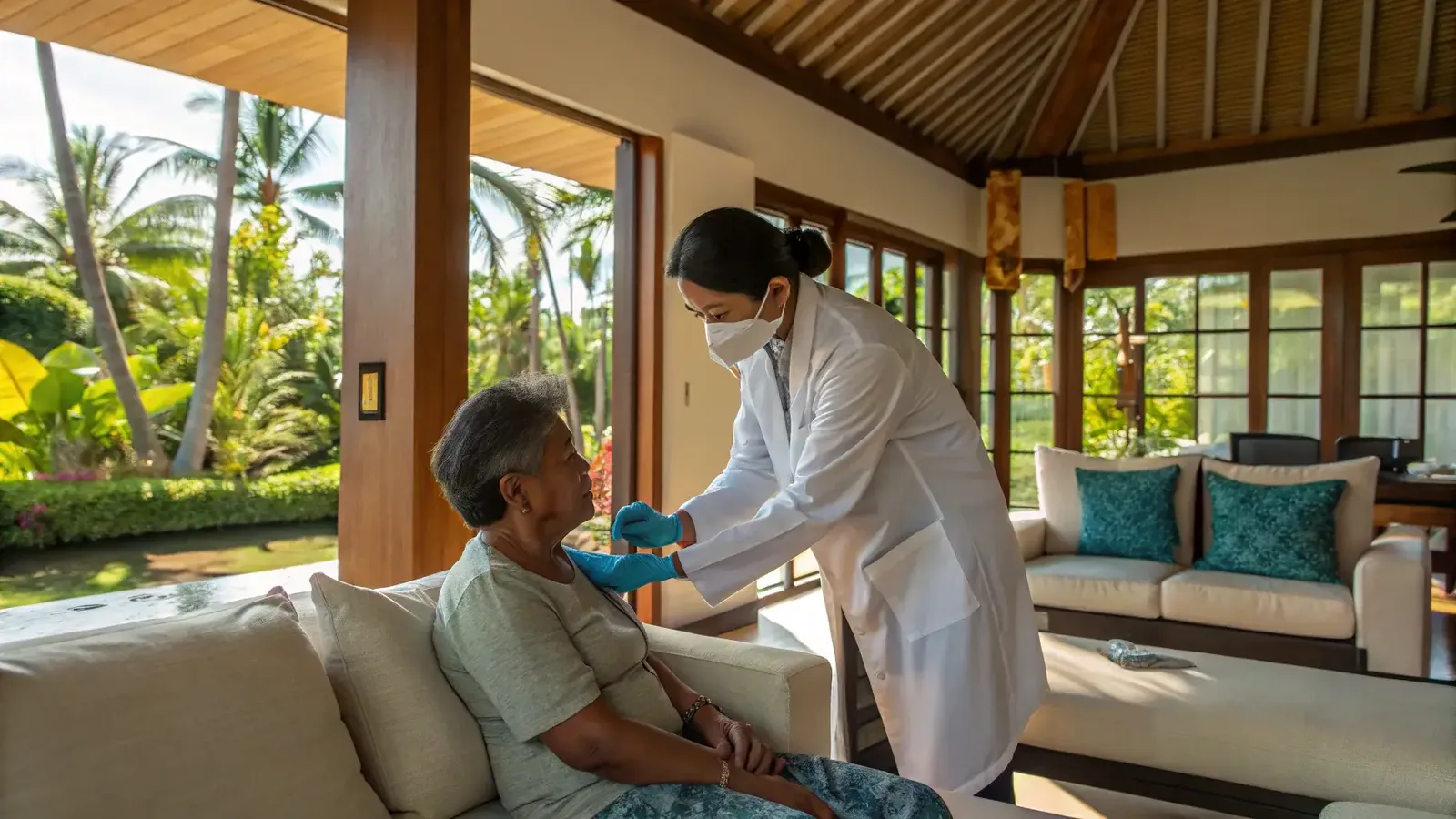
3. **Physical Health Assessment**: Basic health checks, including blood pressure, heart rate, and overall physical condition, are crucial. Retreats might partner with licensed healthcare providers to conduct these assessments.
4. **Mental Health Evaluation**: A mental health screening can help identify any underlying psychiatric conditions that may be exacerbated by ayahuasca, ensuring that participants are mentally prepared for the experience.
In Bali, retreats range from USD 100 to USD 500 per session, depending on the amenities and level of medical oversight offered. By enforcing strict screening protocols, retreats foster a safer environment for participants, which is essential for a truly healing experience.
Are there safer healing options for people on long-term medication?
For individuals on long-term medication, alternative healing modalities may provide a safer path to wellness compared to ayahuasca. Options such as mindfulness meditation, yoga, and other integrative therapies can offer substantial benefits without the risks associated with psychoactive substances.
Mindfulness meditation has been shown to significantly reduce symptoms of anxiety and depression, providing natural relief without interfering with medication. Similarly, yoga combines physical movement with breathwork, which can enhance mental health and physical well-being.
Another promising avenue is the use of adaptogens—herbs like ashwagandha, rhodiola, and holy basil—which can help balance stress hormones and improve mood. Additionally, therapy methods such as cognitive behavioral therapy (CBT) or dialectical behavior therapy (DBT) can offer structured support for those with mental health concerns.
Retreats focusing on these alternative therapies are also abundant in Bali, where participants can expect to pay between USD 50 and USD 300 for sessions. By choosing these methods, individuals can pursue healing in a way that complements their medication regimen without the risk of adverse interactions.
Legal status of ayahuasca in various countries
The legal status of ayahuasca varies from country to country, impacting where and how individuals can safely partake in this traditional brew. In Indonesia, where Bali is located, ayahuasca is illegal. However, some retreats operate in a legal grey area, emphasizing spiritual rather than recreational use.
In contrast, Peru and Costa Rica have established a more lenient framework, recognizing the traditional use of ayahuasca by indigenous communities. In these countries, ayahuasca is often legally permissible within a ceremonial context, allowing for safer, supervised experiences under the guidance of experienced shamans.
The Netherlands has also embraced a regulatory approach, permitting the ceremonial use of ayahuasca, while ensuring that those participating are adequately informed about the associated risks and necessary health screenings. Understanding the legal implications of ayahuasca use is important for individuals considering a retreat, ensuring they choose a location that aligns with their values and legal considerations.
Conclusion
The exploration of ayahuasca in a Bali ayahuasca retreat can be a transformative experience but comes with inherent medical risks, especially concerning heart health and interactions with medications. Individuals should conduct thorough research, consult healthcare professionals, and disclose all health information to retreat facilitators.
For those on long-term medication, alternative healing modalities exist that can provide substantial benefits without the risks associated with ayahuasca. Ultimately, the choice should prioritize safety, health, and informed decision-making.
To begin planning your journey or to gain more insights into safe practices at ayahuasca retreats, contact the team and explore our comprehensive resources.
Planning specifics? See compare packages or bali ayahuasca retreat.
Keep Reading

Uncategorized
The Big Myth About Bali Airport Fast Track That Can Ruin Your First Night At A Retreat
Many retreat guests assume Bali airport fast track is a magic VIP lane that legally jumps immigration for anyone who…
Uncategorized
Planning a Luxury Labuan Bajo Escape in 2027 (Part 7)
As you plan your luxury escape to Labuan Bajo in 2027, consider the breathtaking natural beauty, exquisite accommodations, and unforgettable…
Uncategorized
Beyond Bali: Add Komodo to Your Indonesia Trip 2026
If you’re planning a phenomenal Indonesian getaway in 2026, don’t overlook the breathtaking Komodo National Park. This UNESCO World Heritage…