Ayahuasca Retreat Trends 2027: Future
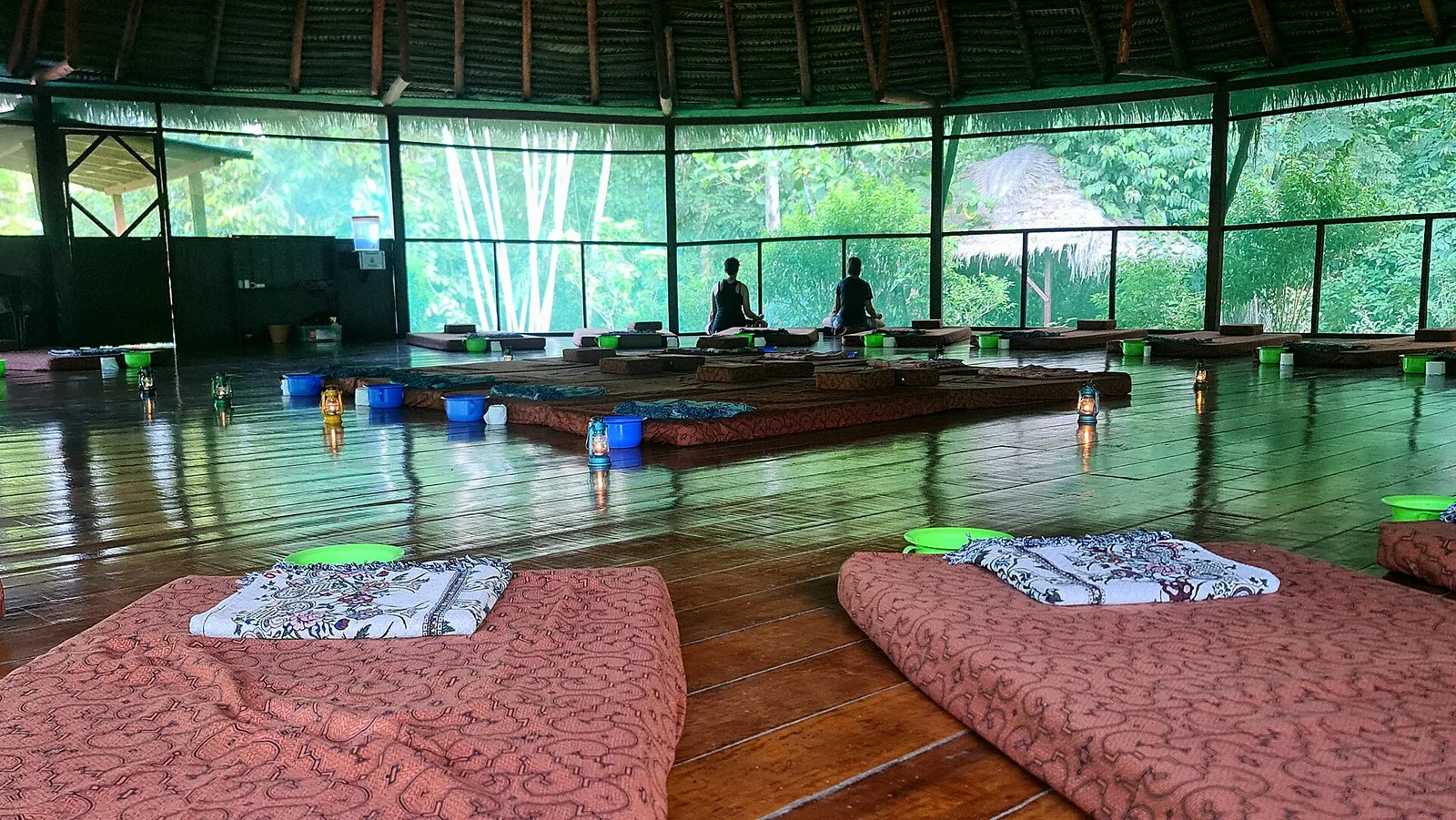
The future of ayahuasca retreats in 2027 is set to embrace technological integration, enhanced legal frameworks, and a focus on personalised experiences, reflecting evolving consumer needs.
Ayahuasca Retreat Trends 2027
As we look towards 2027, the landscape of ayahuasca retreats continues to evolve. The integration of technology, increased legal recognition, and a shift towards more personalised and holistic experiences are shaping the future of these transformative journeys. This exploration into the ayahuasca evolution highlights key trends that enthusiasts and practitioners can expect in the coming years.
Technological Integration
By 2027, technological advancements will play a significant role in enhancing the overall retreat experience. Virtual reality, for example, might be used to prepare participants before their journey, helping to set intentions and reduce pre-retreat anxiety. Imagine a scenario where participants engage in virtual reality simulations that replicate the ceremonial environment, enabling them to familiarise themselves with the process. This could significantly reduce apprehension, allowing individuals to enter the retreat with a more grounded mindset.
Additionally, apps and online platforms could offer post-retreat support, connecting individuals with therapists and community groups remotely. These platforms could provide a space for sharing experiences, seeking guidance, and maintaining the integration of insights gained during the retreat. For instance, an app might facilitate weekly group discussions with a therapist, ensuring that participants receive ongoing support and are able to process their experiences in a safe and structured manner.
Legal Recognition and Regulation
The ayahuasca future is also marked by increasing legal acceptance and regulation. Countries are gradually recognising the therapeutic benefits of ayahuasca, leading to more structured and legally compliant retreats. This shift not only provides participants with safer environments but also promotes responsible use and cultural respect, ensuring that the ancient traditions of ayahuasca are honoured and preserved.
In countries such as Brazil and Peru, where ayahuasca has been traditionally used, the legal frameworks might be further refined to ensure that retreats operate under strict guidelines. This could include licensing requirements for facilitators, mandatory health checks for participants, and clear protocols for emergency situations. Such measures would enhance the credibility of retreats and provide peace of mind for attendees, knowing that they are participating in a legally recognised and professionally managed environment.
Personalised and Holistic Experiences
There’s a growing demand for retreats that cater to individual needs and preferences. By 2027, many ayahuasca retreats will offer customised programs that include dietary plans, meditation, yoga, and other wellness practices. This holistic approach aims to support participants’ mental, physical, and spiritual well-being, ensuring a more comprehensive healing experience.
For instance, retreats may begin with a personalised health assessment to tailor dietary plans that accommodate specific nutritional needs or restrictions. Participants might engage in daily yoga sessions designed to complement the introspective nature of the ayahuasca experience, promoting physical balance and mental clarity. Additionally, meditation workshops could be integrated, teaching techniques to quiet the mind and enhance the introspective journey.
Global Awareness and Cultural Respect
As ayahuasca retreats gain popularity worldwide, there is a stronger emphasis on cultural sensitivity and respect for indigenous practices. Retreats are increasingly involving native shamans and healers to lead ceremonies, ensuring authenticity and safeguarding traditional knowledge. This trend not only enriches the participant experience but also supports indigenous communities.
Engaging native shamans provides participants with a more authentic and respectful experience, as these healers bring a wealth of traditional knowledge and spiritual insight. Retreats might also include educational sessions on the cultural history and significance of ayahuasca, fostering a deeper understanding and appreciation among participants. By supporting indigenous communities, retreats can contribute to the preservation of cultural heritage and provide economic benefits to these groups, ensuring that they continue to thrive.
2027 Note
In 2027, those interested in exploring an ayahuasca retreat will benefit from a more interconnected, legally sound, and culturally respectful environment. To learn more about where ayahuasca is legal worldwide, consider visiting our page on ayahuasca legality.
FAQ
What are the predicted trends for ayahuasca retreats in 2027?
Predicted trends include technological integration, stronger legal frameworks, personalised programs, and a greater emphasis on cultural respect. These trends reflect a growing recognition of ayahuasca’s therapeutic potential and a commitment to providing safe, respectful, and meaningful experiences for participants.
How is technology expected to influence ayahuasca retreats?
Technology is expected to enhance preparation and aftercare through VR experiences and online support communities, providing a comprehensive retreat journey. Participants might utilise virtual reality to acclimate to the ceremonial setting, while digital platforms offer continuous support post-retreat, ensuring that insights are effectively integrated into daily life.
Why is legal recognition important for ayahuasca retreats?
Legal recognition helps ensure safety, promotes responsible use, and respects cultural traditions, making retreats more accessible and credible. By operating within a legal framework, retreats can guarantee that participants receive a consistent and professional experience, thereby enhancing the overall credibility and acceptance of ayahuasca within the global wellness community.
Keep Reading
Travel Journal
Ayahuasca Psychedelic Research 2027: Exploring New Frontiers
Ayahuasca psychedelic research 2027 highlights significant advancements in understanding its therapeutic potential, biochemical mechanisms, and societal impact. Ayahuasca Psychedelic Research…
Travel Journal
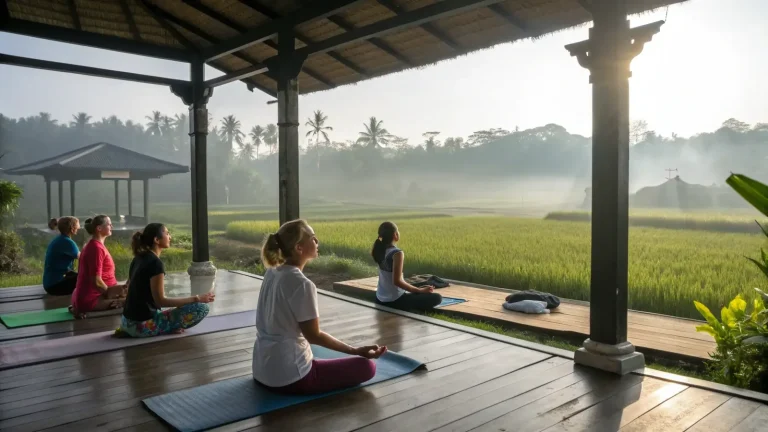
Exploring the Synergies of Ayahuasca Meditation Retreats in 2027
Ayahuasca meditation retreats offer a unique blend of traditional plant medicine ceremonies and mindfulness practices, enhancing emotional healing and self-awareness.…
Travel Journal
Ayahuasca Retreats and the Global Wellness Movement
Ayahuasca retreats are increasingly aligning with the global wellness movement by offering transformative experiences that promote mental, emotional, and spiritual…