Legal Healing Retreats in Bali vs. Ayahuasca Retreats Abroad: How to Decide
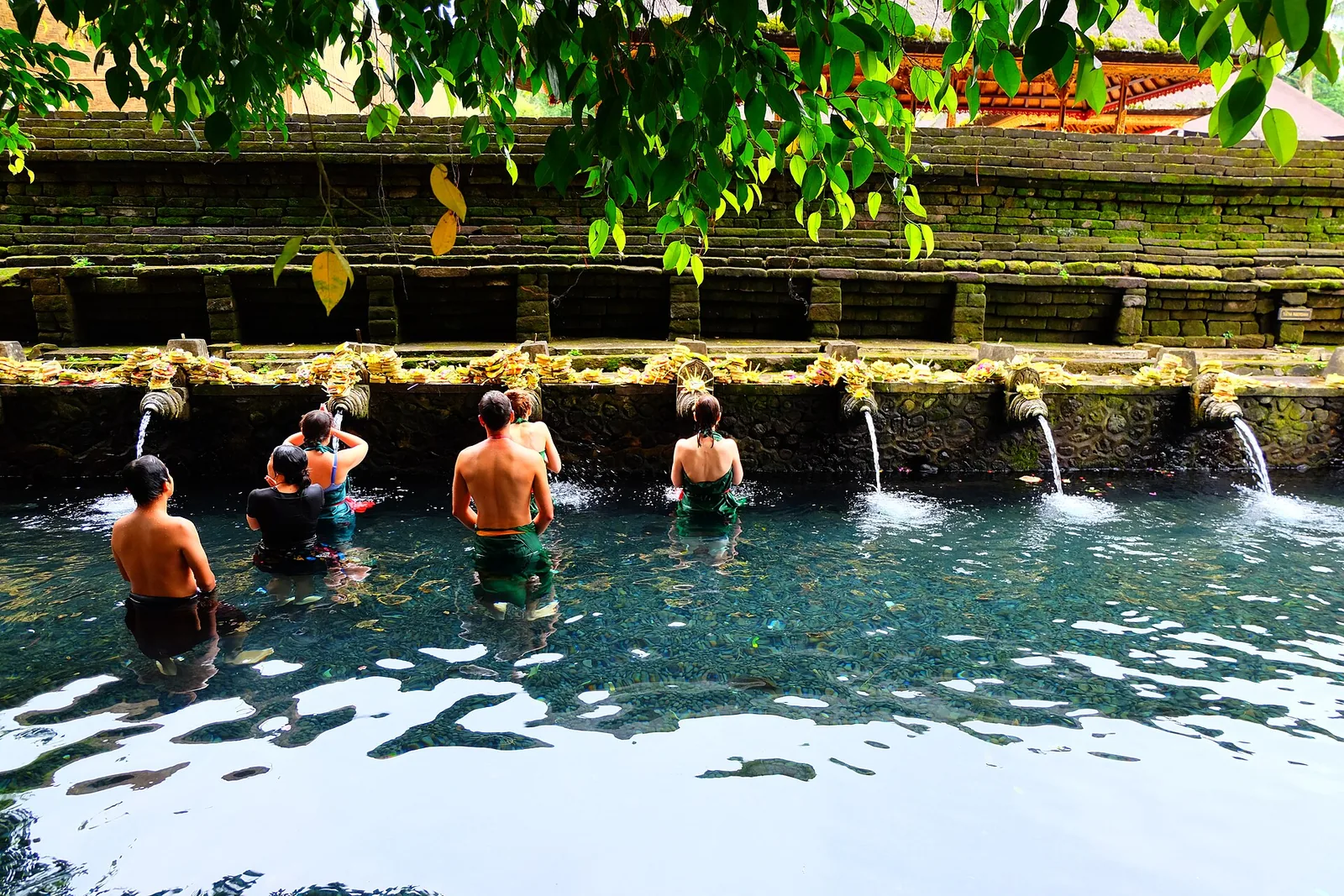
- Bali offers legal retreats with various healing modalities, while ayahuasca is primarily legal in specific countries.
- Costs can vary significantly; Bali retreats typically range from $500 to $3,000 for a week, while ayahuasca retreats in Peru average around $700 to $1,500.
- Preparation in Bali can enhance the effectiveness of future ayahuasca experiences.
The scent of frangipani fills the air, mingling with the earthy aroma of lush greenery as you contemplate your next spiritual journey. Bali and its legal healing retreats present a compelling alternative to the more traditional ayahuasca experiences found in countries like Peru.
Should I choose a legal healing retreat in Bali or go abroad for ayahuasca?
Choosing between a legal healing retreat in Bali and an ayahuasca retreat abroad depends on several factors, including legality, personal goals, and comfort level. Bali legalized many holistic healing practices, offering a range of therapies such as yoga, meditation, and sound healing without the legal concerns present in many countries regarding ayahuasca. Ayahuasca, a potent psychoactive brew, is only legally available in specific locations like Peru, Costa Rica, and the Netherlands. If you are seeking a guided experience with ayahuasca, you may need to travel internationally, which comes with its own set of challenges and costs.
How do costs compare between Bali wellness retreats and ayahuasca in Peru?
Cost is a significant factor when comparing Bali wellness retreats to ayahuasca retreats in Peru. In Bali, a week-long retreat can range from $500 to $3,000, depending on the accommodation, meals, and included activities. For instance, a reputable retreat like “The Yoga Barn” offers packages that include daily yoga sessions and holistic workshops (source: [Bali Retreats](https://www.indonesia.travel)). In contrast, ayahuasca retreats in Peru typically range from $700 to $1,500 for a similar timeframe, with costs influenced by the length of stay and the reputation of the shaman. It’s essential to consider not only the price but also what each retreat offers in terms of experience and support.
Can I prepare for a future ayahuasca retreat while in Bali?
Yes, you can prepare for a future ayahuasca retreat while in Bali by engaging in various practices that promote mental and emotional readiness. Many Bali retreats incorporate breathwork, meditation, and dietary guidelines that align well with the preparatory phase for ayahuasca. Techniques such as mindfulness meditation can help you develop the necessary mental clarity and emotional resilience before the intense experience of ayahuasca. Furthermore, participating in a holistic retreat can serve as a gentle introduction to self-exploration and healing, setting the stage for a more profound ayahuasca experience abroad.
Is it better to start with breathwork before doing ayahuasca abroad?
Starting with breathwork before embarking on an ayahuasca retreat abroad can significantly enhance your experience. Breathwork practices, often available in Bali, facilitate emotional release and help in grounding oneself, which is crucial when preparing for the intense nature of ayahuasca. Techniques like Holotropic Breathwork or Transformational Breath can increase self-awareness and emotional regulation, allowing for a smoother transition into ayahuasca’s deep introspective journey. Many participants find that prior breathwork enhances the efficacy of their ayahuasca sessions, leading to more profound insights.
What legal considerations should I keep in mind when choosing a retreat?
Understanding the legal implications of ayahuasca consumption is crucial when selecting a retreat. In Bali, the use of ayahuasca is largely unregulated, leading to a proliferation of retreats that may not adhere to safety standards. Conversely, Peru’s legal framework allows for ayahuasca ceremonies under specific conditions, typically involving traditional shamans. It’s vital to conduct thorough research on the legal status of ayahuasca in your chosen destination, as violations can result in serious legal repercussions. Websites such as [Wikipedia](https://en.wikipedia.org/wiki/Ayahuasca) or [UNESCO](https://whc.unesco.org/en/list/) provide useful resources to understand the cultural and legal aspects of ayahuasca.
What are some alternatives to ayahuasca retreats in Bali?
For those seeking alternatives to ayahuasca retreats, Bali offers a diverse range of holistic healing practices. Options include sound healing, energy healing, and traditional Balinese healing sessions. These modalities can address emotional and spiritual needs without the use of psychoactive substances. For instance, retreats like “Soulshine” offer a combination of yoga, meditation, and wellness workshops designed to promote personal growth and healing. Exploring these alternatives may provide the healing benefits sought without the intensity of ayahuasca.
As you weigh your options between a Bali ayahuasca retreat and an international experience, consider your personal goals, legalities, and the types of healing practices that resonate with you. For further inquiries or to explore available retreats, contact the team or visit our homepage for more information on the best options tailored to your spiritual journey.
Understanding the legal landscape of ayahuasca in Indonesia
As the sun rises over the rice terraces of Ubud, the question of legality looms large for those seeking spiritual experiences in Bali. Ayahuasca, a brew traditionally used by indigenous cultures in the Amazon, contains DMT (dimethyltryptamine), which is classified as a Class-1 narcotic in Indonesia. This means that possession, use, or distribution of ayahuasca is illegal. Indonesia has strict drug laws, with penalties that can include lengthy prison sentences and hefty fines. In contrast, the country permits various other well-being practices, making it crucial for travelers to navigate these regulations carefully.
The risks associated with underground ayahuasca ceremonies in Bali cannot be overstated. While some may seek out these clandestine gatherings for a transformative experience, the lack of regulation means that participants often face unqualified facilitators, unsafe environments, and potentially harmful practices. It is essential to ask the right questions and thoroughly evaluate the credibility of any retreat or ceremony before committing to a life-changing experience.
Exploring legal alternatives in Bali
For those drawn to Bali for healing, the island offers a rich tapestry of legal wellness alternatives. From breathwork and meditation to sound healing and Kambo, these modalities provide transformative experiences without the legal risks associated with ayahuasca. Breathwork retreats, for instance, often range from $300 to $1,200 for a week, depending on the length and depth of the program. Many participants find that these practices can enhance self-awareness and emotional healing, often preparing them for future experiences with ayahuasca in a legal setting abroad.
Sound healing, utilizing vibrational therapies through instruments like gongs and singing bowls, has gained popularity in Bali. Sessions typically last around 60 to 90 minutes and can cost between $20 and $100. As you immerse yourself in these legal practices, you may find that they offer profound insights and healing without the risks associated with illegal substances. Additionally, many centers offer integration workshops to help participants process their experiences and maintain their newfound clarity.
Reputable ayahuasca retreats abroad
If you decide to pursue ayahuasca, several countries, including Peru, Costa Rica, and the Netherlands, have established legal frameworks for these ceremonies. In Peru, for example, ayahuasca retreats often take place in the Sacred Valley and can range from $700 to $1,500 for a week of guided ceremonies and accommodations. These retreats typically feature experienced shamans who adhere to traditional practices and prioritize participant safety.
In Costa Rica, where ayahuasca is legal, retreats often emphasize eco-tourism and holistic wellness, with packages starting around $800. Meanwhile, the Netherlands has emerged as a European hub for ayahuasca, with retreats operating under strict guidelines, ensuring participant safety and ethical practices. When considering a retreat abroad, it’s essential to conduct thorough research. Look for testimonials, review the retreat’s safety protocols, and ensure that facilitators are adequately trained. Resources such as Wikipedia provide valuable insights into the legality and cultural significance of ayahuasca practices across the globe.
Planning specifics? See compare packages or check availability.
Keep Reading

Uncategorized
The Big Myth About Bali Airport Fast Track That Can Ruin Your First Night At A Retreat
Many retreat guests assume Bali airport fast track is a magic VIP lane that legally jumps immigration for anyone who…
Uncategorized
Planning a Luxury Labuan Bajo Escape in 2027 (Part 7)
As you plan your luxury escape to Labuan Bajo in 2027, consider the breathtaking natural beauty, exquisite accommodations, and unforgettable…
Uncategorized
Beyond Bali: Add Komodo to Your Indonesia Trip 2026
If you’re planning a phenomenal Indonesian getaway in 2026, don’t overlook the breathtaking Komodo National Park. This UNESCO World Heritage…