Ayahuasca Retreats in Peru: Legal Context, Safety and How to Research Centers
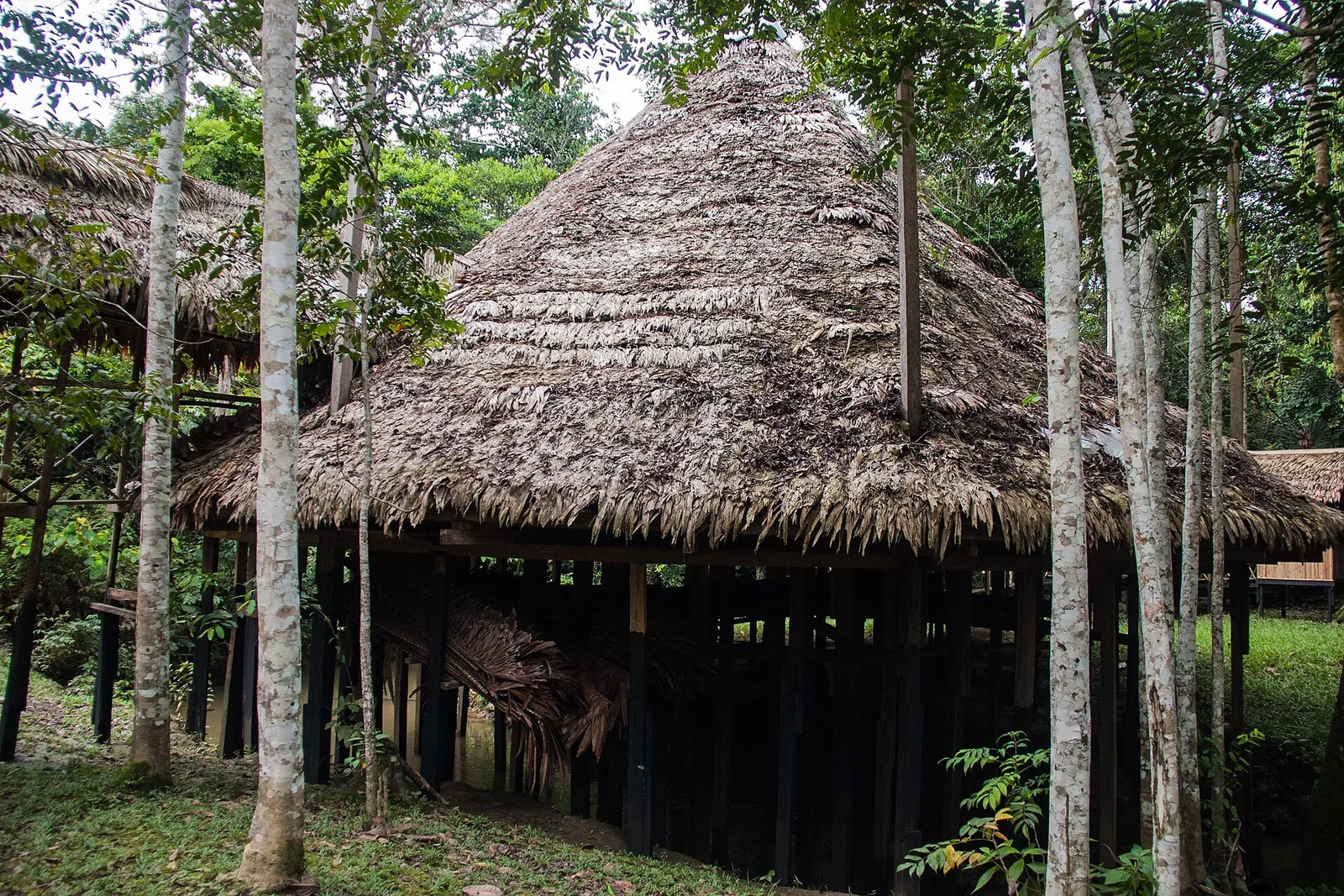
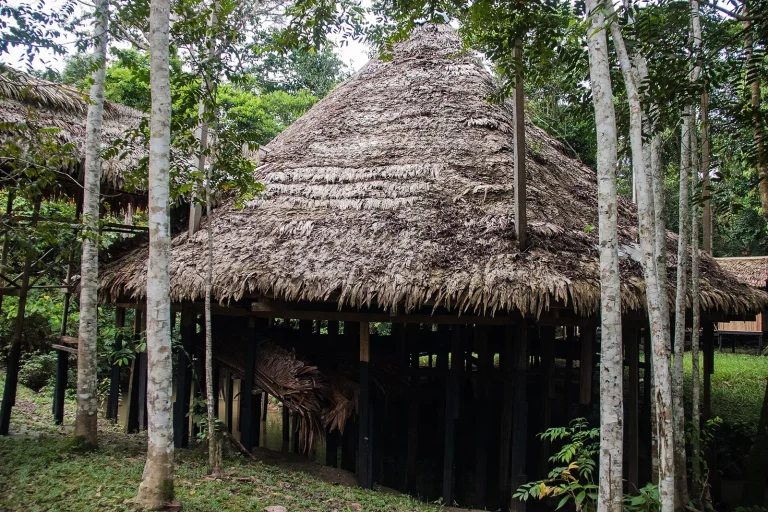
As the sun sets over the Amazon, the air fills with the earthy aroma of the jungle, mingled with the distant sounds of wildlife. This is the backdrop for many who journey to Peru in search of profound healing through ayahuasca.
Why is Ayahuasca Legal in Peru but Illegal in Indonesia?
Ayahuasca is legal in Peru primarily due to its deep-rooted significance in indigenous cultures, where it has been used for centuries in traditional healing rituals. The Peruvian government recognizes the importance of these practices and has created a framework that allows the legal use of ayahuasca within this cultural context. In contrast, Indonesia, where Bali is located, lacks a similar cultural framework, and ayahuasca is classified under narcotics laws, rendering it illegal. This stark legal difference underscores the importance of understanding local laws when considering ayahuasca experiences in different countries.
Are All Ayahuasca Centers in Peru Regulated?
Not all ayahuasca centers in Peru are regulated. While some facilities adhere to safety protocols and ethical practices, others operate without oversight, which can pose risks to participants. The Peruvian government does not have a centralized regulatory body specifically for ayahuasca, leading to a varied landscape of retreat experiences. This lack of regulation emphasizes the need for potential participants to conduct thorough research before selecting a retreat center.
How Do I Check if a Peruvian Ayahuasca Center is Reputable?
To determine if a Peruvian ayahuasca center is reputable, consider the following steps:
1. **Research Reviews and Testimonials**: Check platforms like TripAdvisor and Google Reviews for participant feedback.
2. **Inquire About Certifications**: A reputable center will have trained facilitators with experience in handling ayahuasca ceremonies. Verify their certifications and backgrounds.
3. **Ask About Safety Protocols**: Ensure that the center follows safety guidelines, including health screenings and emergency procedures.
Having this information can significantly enhance your safety and experience at the retreat.
What Questions Should I Ask Before Booking Ayahuasca in Peru?
Before booking an ayahuasca retreat in Peru, consider asking the following questions:
1. **What is the facilitator’s experience with ayahuasca ceremonies?**
2. **What health and safety measures are in place?**
3. **How many participants will be in each ceremony?**
4. **What is the retreat’s approach to integration after the experience?**
5. **Can you provide references from past participants?**
These questions can help you gauge the center’s commitment to safety and ethical practices.
Ayahuasca Laws in Peru: A Closer Look
The legal framework surrounding ayahuasca in Peru is shaped by both cultural respect and emerging tourism. The 2008 Law of Cultural Heritage recognizes ayahuasca as part of the country’s cultural identity, which allows for its legal use in traditional settings. However, as tourism increases, the need for ethical practices and safety measures within ayahuasca retreats has become paramount. Participants should stay informed about local laws and seek centers that prioritize ethical standards to enhance their experience.
Peru Ayahuasca Retreat Safety
Safety is a primary concern when participating in ayahuasca ceremonies. Many centers emphasize pre-ceremony health assessments to ensure participants do not have contraindications. It is common for reputable facilities to provide medical questionnaires that highlight any health issues or medications that may interact adversely with ayahuasca. While prices for retreats can vary, expect to pay between $150 to $400 USD (approx. IDR 2,250,000 to IDR 6,000,000) per ceremony, which often includes accommodations, meals, and integration support.
Ethical Ayahuasca Practices in Peru
Ethical considerations are vital for anyone looking to participate in an ayahuasca retreat in Peru. This includes respecting the cultural heritage of ayahuasca and ensuring that local communities benefit from the tourism generated by these retreats. Ethical centers actively engage in fair practices, including fair compensation to shamans and support for local initiatives. Participants should inquire about how the retreat contributes to the local community and if they engage in environmentally sustainable practices.
To further explore the legal status and cultural significance of ayahuasca, consider visiting resources like Wikipedia or Indonesia Travel for insights into ayahuasca laws across various countries.
For those considering a Bali ayahuasca retreat, it’s essential to understand the local legal context and safety measures. Conduct thorough due diligence before booking your experience. To plan your journey or for more information, contact the team.
The legal landscape of ayahuasca in Indonesia
In the lush paradise of Bali, the allure of spiritual awakening often draws travelers to seek transformative experiences through ayahuasca. However, it’s crucial to understand that ayahuasca ceremonies are illegal in Indonesia, where the substance DMT (dimethyltryptamine), present in ayahuasca, is classified as a Class-1 narcotic. This classification carries severe penalties, including lengthy prison sentences for possession or use of DMT. In Indonesia, the law is strictly enforced, and the consequences can be dire for those who engage in underground ceremonies.
The Indonesian Narcotics Law No. 35 of 2009 outlines the penalties for drug-related offenses, with potential sentences ranging from 4 to 12 years for possession of narcotics. This legal backdrop creates a precarious environment for seekers of ayahuasca in Bali, making due diligence and careful consideration essential when contemplating participation in any ceremony, especially those that are unregulated.
Risks and considerations of underground ceremonies
Choosing to participate in underground ayahuasca ceremonies in Bali poses significant risks, both legal and personal. Many underground practitioners operate without any oversight, which raises concerns about the quality and safety of the substances used, the experience and qualification of the facilitators, and the overall integrity of the ceremony. Without regulatory bodies enforcing safety protocols, participants may find themselves in harmful situations, both psychologically and physically.
Reports indicate that participants in these unregulated ceremonies have experienced negative psychological effects, ranging from severe anxiety to trauma, sometimes exacerbated by the uncontrolled setting. Furthermore, the lack of medical support during these ceremonies poses a risk for individuals with pre-existing health conditions. It is imperative to weigh these risks against the potential benefits and to seek out reputable centers that prioritize safety and ethical practices.
Alternative therapies: what is legal in Bali?
While ayahuasca retreats remain illegal, Bali offers a myriad of alternative therapies that promote healing and self-discovery. Breathwork, meditation, and sound healing are all legal practices that many wellness centers incorporate into their offerings. These modalities aim to create transformative experiences without the legal implications associated with psychedelic substances. For example, guided breathwork sessions can cost anywhere from $30 to $100 per session, depending on the provider and the length of the experience.
Additionally, kambo, a traditional Amazonian frog medicine known for its purgative effects, is gaining popularity in Bali. However, while kambo is not classified as a narcotic, it is essential to approach this practice with caution and ensure that the facilitator operates ethically and safely. Always seek out centers with positive reviews and thorough safety protocols to ensure a responsible experience in your quest for holistic healing.
Planning specifics? See bali ayahuasca retreat booking or bali ayahuasca retreat.
Keep Reading

Uncategorized
The Big Myth About Bali Airport Fast Track That Can Ruin Your First Night At A Retreat
Many retreat guests assume Bali airport fast track is a magic VIP lane that legally jumps immigration for anyone who…
Uncategorized
Planning a Luxury Labuan Bajo Escape in 2027 (Part 7)
As you plan your luxury escape to Labuan Bajo in 2027, consider the breathtaking natural beauty, exquisite accommodations, and unforgettable…
Uncategorized
Beyond Bali: Add Komodo to Your Indonesia Trip 2026
If you’re planning a phenomenal Indonesian getaway in 2026, don’t overlook the breathtaking Komodo National Park. This UNESCO World Heritage…