TIMING
Best Time for a Bali Ayahuasca Retreat: Insider Guide
Seasons in Bali, what is legal on the island year-round, and where ayahuasca is practiced within the law abroad.
In short
Ayahuasca retreats in Bali are illegal due to Indonesia's strict narcotics laws, which classify DMT as a Class-1 narcotic. Travelers seeking alternative wellness practices may consider legal options such as breathwork and sound healing. Ensure to evaluate any claims regarding ayahuasca retreats critically.
As the sun rises over Bali, the air fills with the scent of frangipani and incense, a backdrop that invites contemplation. Yet, beneath this tranquil surface lies a complex legal landscape regarding ayahuasca ceremonies.
Understanding the Legal Framework of Ayahuasca in Bali
In Indonesia, ayahuasca is classified under the Narcotics Law No. 35 of 2009, which categorizes DMT (the primary psychoactive compound in ayahuasca) as a Class-1 narcotic. This means that any possession, distribution, or ceremonial use of ayahuasca is strictly illegal and punishable by severe penalties, including lengthy prison sentences. Despite Bali’s reputation as a wellness destination, engaging in ayahuasca ceremonies can lead to legal complications.
The Indonesian government maintains a zero-tolerance policy toward drugs, which encompasses all forms of DMT. This law is enforced rigorously; in 2020, for example, Bali police reported over 900 drug-related arrests, emphasizing the seriousness with which these laws are treated. Wellness travelers should be aware that while ayahuasca retreats may market themselves as spiritual experiences, they operate in direct violation of local laws.
Risks of Underground Ayahuasca Ceremonies
While a number of underground ayahuasca ceremonies continue to operate in Bali, participating in these can pose significant risks. These events often lack oversight, raising concerns over the safety, ethical practices, and the quality of the ayahuasca used. Reports of health complications, including psychological distress and physical ailments, have surfaced among participants in unregulated settings.
Moreover, the risk of arrest cannot be overstated. In 2018, a group of foreign nationals was arrested during an illegal ayahuasca ceremony, facing hefty fines and possible imprisonment. Engaging in underground ceremonies exposes travelers not only to legal ramifications but also to potential health risks associated with untested substances and inexperienced facilitators.
Evaluating Claims: How to Ensure Safety and Legitimacy
For wellness travelers, evaluating the legitimacy of claims surrounding ayahuasca retreats is crucial. Here are key factors to consider:
- Legal Status: Always research the legal status of any substance involved. For ayahuasca in Indonesia, the answer is a clear no.
- Facilitator Credentials: Assess the qualifications and experience of facilitators. Look for certifications in psychotherapeutic practices or extensive experience in indigenous traditions.
- Reviews and Testimonials: Seek out unbiased reviews from previous participants. Websites such as TripAdvisor or wellness forums can provide insights into the retreat’s operations and reputation.
- Transparency: Legitimate retreats should provide clear information on their practices, the ingredients used in ayahuasca, and the potential risks involved.
- Health and Safety Protocols: Inquire about the health and safety protocols in place. Reputable retreats should have measures to ensure participant safety, including pre-ceremony screenings.
Exploring Legal Alternatives in Bali
Travelers interested in spiritual wellness can find several legal alternatives in Bali. Practices such as breathwork, meditation, and sound healing are not only permitted but are thriving within the island’s wellness community.
Breathwork, for instance, is a practice that focuses on controlled breathing techniques to enhance mental clarity and emotional release. Various retreats offer structured programs that incorporate breathwork alongside yoga and meditation. Prices for these retreats typically range from IDR 2,500,000 to IDR 5,000,000 (approximately $170 to $340) per week, depending on the amenities offered.
Sound healing, utilizing instruments like Tibetan singing bowls or gongs, is another popular therapeutic approach. These sessions aim to create a meditative state, promoting relaxation and emotional healing.
Additionally, kambo ceremonies, which involve the application of frog secretion for purported detoxification effects, are also legal in Bali. Participants should, however, conduct thorough research and consult medical professionals prior to engaging in any of these practices.
Comparative Legal Context: Ayahuasca Abroad
For those determined to experience ayahuasca, several countries offer legal frameworks that support its ceremonial use. Peru, for example, is renowned for its ayahuasca retreats, particularly in the Amazon region. The country's legal stance allows for traditional practices involving ayahuasca, provided they take place within a culturally respectful framework. This includes certified retreats, which can be located near Iquitos or Cusco.
Costa Rica also permits ayahuasca ceremonies, with a growing number of reputable retreats offering structured programs. In these retreats, facilitators are often trained in traditional practices, and they maintain a focus on safety and participant well-being.
In the Netherlands, ayahuasca is legal under certain conditions. Facilitators must adhere to specific guidelines, allowing for a regulated environment where participants can experience the substance safely.
Due Diligence Checklists for Reputable Ayahuasca Retreats Abroad
When considering a retreat abroad, due diligence is essential. Here are some criteria to help evaluate potential retreats:
- Legal Compliance: Verify that the retreat operates legally within its country.
- Facilitator Qualifications: Check for certifications and relevant experience of the facilitators.
- Participant Reviews: Research testimonials from previous attendees to gauge the effectiveness and safety of the retreat.
- Health and Safety Standards: Inquire about medical screenings and emergency protocols.
- Transparency of Practices: Ensure that the retreat provides clear information about the substances used and the ceremony structure.
By following these guidelines, travelers can navigate the complexities of ayahuasca retreats and ensure a safe and fulfilling experience.
Best Seasons for Wellness Retreats in Bali
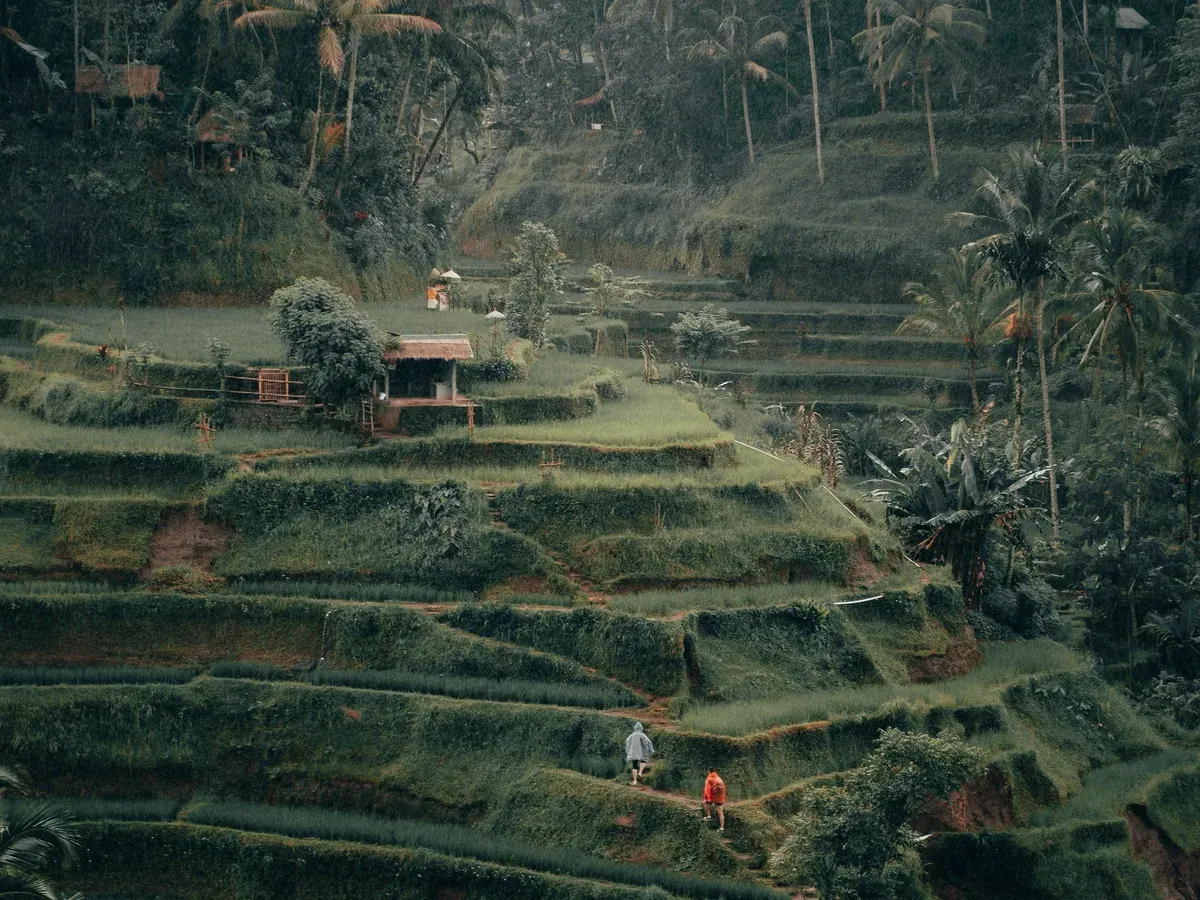
The timing of your visit to Bali can significantly influence your wellness retreat experience. The island has two primary seasons: the dry season (April to October) and the rainy season (November to March).
The dry season is typically more popular among wellness travelers and coincides with the peak tourist season. During this time, the weather is generally sunny and conducive to outdoor activities, including yoga and meditation sessions. However, because of the influx of tourists, some retreats may be busier, which could affect the overall experience.
Conversely, the rainy season sees fewer tourists. While occasional downpours can occur, the rain often comes in short bursts, leaving ample time for outdoor practices. Additionally, retreat prices may be lower during this season, making it an attractive option for budget-conscious travelers.
In particular, the months of April and October offer a sweet spot, presenting transitional weather and fewer crowds, ideal for those seeking a serene environment for their wellness journey.
As you contemplate your journey into wellness, remember to prioritize legal and safe practices. Whether you explore the vibrant meditation centers or engage in breathwork sessions, Bali offers myriad opportunities for rejuvenation and self-discovery. For more insights into wellness practices available on the island, visit our homepage at baliayahuascaretreat.com.
See What's Actually Legal in Bali
Breathwork, meditation and sound healing are legal and widely available across the island — read the full comparison.