- Ayahuasca ceremonies are illegal in Bali and Indonesia.
- Underground ceremonies pose significant health and legal risks.
- Legal alternatives in Bali include breathwork, meditation, and sound healing.
As you step into the verdant landscapes of Bali, the air thick with the scent of frangipani and the distant sound of roosters crowing, you might find yourself contemplating the potential for transformation through an ayahuasca retreat. The allure of this ancient Amazonian brew is palpable, promising profound insights and healing. However, the reality of participating in such a retreat in Bali is layered with complexities, particularly concerning legality and safety. Understanding the best time for a Bali ayahuasca retreat isn’t just about timing your visit; it’s also about navigating the intricate legal landscape surrounding the practice.
Understanding the Legal Landscape of Ayahuasca in Bali
In Indonesia, ayahuasca is considered a Class-1 narcotic under the country’s drug laws. This classification renders the brew illegal, as it contains DMT (dimethyltryptamine), a powerful psychoactive substance. The Indonesian government’s stance on drug enforcement is stringent, with severe penalties for possession, trafficking, or use of classified narcotics. According to law enforcement statistics, drug-related offenses in Bali can lead to lengthy prison sentences or hefty fines, making the pursuit of ayahuasca here fraught with risk.
Despite the legal framework, the demand for ayahuasca experiences has led to the emergence of underground ceremonies. These clandestine gatherings often lack the oversight and safety measures found in reputable retreats abroad, increasing the potential for harm. Participants in these events may encounter unqualified facilitators, unsafe environments, or contaminated substances, raising significant safety concerns.
For those seeking healing or spiritual growth in Bali, exploring legal alternatives is essential. Breathwork, meditation, and sound healing are popular and legally practiced modalities that can provide transformative experiences without the associated risks of illegal ayahuasca ceremonies.
Evaluating Underground Ceremonies: Risks and Realities
If you are considering an underground ayahuasca ceremony in Bali, it is crucial to evaluate the risks involved critically. Many retreat centers that operate outside the law may not adhere to safety standards or ethical practices. The absence of regulatory oversight means that there are no guarantees regarding the quality of the experience, the substances used, or the qualifications of the facilitators.
Anecdotal evidence suggests that participants in underground ceremonies have faced various negative outcomes, from psychological distress to physical health issues. Reports of adverse reactions to ayahuasca, including nausea, vomiting, and psychological trauma, have been documented.
What is Legal in Bali? Alternatives to Ayahuasca
While ayahuasca remains illegal in Bali, numerous legal options provide similar benefits without the associated risks. Many wellness centers across the island offer programs focusing on breathwork, meditation, and sound healing. These practices can facilitate deep introspection and emotional release, often leading to transformative insights.
Breathwork, for example, has gained popularity for its ability to induce altered states of consciousness naturally. Techniques such as Holotropic Breathwork or Transformational Breath can promote emotional healing and clarity. Meditation retreats, often set in serene environments, provide a space for mindfulness and self-discovery.
Sound healing, utilizing instruments like Tibetan singing bowls or gongs, is another avenue for exploring consciousness and well-being. Practitioners believe that sound vibrations can facilitate emotional release and energetic alignment, providing a unique, healing experience.
For those interested in alternative healing practices, Bali offers a wealth of options that respect the local legal framework while promoting personal growth.
Where is Ayahuasca Legally Practiced Abroad?
For individuals determined to experience ayahuasca, several countries legally permit its use within ceremonial contexts. Peru is renowned for its ayahuasca retreats, particularly in the Amazon region. The country has a rich cultural history surrounding the brew, with many reputable retreat centers offering guided ceremonies led by experienced shamans.
Costa Rica has also emerged as a popular destination for legal ayahuasca retreats, providing a variety of options in lush, natural settings. These centers typically prioritize participant safety and integration support, making them a compelling choice for those seeking authentic experiences.
In Europe, the Netherlands stands out as another destination where ayahuasca ceremonies are legally conducted. Specific retreat centers offer structured programs that emphasize safety, legality, and ethical practices.
Regardless of the location, due diligence is essential when selecting an ayahuasca retreat abroad. Consider the following checklist to ensure a positive experience:
– **Reputation:** Research the retreat’s history and read reviews from past participants.
– **Facilitator Experience:** Verify the credentials and experience of the facilitators.
– **Safety Protocols:** Inquire about health screenings and emergency procedures.
– **Integration Support:** Understand the aftercare available to participants post-ceremony.
The Importance of Due Diligence: Finding Reputable Retreats
When considering a retreat, thorough research is crucial. The rise of ayahuasca tourism has led to an influx of retreat centers, not all of which maintain high standards of practice. Selecting a reputable retreat is vital for ensuring a safe and transformative experience.
Begin by seeking recommendations from trusted sources and individuals who have attended retreats. Online forums and social media groups dedicated to ayahuasca experiences can provide insights and feedback. Pay attention to the center’s approach to safety, including health screenings and participant support.
Look for transparency in the retreat’s operations. A reputable center should clearly outline its practices, including the sourcing and preparation of ayahuasca, the qualifications of facilitators, and the structure of ceremonies. Additionally, centers that emphasize integration and aftercare can significantly enhance the participant’s experience, helping to process insights gained during ceremonies.
Regularly check for any changes in legal status or regulations concerning ayahuasca in your chosen destination. Laws can evolve, and staying informed is crucial for making educated decisions.
Quick FAQ
Is ayahuasca legal in Bali?
No, ayahuasca is illegal in Bali as it contains DMT, classified as a Class-1 narcotic in Indonesia.
What are the risks of attending underground ayahuasca ceremonies?
Underground ceremonies can pose health risks, lack safety measures, and involve unqualified facilitators, leading to negative experiences.
What alternatives to ayahuasca are legal in Bali?
Breathwork, meditation, and sound healing are popular legal alternatives that promote personal growth and healing.
Where can I legally practice ayahuasca abroad?
Legally, ayahuasca can be practiced in countries like Peru, Costa Rica, and the Netherlands, where reputable retreats are available.
In navigating the complexities of ayahuasca in Bali, understanding the legal implications and exploring safe alternatives is paramount. While the island’s enchanting landscapes and rich spiritual culture may beckon you toward an ayahuasca experience, prioritizing safety and legality is essential for a transformative journey. For those ready to explore, consider the myriad of legal practices available on the island that align with your quest for healing and insight.
For more information and resources on ayahuasca retreats, visit the [Bali Ayahuasca Retreat Guide](https://baliayahuascaretreatguide.com/home).
Planning specifics? See Bali Ayahuasca Retreat Guide or baliayahuascaretreat pillar2.
Keep Reading

Uncategorized
The Big Myth About Bali Airport Fast Track That Can Ruin Your First Night At A Retreat
Many retreat guests assume Bali airport fast track is a magic VIP lane that legally jumps immigration for anyone who…
Uncategorized
Planning a Luxury Labuan Bajo Escape in 2027 (Part 7)
As you plan your luxury escape to Labuan Bajo in 2027, consider the breathtaking natural beauty, exquisite accommodations, and unforgettable…
Uncategorized
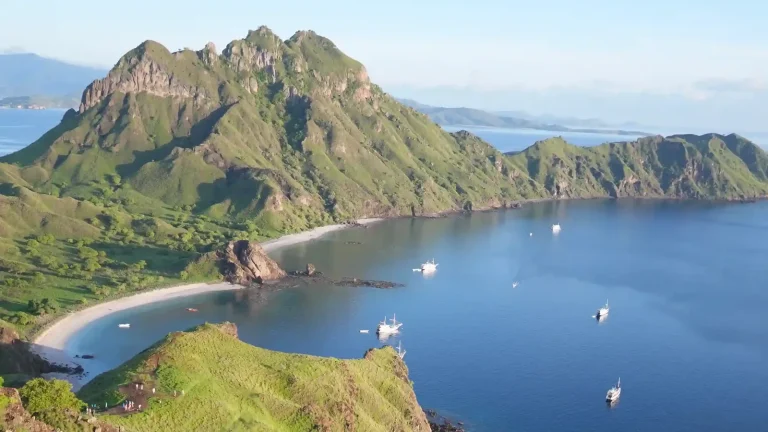
Beyond Bali: Add Komodo to Your Indonesia Trip 2026
If you’re planning a phenomenal Indonesian getaway in 2026, don’t overlook the breathtaking Komodo National Park. This UNESCO World Heritage…