
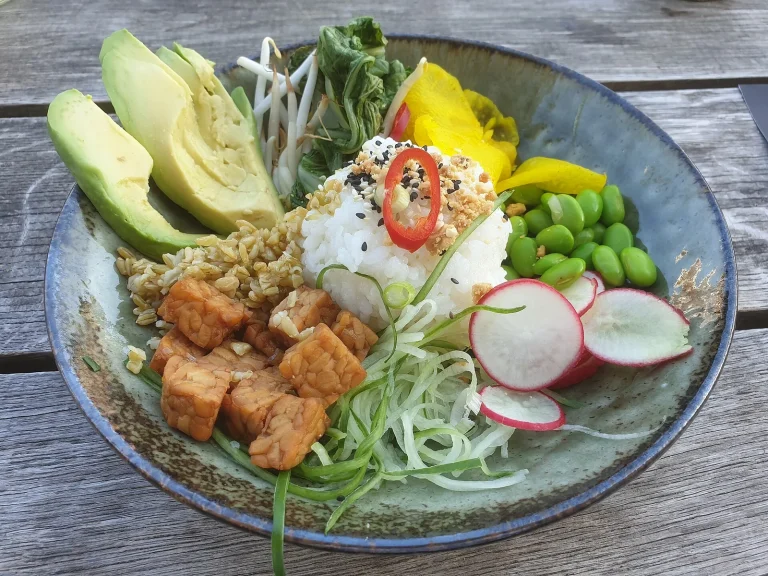
Ayahuasca and Mindful Eating: Harmonising Diet and Spiritual Practice
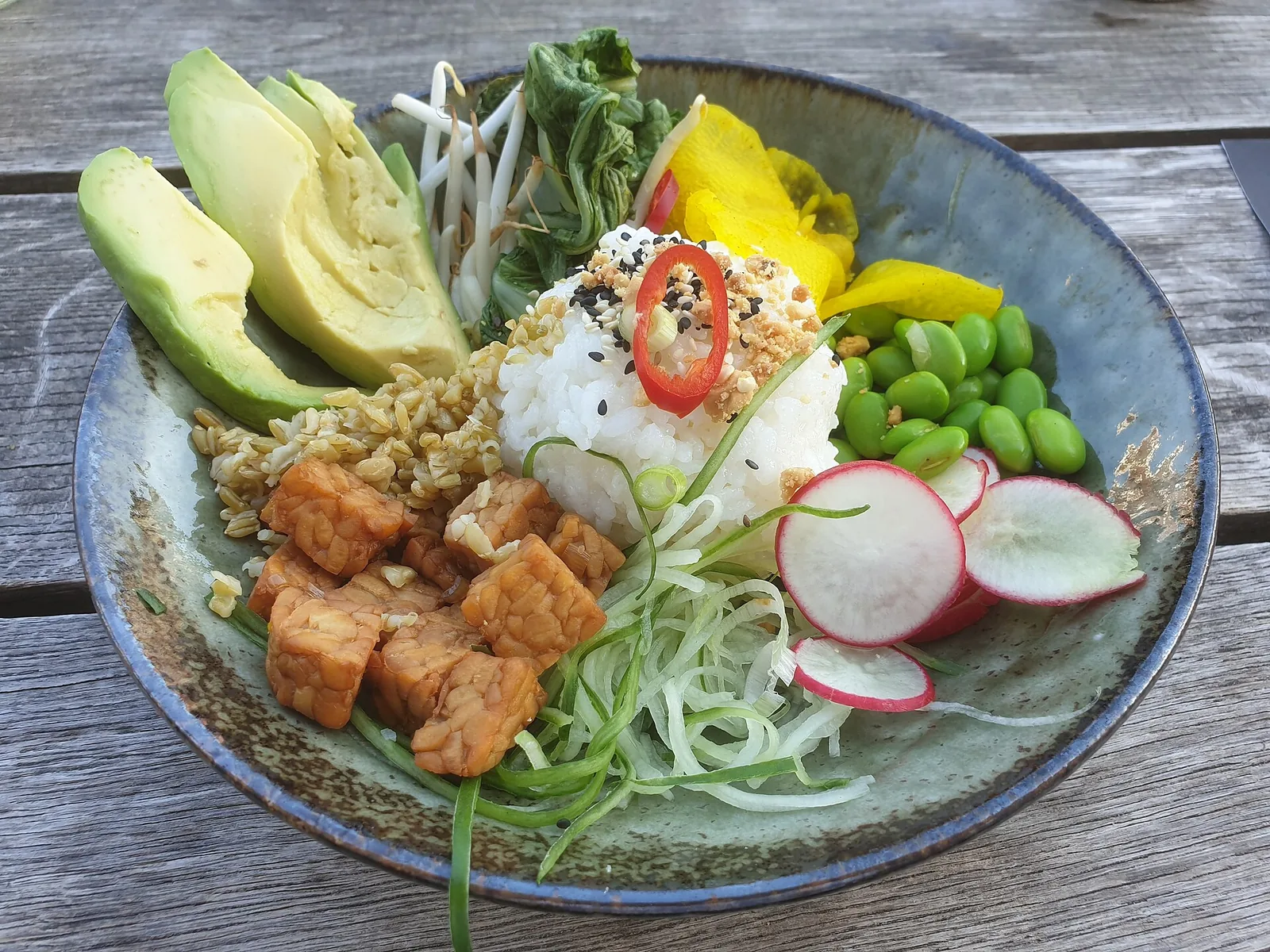
Combining ayahuasca with mindful eating promotes holistic wellbeing, enhancing spiritual and physical health through conscious dietary choices aligned with retreat goals.
Ayahuasca Mindful Eating
The practice of mindful eating during ayahuasca retreats is an integral part of the transformative journey. By fostering awareness and intentionality with food, participants can deepen their spiritual experiences and promote overall wellbeing. This approach is not just about what you eat, but how you engage with food as a spiritual practice. Engaging with each meal with full attention, participants learn to savour each bite, enhancing their sensory experiences and cultivating a deeper connection to the spiritual process. This mindfulness extends to understanding the source of the food, its nutritional content, and its energetic influences, all of which can significantly impact one’s journey with ayahuasca.
Conscious Eating Ayahuasca
Conscious eating is about developing an awareness of the food we consume, its origin, and its impact on our bodies and minds. In the context of ayahuasca retreats, this practice is elevated to a spiritual discipline, encouraging participants to align their diet with their spiritual goals. This involves selecting foods that support the ayahuasca experience and avoiding those that might counteract its effects. Foods that are typically encouraged include fresh fruits, vegetables, whole grains, and legumes, which are believed to purify the body and enhance the receptivity to the spiritual teachings of ayahuasca. On the other hand, foods high in tyramine, such as aged cheeses and fermented products, are generally avoided due to potential interactions with the MAO inhibitors present in ayahuasca.
Ayahuasca Diet Practices
Ayahuasca diet practices traditionally focus on purity and simplicity. Participants are often encouraged to follow a diet low in salt, sugar, and fat, while avoiding processed foods, caffeine, alcohol, and red meat. This dietary regimen helps to cleanse the body and prepare the mind for the deep spiritual work facilitated by ayahuasca. The preparation phase, which can last from one to four weeks before the ceremony, is crucial and involves detoxifying the body to enhance the ayahuasca experience. This period of abstention also includes refraining from sexual activities, which is believed to help conserve personal energy and focus on the spiritual journey.
How do ayahuasca retreats incorporate mindful eating practices?
Ayahuasca retreats incorporate mindful eating practices by guiding participants to consume food with intention and awareness, often through structured meals that emphasise simplicity and purity, enhancing the spiritual connection during the retreat. Meals are typically shared in a communal setting, fostering a sense of community and shared purpose. Participants are encouraged to eat slowly, chew thoroughly, and focus on the textures and flavours of the food, all of which can enhance the meditative aspect of the meal. Retreats may also offer workshops on mindful eating techniques, teaching participants how to incorporate these practices into their daily lives.
Benefits of Mindful Eating with Ayahuasca
- Enhanced Spiritual Connection: Mindful eating can intensify the spiritual revelations experienced during ayahuasca ceremonies. By maintaining a diet that is free from distractions and stimulants, participants often find it easier to enter a state of deep meditation and reflection.
- Improved Physical Health: A diet aligned with ayahuasca practices supports detoxification and overall vitality. The focus on whole, unprocessed foods aids in reducing inflammation and enhancing digestive health, which is crucial for the body’s ability to process the ayahuasca brew effectively.
- Emotional Balance: Conscious dietary choices can lead to greater emotional stability and clarity. By avoiding foods that can lead to mood swings or energy crashes, participants often experience a more balanced emotional state, which is beneficial for processing the insights gained during the retreat.
- Heightened Awareness: Mindful eating fosters a deeper awareness of the self and one’s relationship with food. This practice encourages participants to reflect on their eating habits and how these habits affect their mental and physical states, promoting lasting changes in lifestyle and perspective.
For those interested in exploring where ayahuasca is legally practiced worldwide, our detailed guide provides invaluable insights into legal ayahuasca locations and considerations.
2027 Note: A Contemporary Approach
In 2027, the integration of mindful eating with ayahuasca retreats reflects a broader societal shift towards holistic health and consciousness. As awareness grows, more individuals are seeking retreats that offer comprehensive approaches to spiritual and physical wellbeing, underpinned by practices like mindful eating. This trend is part of a larger movement towards sustainable living and conscious consumption, where individuals are increasingly aware of the environmental and social impacts of their dietary choices. Retreats that offer farm-to-table dining experiences or organic and locally sourced ingredients are particularly appealing to those who wish to align their spiritual practices with their environmental values.
FAQ
What foods should be avoided before an ayahuasca retreat?
Before an ayahuasca retreat, it is recommended to avoid foods high in tyramine, such as aged cheeses, cured meats, and certain nuts, as well as alcohol, caffeine, and processed foods. These substances can interfere with the ayahuasca experience and may lead to adverse reactions. Additionally, participants are advised to avoid spicy foods and excessive salt, which can disrupt the body’s energy balance.
How does mindful eating affect the ayahuasca experience?
Mindful eating enhances the ayahuasca experience by fostering a clear and open state of mind, which can lead to deeper insights and a more profound spiritual journey. By focusing on the nourishment and energy provided by food, participants can enter ceremonies with a sense of clarity and purpose, which can enhance the overall experience.
Can mindful eating continue after the retreat?
Yes, many participants find that the practice of mindful eating cultivated during the retreat enriches their daily lives, promoting ongoing physical health and spiritual awareness. By continuing to make conscious food choices, individuals can sustain the benefits of their ayahuasca experiences and maintain a balanced and mindful approach to eating long after the retreat has ended.
Keep Reading

Travel Journal
Ayahuasca Psychedelic Research 2027: Exploring New Frontiers
Ayahuasca psychedelic research 2027 highlights significant advancements in understanding its therapeutic potential, biochemical mechanisms, and societal impact. Ayahuasca Psychedelic Research…

Travel Journal
Exploring the Synergies of Ayahuasca Meditation Retreats in 2027
Ayahuasca meditation retreats offer a unique blend of traditional plant medicine ceremonies and mindfulness practices, enhancing emotional healing and self-awareness.…

Travel Journal
Ayahuasca Retreats and the Global Wellness Movement
Ayahuasca retreats are increasingly aligning with the global wellness movement by offering transformative experiences that promote mental, emotional, and spiritual…