Kambo in Bali and Indonesia: Legal Grey Areas, Risks and Ethical Questions
– Kambo is commonly practiced in ceremonial settings in Bali.
– The legality of kambo varies widely from region to region in Indonesia.
– Ethical questions arise regarding the sourcing and sustainability of the frog species used.
The air in Bali is thick with anticipation, as the earthy scent of the island mingles with the aromatic herbs used in ancient healing rituals. Among these practices, kambo ceremonies have gained traction, but the complexity of its legal status adds a layer of intrigue.
Is kambo legal in Bali and the rest of Indonesia?
Kambo’s legal status in Bali and Indonesia is not straightforward. While the substance itself is not classified as a narcotic under Indonesian law, its use in ceremonies often places it in a grey area. In Bali, practitioners frequently hold kambo ceremonies in wellness retreats, yet there is no formal regulatory framework that outlines the legalities of its use. Compared to other countries like Peru and Costa Rica, where kambo is more widely accepted, Indonesia’s stance remains uncertain. The lack of specific legislation could lead to local officials taking various approaches to enforcement, complicating the landscape for both practitioners and participants.
What are the medical risks of kambo ceremonies?
Kambo ceremonies can pose several medical risks, particularly for individuals with pre-existing health conditions. Common side effects include nausea, vomiting, and intense physical purging, which are often seen as part of the cleansing process. More severe risks involve allergic reactions and cardiovascular issues, especially for those with heart problems or hypertension. It is recommended that individuals consult with a healthcare professional before participating in a kambo ceremony. In some cases, these risks can be exacerbated by the environment of a retreat, where participants may be unmonitored.
Is kambo safer than ayahuasca for travelers?
When comparing kambo and ayahuasca, the safety of either substance largely depends on individual health conditions and the context of their use. Kambo is often considered to carry fewer psychological risks compared to ayahuasca, which can induce intense psychological experiences. However, the physical effects of kambo, such as purging and potential allergic reactions, can be severe. Ayahuasca, on the other hand, may lead to long-lasting psychological insights but also poses risks with its hallucinogenic properties. Ultimately, safety is subjective and varies depending on personal health and the quality of the ceremony.
Can I bring kambo sticks through Indonesian customs?
Bringing kambo sticks through Indonesian customs is not explicitly addressed in customs regulations, leading to uncertainty among travelers. While kambo is not classified as a controlled substance, customs officials may still scrutinize any biological materials. To avoid complications, it is advisable to refrain from carrying kambo sticks or any related products without proper documentation or permits. Always check the latest customs regulations before traveling, as policies can change frequently, and local officials may have varying interpretations.
Comparative Legal Status of Kambo in Other Countries
Kambo’s legal status varies globally, with notable differences in how it is perceived and regulated. In Peru, kambo is widely accepted and often integrated into traditional healing practices, with some regulations in place to ensure ethical sourcing. In contrast, countries like the Netherlands have a more open stance towards alternative medicines, including kambo. In Bali, the absence of clear regulations means that practitioners operate in a relatively ambiguous legal environment. Travelers should be aware of these differences and consider them when planning their experiences.
Ethical Questions Surrounding Kambo
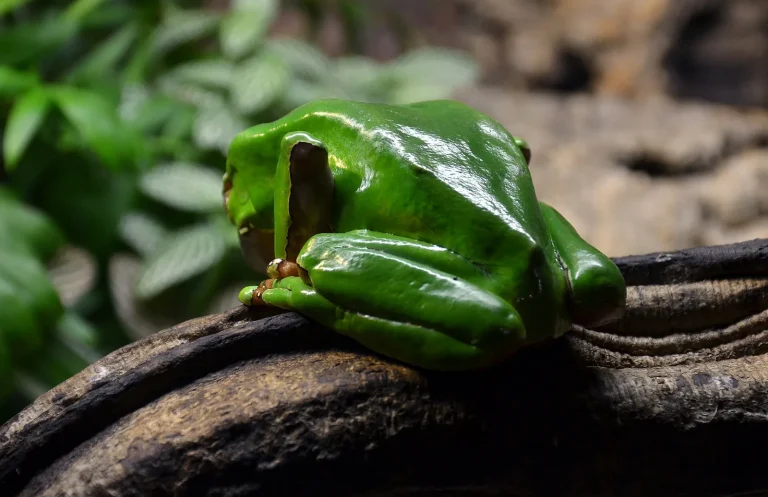
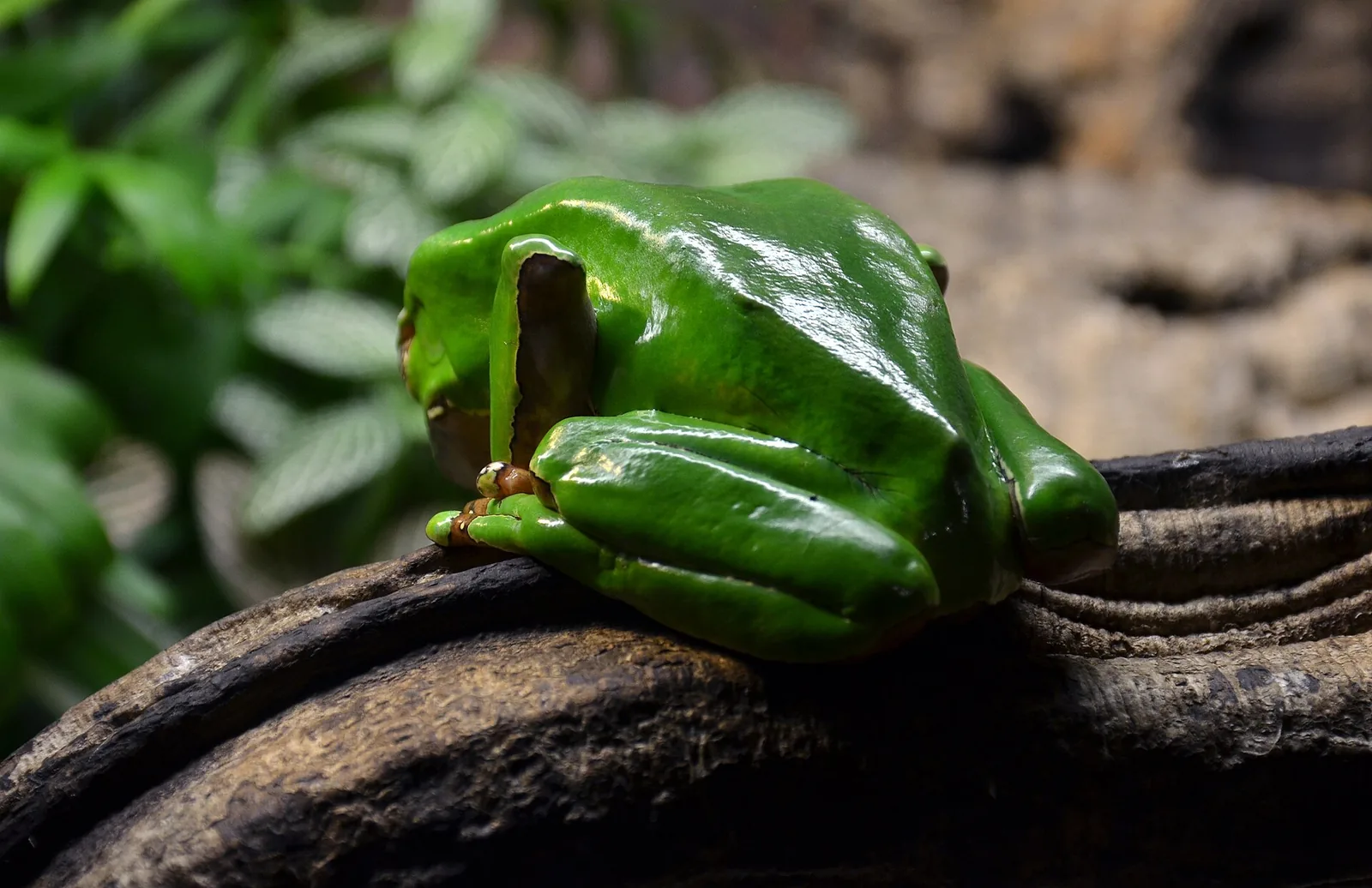
The ethical considerations surrounding kambo ceremonies extend beyond legality into the realm of sustainability and animal welfare. The extraction of kambo from the Phyllomedusa bicolor frog can lead to population decline if not conducted responsibly. Ethical practitioners often advocate for sustainable methods, ensuring that the frogs are not harmed and that their habitats are preserved. Participants in kambo ceremonies should inquire about the sourcing practices of the substances used to mitigate ecological impact and support ethical practices in the field.
For more information on the cultural significance of traditional medicines, you can explore resources on [Wikipedia](https://en.wikipedia.org/wiki/Kambo) and [Indonesia Travel](https://indonesia.travel/).
For those interested in further exploring ayahuasca experiences or retreats, visit our [homepage](/) and read about our [Bali Ayahuasca Retreat](/) options.
To plan your next journey into healing practices or to ask about specific retreats, feel free to [contact the team](/contact/).
Understanding the legal landscape of ayahuasca in Indonesia
The dense jungles of Indonesia are home to various indigenous healing practices, but the legal climate surrounding ayahuasca is fraught with challenges. As of now, ayahuasca ceremonies are explicitly illegal in Indonesia due to the presence of DMT, which is classified as a Class-1 narcotic under Indonesian law. This classification makes any ritual involving ayahuasca not only illegal but also punishable by severe penalties, including imprisonment. The Indonesian Narcotics Law, enacted in 1976, categorically bans the use of substances like DMT, and this includes the brew made from the Banisteriopsis caapi vine and various other plants.
The repercussions of participating in illegal ayahuasca ceremonies can be dire. Foreigners caught in such situations risk deportation and legal action, while local practitioners may face imprisonment. This harsh reality prompts many to seek alternatives in places where ayahuasca is legally practiced, such as Peru or Costa Rica, where regulations around its use are more permissive, often rooted in cultural traditions. Understanding these laws is crucial for anyone considering a journey into the realm of ayahuasca in Indonesia.
Evaluating underground ceremonies: risks and considerations
Venturing into underground ayahuasca ceremonies in Bali poses significant risks that extend beyond legal ramifications. The lack of regulation means that the quality and safety of the ceremonies can vary widely. Participants often find themselves in situations where the expertise of the facilitator is questionable, leading to potentially dangerous experiences. There is also the risk of consuming substances that may be adulterated or improperly prepared, which can result in severe physical or psychological distress.
Moreover, the clandestine nature of these ceremonies creates an environment ripe for exploitation. Participants may be charged exorbitant fees, sometimes reaching upwards of $300 per session, without any assurance of legitimate healing practices. To safeguard against these risks, it is essential to conduct thorough research. Look for testimonials from credible sources and ensure that any facilitator has a verifiable track record in the field of shamanic healing. Engaging in these underground practices can lead to not only personal harm but also contribute to the perpetuation of unethical practices.
What is legal in Bali? Exploring alternative healing methods
While ayahuasca remains illegal in Indonesia, many alternative healing practices thrive in Bali, offering holistic approaches to wellness. Breathwork, meditation, and sound healing are not only legal but also widely embraced as effective methods for personal development and healing. These practices are often incorporated into wellness retreats, attracting participants seeking clarity and rejuvenation without the risks associated with illegal substances.
Breathwork, for instance, has seen a surge in popularity, with numerous workshops available throughout Bali. Classes range from one-time sessions to multi-day immersions, typically priced between $50 to $200. Sound healing, utilizing instruments like singing bowls and gongs, is another avenue for those interested in exploring altered states of consciousness safely. These sessions can often be found in serene settings that enhance the therapeutic experience, providing individuals with tools for self-exploration without the legal complications tied to ayahuasca.
Planning specifics? See full pricing guide or see current rates.
Keep Reading

Uncategorized
The Big Myth About Bali Airport Fast Track That Can Ruin Your First Night At A Retreat
Many retreat guests assume Bali airport fast track is a magic VIP lane that legally jumps immigration for anyone who…
Uncategorized
Planning a Luxury Labuan Bajo Escape in 2027 (Part 7)
As you plan your luxury escape to Labuan Bajo in 2027, consider the breathtaking natural beauty, exquisite accommodations, and unforgettable…
Uncategorized
Beyond Bali: Add Komodo to Your Indonesia Trip 2026
If you’re planning a phenomenal Indonesian getaway in 2026, don’t overlook the breathtaking Komodo National Park. This UNESCO World Heritage…