COMPARISON
Bali Ayahuasca Retreat Comparison & Alternatives
How underground ceremonies compare with the legal practices available in Bali and regulated retreats abroad.
In short
Bali ayahuasca retreats are illegal due to Indonesia’s strict narcotics laws. DMT, the active compound in ayahuasca, is classified as a Class-1 narcotic. Wellness travelers should explore alternative therapies like breathwork and meditation, which are legal and widely available.
The air in Bali is thick with the scent of incense and the distant sound of chanting. For many, the island represents a spiritual sanctuary. But a rising trend among wellness travelers is the search for ayahuasca retreats, often marketed as profound healing experiences. However, the reality of the legal landscape regarding ayahuasca in Bali reveals a stark contrast to expectations.
Understanding the Legal Status of Ayahuasca in Bali
In Indonesia, both the possession and use of ayahuasca is illegal. The country classifies DMT, the psychoactive ingredient in ayahuasca, as a Class-1 narcotic under Law No. 35 of 2009 on Narcotics. This classification places DMT alongside drugs such as heroin and cocaine, carrying severe penalties for possession and trafficking, including lengthy prison sentences and hefty fines.
As of 2023, the Indonesian government has not made exceptions for indigenous practices involving ayahuasca, which remains a controversial topic. Despite the rising popularity of ayahuasca retreats, participating in such ceremonies in Bali can lead to significant legal repercussions. The risks extend beyond legal penalties; they also encompass safety concerns, as many underground ceremonies operate without any regulation or oversight.
The Risks of Underground Ayahuasca Ceremonies
Without legal oversight, underground ayahuasca ceremonies in Bali pose numerous risks. Many unregulated facilitators lack the necessary training or experience to safely guide participants through such intense experiences. Reports of adverse reactions, including psychological distress and physical health issues, are not uncommon in these settings.
Furthermore, there is a lack of accountability. Participants may find themselves in unsafe environments, where hygiene standards are compromised and emergency medical assistance is unavailable. The absence of licensing or certification means that anyone can claim to be a qualified shaman, making it crucial for potential attendees to evaluate claims carefully.
Those considering an ayahuasca experience in Bali should weigh the legal and personal risks heavily. Reliable information is scarce, and many participants report feeling misled about the safety and legality of the experience they signed up for.
Evaluating Claims: What to Look For
When researching ayahuasca retreats, it’s essential to scrutinize the claims made by facilitators. Fundamental questions should include: What qualifications do the facilitators hold? Is there a transparent process for sourcing ayahuasca? Are health screenings conducted prior to participation?
Look for retreat centers that provide clear information on their practices and adhere to ethical guidelines. Transparency regarding the origins of ayahuasca and the experience level of the facilitators is critical. Additionally, testimonials from past participants can offer insights, but they should be approached with caution, as they may not always reflect the broader experience.
Consider seeking out community feedback on platforms like forums and review sites. Engaging with individuals who have firsthand experience can provide a more balanced perspective than marketing materials alone.
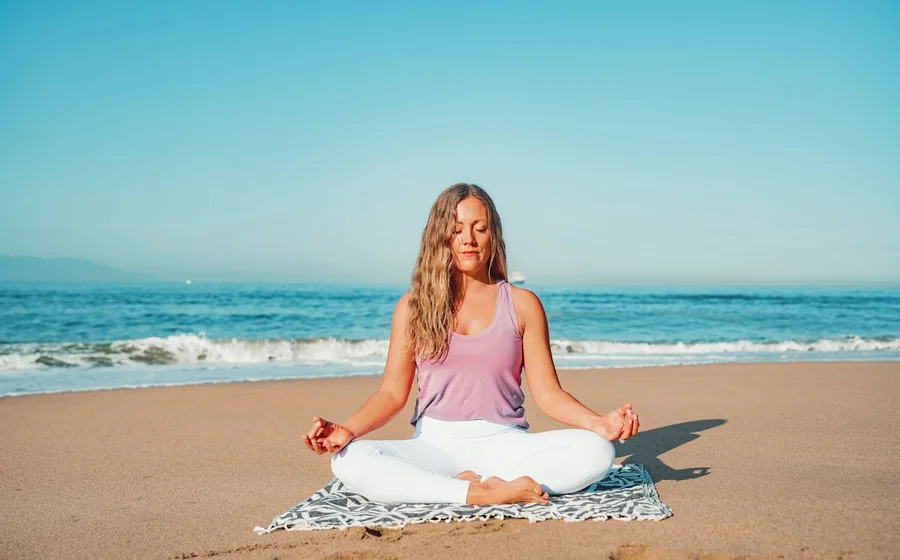
Legal and Safe Alternatives in Bali: Breathwork and Meditation
For those seeking spiritual and emotional healing in Bali without legal risks, numerous alternatives exist. Breathwork, meditation, and sound healing are legitimate practices that provide therapeutic benefits.
Breathwork workshops, often led by certified practitioners, focus on using conscious breathing techniques to promote mental clarity and emotional release. Classes are widely available across the island, with costs ranging from $20 to $100 per session, depending on the duration and the experience of the instructor.
Meditation retreats are also popular, with many centers offering multi-day programs that include guided sessions in serene environments. Prices for these retreats typically range from $50 to $300 per day, encompassing accommodation, meals, and instruction.
Sound healing, utilizing instruments like gongs and crystal bowls, has gained traction as a method for relaxation and stress relief. Many wellness centers in Bali offer workshops that explore this ancient practice.
Kambo: A Legal Alternative Worth Exploring
Kambo, a traditional Amazonian ritual involving the secretion of the Phyllomedusa bicolor frog, is legally practiced in Bali. While not a substitute for ayahuasca, many participants find the detoxifying properties of Kambo to be beneficial. The treatment is said to enhance physical and emotional well-being.
Sessions typically range from $50 to $150 and are conducted by trained practitioners who guide participants through the experience. The ritual involves the application of the frog secretion to small burns on the skin, leading to intense but typically short-lived physical and emotional purging.
As with any alternative therapy, potential participants should conduct thorough research, ensuring that the practitioner is certified and follows safety protocols.
Ayahuasca Legality Abroad: Peru, Costa Rica, and the Netherlands
While ayahuasca remains illegal in Bali, several countries have established legal frameworks for its use in ceremonial contexts. Peru is perhaps the most recognized destination for ayahuasca retreats, where the drink is rooted in indigenous traditions. The Peruvian government has embraced ayahuasca as part of its cultural heritage, leading to a proliferation of retreat centers that offer safe, guided experiences.
Costa Rica also allows ayahuasca ceremonies, with many retreats operating under the auspices of local laws that recognize the practice as part of spiritual development. The country has become increasingly popular among wellness travelers, offering a range of retreats that emphasize safety and guided experiences.
In the Netherlands, ayahuasca is legal for personal use, and several retreat centers operate under health regulations, ensuring a safer environment for participants. Here, users can engage with the substance under the guidance of trained facilitators.
Due-Diligence Checklist for Ayahuasca Retreats Abroad
For those considering traveling abroad for an ayahuasca experience, it is essential to conduct thorough due diligence. A checklist might include the following:
- Verify that the retreat center is legally operating in the country.
- Research the qualifications and experience of facilitators.
- Ask for testimonials from past participants.
- Ensure that pre-journey health assessments are conducted.
- Inquire about the sourcing and preparation of ayahuasca.
- Confirm safety protocols, including emergency medical procedures.
- Check for accommodation and additional services provided.
As the wellness travel industry continues to evolve, it's crucial to remain informed about the legalities and safety of practices like ayahuasca ceremonies. While Bali may not offer a legal avenue for such experiences, numerous alternatives are available on the island, ensuring that wellness travelers can pursue their spiritual journeys safely.
For more information on the legal landscape of ayahuasca and wellness retreats in Bali, explore our homepage at baliayahuascaretreat.com.
See What's Actually Legal in Bali
Breathwork, meditation and sound healing are legal and widely available across the island — read the full comparison.