From Australia or New Zealand via Bali: What to Know Before Planning Ayahuasca Abroad
- Ayahuasca is illegal in Australia, but its use during overseas ceremonies has different legal ramifications.
- Return travel to Australia after participating in ayahuasca may pose legal risks, particularly regarding customs regulations.
- Flying from Bali to ayahuasca destinations like Peru and Costa Rica requires careful planning of flight routes and connections.
The scent of burning sage mingles with the earthy aroma of freshly brewed ayahuasca, enveloping participants in a sensory experience that transcends the mundane. As the sun sets on another day in Bali, the allure of a transformative journey to healing and self-discovery beckons those contemplating an ayahuasca retreat.
Is ayahuasca legal for Australians if the ceremony is overseas?
Ayahuasca is illegal in Australia, classified as a Schedule 9 substance under the Australian Drug and Controlled Substances Act. However, the legal status changes when participating in ceremonies abroad. Countries like Peru and Costa Rica have legalized ayahuasca for traditional use, making it accessible to travelers. In Peru, for instance, ayahuasca ceremonies are a culturally significant practice, protected under local laws. This legal distinction allows Australians to partake in ceremonies without facing legal consequences in their home country, provided they do not transport the substance back to Australia. It’s essential to research the legal framework of the specific country hosting the ceremony, as regulations can vary.
Can I get in trouble returning to Australia after ayahuasca?
Returning to Australia after participating in an ayahuasca ceremony can lead to legal complications if the traveler fails to adhere to customs regulations. While it is legal to participate in ceremonies overseas, bringing ayahuasca back into Australia is strictly prohibited. Australian Customs and Border Protection has stringent measures in place to detect illegal substances, and travelers are required to declare any items that may raise suspicion. If found in possession of ayahuasca or any other prohibited substance, travelers could face severe penalties, including fines or imprisonment. Therefore, ensuring that no ayahuasca or related materials are brought back is crucial for anyone participating in overseas retreats.
Is it safe to plan ayahuasca in Peru or Costa Rica while staying in Bali?
Planning an ayahuasca retreat in Peru or Costa Rica while staying in Bali is possible but requires thorough preparation. Both countries host numerous retreats that emphasize safety and authenticity, often led by experienced shamans. In Peru, especially around Iquitos, there are well-established centers that prioritize participant safety, offering extensive pre-ceremony consultations. On average, a week-long retreat in Peru can cost around $800 to $2,000 USD, including accommodation, meals, and ceremony fees. Additionally, it’s essential to consider health risks, such as altitude sickness when traveling to high-altitude locations like Cusco. Those in Bali should also remain aware of their health status before considering travel for ayahuasca ceremonies.
What flight routes do Australians usually take from Bali to ayahuasca destinations?
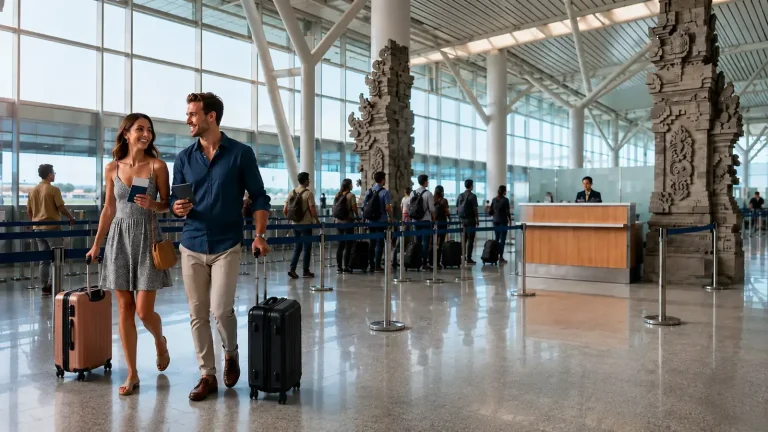
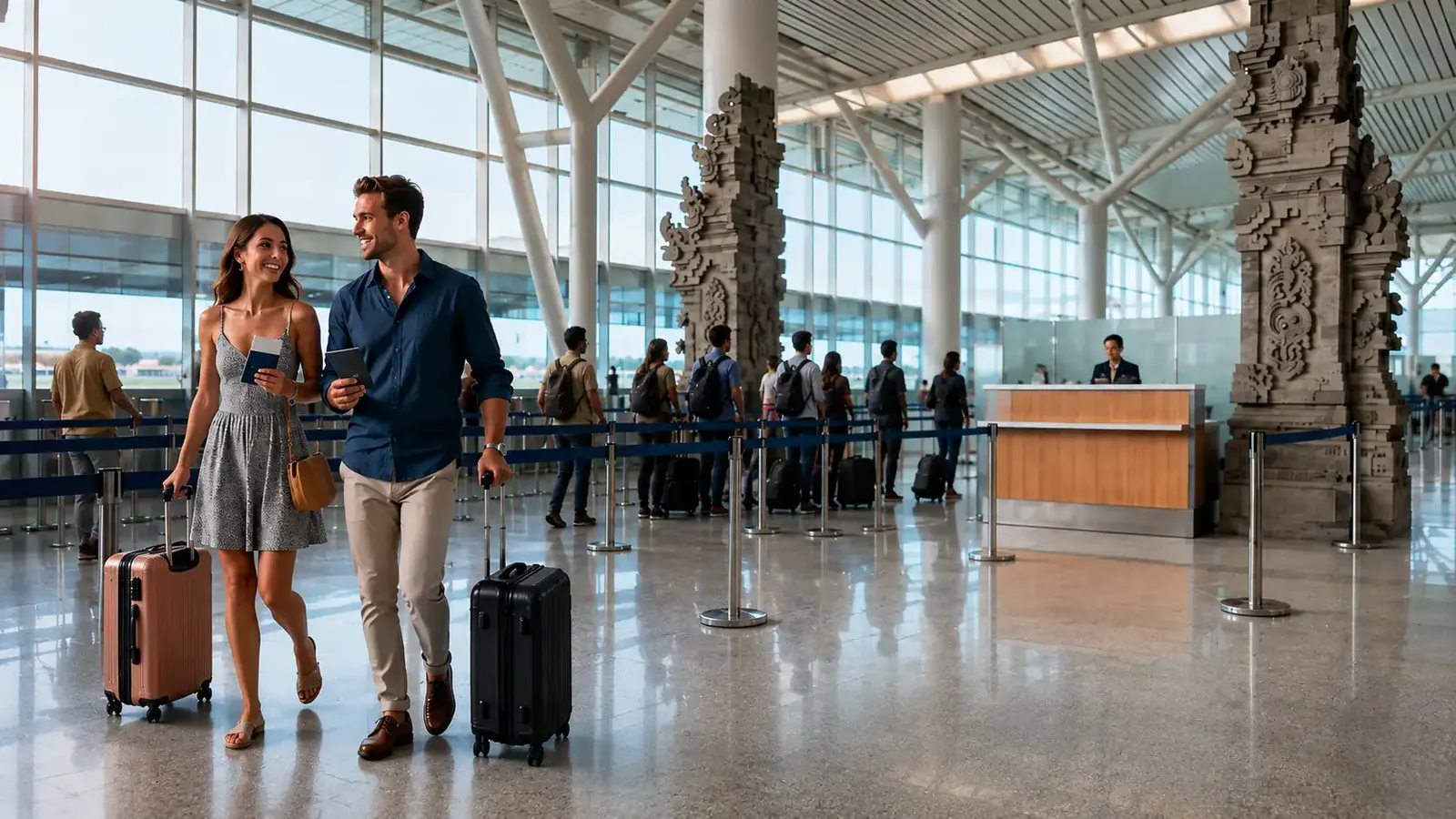
When flying from Bali to ayahuasca destinations like Peru or Costa Rica, Australians typically choose connecting flights through major hubs. For Peru, the most common route involves flying from Ngurah Rai International Airport (DPS) in Bali to Singapore (SIN), then connecting to a flight to Lima (LIM). The total travel time can range from 20 to 30 hours, depending on layovers, with ticket prices varying widely between $800 and $1,500 USD. Similarly, for Costa Rica, travelers often connect through Los Angeles (LAX) or San Jose (SJO) before reaching their destination. It’s advisable to book flights in advance and monitor airline schedules, as seasonal variations can impact availability and pricing.
Legal considerations for Aussies attending ayahuasca retreats
Aussies considering an ayahuasca retreat must navigate complex legal landscapes. While participating in ceremonies abroad is generally legal in countries where ayahuasca is permitted, travelers should be aware of the implications of Australian law upon their return. For instance, possession of ayahuasca in Australia can lead to serious legal consequences, including arrest and prosecution. It’s also worth noting that, while some countries like the Netherlands have a more lenient stance on psychedelics, ayahuasca remains illegal there as well. Therefore, it is crucial to understand the laws in each destination country and ensure compliance. Regularly checking updates from Australian government resources, such as the Department of Foreign Affairs and Trade, can provide valuable information.
Health and safety tips for ayahuasca participants
Ensuring personal safety and health when participating in ayahuasca ceremonies is paramount. Pre-retreat preparations should include a thorough medical evaluation, especially for individuals with pre-existing conditions or those on medication. It is advisable to consult with a healthcare provider familiar with psychedelics to discuss potential risks and contraindications. Additionally, choosing reputable retreat centers with experienced facilitators is essential. These centers often provide necessary pre-ceremony guidelines, including dietary restrictions and psychological support. Many centers also incorporate integration practices post-ceremony, ensuring participants have the support they need to process their experiences safely.
Ayahuasca quarantine Australia: What to know
Upon returning to Australia after an ayahuasca retreat, participants should be aware of customs regulations surrounding quarantine. While ayahuasca itself is illegal, there are no formal quarantine requirements for individuals returning from ceremonies as long as they do not bring back any illegal substances. However, travelers must declare any herbal material or items that may be considered suspicious. Failure to do so could lead to delays or inspections by customs officials. It’s advisable to maintain all travel documents and receipts related to the retreat, as they may assist in clarifying the nature of the journey to customs.
For further information on ayahuasca legality and travel recommendations, visit [Wikipedia’s entry on Ayahuasca](https://en.wikipedia.org/wiki/Ayahuasca) and [Indonesia Travel](https://indonesia.travel).
If you’re considering an ayahuasca retreat journey from Australia or New Zealand, it’s essential to plan carefully. For more insights and assistance, contact the team to explore suitable options for your transformative experience.
Understanding the legal framework for ayahuasca in Indonesia
In Indonesia, the legal landscape surrounding ayahuasca is complex and restrictive. Ayahuasca, which contains the powerful hallucinogen DMT (dimethyltryptamine), is classified as a Class-1 narcotic under Indonesian law. This classification means that the production, distribution, and consumption of ayahuasca are strictly prohibited, and violators can face severe penalties, including imprisonment. As of 2023, anyone caught with DMT could be sentenced to up to 12 years in prison, as the Indonesian government takes a hard stance against drug use.
Despite this clear legal framework, a number of underground ceremonies operate in Bali, often under the guise of wellness retreats. These unofficial ceremonies not only pose legal risks but also expose participants to potential safety hazards, such as unregulated substances, inadequate medical supervision, and inexperienced facilitators. Engaging in these illegal activities can lead to serious legal consequences upon returning home, especially if customs authorities discover any illegal substances in travelers’ possession.
Evaluating claims and choosing the right retreat
When considering a bali ayahuasca retreat, critical evaluation of claims made by various operators is essential. Many retreats may advertise themselves as authentic or traditional, often with little evidence to support these assertions. Look for transparency in their practices, including certifications, testimonials, and the qualifications of facilitators. Reputable retreats often provide pre-ceremony consultations, detailed information about their processes, and aftercare services. Consider reaching out to past participants for their experiences and advice on what to expect.
Additionally, it’s advisable to conduct thorough research into the retreat’s location and surrounding community. The best retreats are typically located in serene environments that foster healing and introspection, away from the distractions of everyday life. Some reputable retreats may also incorporate other healing modalities, such as breathwork, meditation, and sound healing, which are legal and can enhance the overall experience. Always prioritize your safety and well-being by choosing a retreat that operates within legal boundaries and adheres to high ethical standards.
Exploring legal options for ayahuasca experiences abroad
For those determined to participate in an ayahuasca ceremony, several countries offer legal and safe options. Peru is a leading destination for ayahuasca retreats, with a long-standing tradition of indigenous use. The country boasts numerous well-established centers, particularly in the Amazon rainforest regions. Costa Rica is another popular choice, known for its lush landscapes and holistic retreats that focus on both ayahuasca and other healing practices. In the Netherlands, the use of ayahuasca is legal under specific conditions, making it an appealing option for European travelers.
When exploring these alternatives, a due diligence checklist is invaluable. Ensure the retreat is registered and adheres to local laws, check for facilitator credentials, read reviews on trusted platforms, and confirm the availability of medical support during ceremonies. Prices for these retreats can range from $200 to $2,000 per week, depending on the level of luxury and services offered. The investment in a reputable retreat can significantly enhance the safety and effectiveness of your ayahuasca experience.
Planning specifics? See bali ayahuasca retreat booking or baliayahuascaretreat money.
Keep Reading
Uncategorized
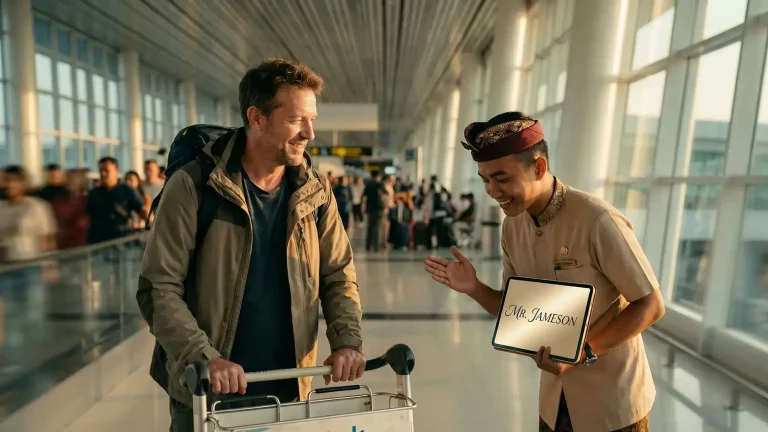
The Big Myth About Bali Airport Fast Track That Can Ruin Your First Night At A Retreat
Many retreat guests assume Bali airport fast track is a magic VIP lane that legally jumps immigration for anyone who…
Uncategorized
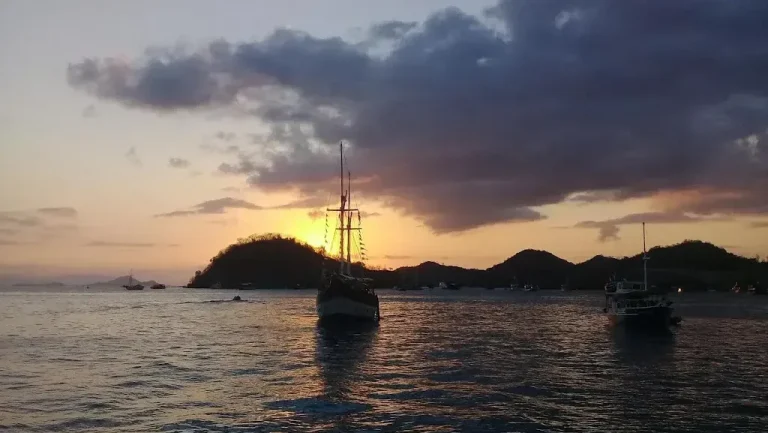
Planning a Luxury Labuan Bajo Escape in 2027 (Part 7)
As you plan your luxury escape to Labuan Bajo in 2027, consider the breathtaking natural beauty, exquisite accommodations, and unforgettable…
Uncategorized
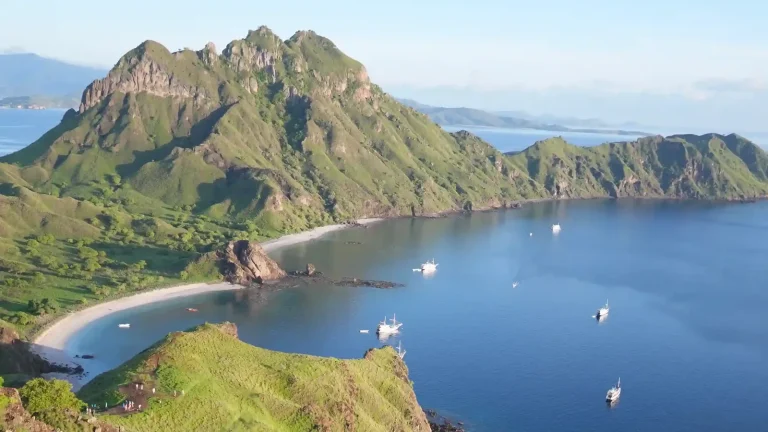
Beyond Bali: Add Komodo to Your Indonesia Trip 2026
If you’re planning a phenomenal Indonesian getaway in 2026, don’t overlook the breathtaking Komodo National Park. This UNESCO World Heritage…