While ayahuasca retreats in Bali offer unique spiritual experiences, they are illegal under Indonesian law. Here are key considerations to keep in mind:
- Ayahuasca contains DMT, classified as a Class-1 narcotic in Indonesia.
- Participation in underground ceremonies poses significant legal and personal risks.
- Alternatives like breathwork and sound healing are legal and can offer therapeutic benefits.
As the sun dips below the horizon, casting an orange glow over the lush greenery, the air becomes thick with the scent of incense and the rhythmic sounds of traditional Balinese gamelan music. You’re in a place where transformation is promised, yet uncertainty looms over the legality and safety of what lies ahead. Is a Bali ayahuasca retreat safe? This question weighs heavily on the minds of many seeking spiritual awakening through this powerful plant medicine. In this guide, we will unpack the complexities surrounding ayahuasca retreats in Bali, including legal considerations, potential risks, and viable alternatives for those seeking healing.
The Legal Landscape of Ayahuasca in Indonesia
To understand the safety of ayahuasca retreats in Bali, it’s crucial to grasp the legal environment. In Indonesia, ayahuasca falls under the category of substances containing DMT (dimethyltryptamine), which is classified as a Class-1 narcotic. According to the Indonesian Drug Policy, possession, distribution, and consumption of such narcotics can lead to severe penalties, including imprisonment. This puts any organized ayahuasca ceremony in direct violation of the law.
Ayahuasca is often marketed as a spiritual experience, but in the eyes of the law, it is treated no differently than other illegal drugs. The Indonesian government has stringent laws regarding narcotics, and the penalties can be harsh, including lengthy prison sentences and heavy fines. Therefore, engaging in an ayahuasca ceremony in Bali not only poses a risk to your personal safety but also to your legal standing.
The Risks of Underground Ceremonies
Given the legal restrictions, many retreats offering ayahuasca ceremonies operate underground. These covert operations can present significant risks. First and foremost, without regulatory oversight, the quality and safety of the ayahuasca brew may be questionable. Participants may encounter poorly prepared ayahuasca, leading to unexpected and potentially dangerous experiences.
Additionally, the lack of trained facilitators is alarming. In reputable environments, trained shamans guide participants through their journeys, providing support and ensuring safety. In contrast, underground ceremonies may lack experienced guides, increasing the risk of psychological distress or physical harm during the experience. Furthermore, if legal issues arise, participants may find themselves in precarious situations with the authorities.
Ultimately, the allure of a transformative experience can cloud judgment, leading individuals to overlook the potential consequences of participating in an illegal ceremony.
Evaluating Claims: What to Look For
In the crowded market of wellness tourism, it’s essential to critically evaluate the claims made by retreats. When searching for a Bali ayahuasca retreat, consider the following:
- Transparency: A reputable retreat should openly discuss the legality of their practices and the qualifications of their facilitators. Be wary of those who skirt around these issues.
- Customer Testimonials: Look for reviews from previous participants. Authentic testimonials can offer insight into the experience and the legitimacy of the retreat.
- Health and Safety Protocols: Inquire about the measures in place to ensure participant safety, including medical screenings and emergency procedures.
Evaluating these factors can help you discern between a legitimate wellness experience and a risky underground operation. It’s essential to do thorough research to ensure you make an informed decision.
Legal Alternatives in Bali
If you are seeking healing and transformation without the risks associated with ayahuasca, Bali offers numerous legal alternatives. Practices such as breathwork, meditation, sound healing, and yoga have gained popularity as effective methods for personal growth and healing.
Breathwork: This practice involves controlled breathing techniques designed to enhance self-awareness and emotional release. Various workshops are available throughout Bali, often led by experienced practitioners.
Meditation: Bali is home to a myriad of meditation centers where you can learn different techniques, from mindfulness to transcendental meditation. These practices can help cultivate a sense of peace and clarity.
Sound Healing: Using instruments like singing bowls and gongs, sound healing sessions can promote relaxation and spiritual growth. Many retreats incorporate these sessions into their programs, providing a safe and legal way to explore your inner self.
These alternatives not only offer therapeutic benefits but also keep you within the legal boundaries of Indonesian law, ensuring a safer experience overall.
Where Ayahuasca is Legally Practiced Abroad
For those determined to experience ayahuasca in a legal context, several countries provide a safer environment for such practices. Peru, Costa Rica, and the Netherlands are among the most recognized destinations for legal ayahuasca ceremonies.
Peru: Home to the indigenous Shipibo-Conibo people, Peru has a long history of ayahuasca use. Numerous retreats operate legally, with experienced shamans guiding ceremonies in a culturally sensitive manner. The Peruvian government recognizes traditional practices, making it one of the safest options for participants.
Costa Rica: With its lush jungles and focus on wellness tourism, Costa Rica offers a variety of retreats that legally facilitate ayahuasca ceremonies. Many of these retreats emphasize holistic healing and personal growth.
Netherlands: In the Netherlands, ayahuasca is legal and regulated, with several reputable retreats operating in safe environments. The legal framework allows for a structured approach to the use of plant medicine, ensuring participant safety.
When considering a retreat abroad, it’s vital to conduct thorough due diligence. Look for established centers with positive reviews and experienced facilitators to ensure your experience is both safe and enriching.
Quick FAQ
Q: Is ayahuasca legal in Bali?
A: No, ayahuasca is illegal in Indonesia as it contains DMT, classified as a Class-1 narcotic.
Q: What are the risks of attending an underground ayahuasca ceremony?
A: Risks include legal consequences, poor quality brews, and lack of trained facilitators.
Q: What alternatives to ayahuasca are available in Bali?
A: Legal alternatives include breathwork, meditation, sound healing, and yoga.
Q: Where can I legally participate in ayahuasca ceremonies?
A: Legal destinations include Peru, Costa Rica, and the Netherlands, where reputable retreats are available.
In a world where spiritual exploration often intersects with legality and safety, navigating the waters of ayahuasca retreats in Bali can be daunting. For those drawn to the potential healing offered by ayahuasca, understanding the legal implications and risks is crucial. Exploring the myriad of legal alternatives may provide the insights and transformation you seek without the associated dangers of illegal activities. For more information on safe practices and alternative healing methods, visit the Bali Ayahuasca Retreat Guide for a comprehensive overview of your options.
Planning specifics? See Bali Ayahuasca Retreat Guide or bali ayahuasca retreat.
Keep Reading

Uncategorized
The Big Myth About Bali Airport Fast Track That Can Ruin Your First Night At A Retreat
Many retreat guests assume Bali airport fast track is a magic VIP lane that legally jumps immigration for anyone who…
Uncategorized
Planning a Luxury Labuan Bajo Escape in 2027 (Part 7)
As you plan your luxury escape to Labuan Bajo in 2027, consider the breathtaking natural beauty, exquisite accommodations, and unforgettable…
Uncategorized
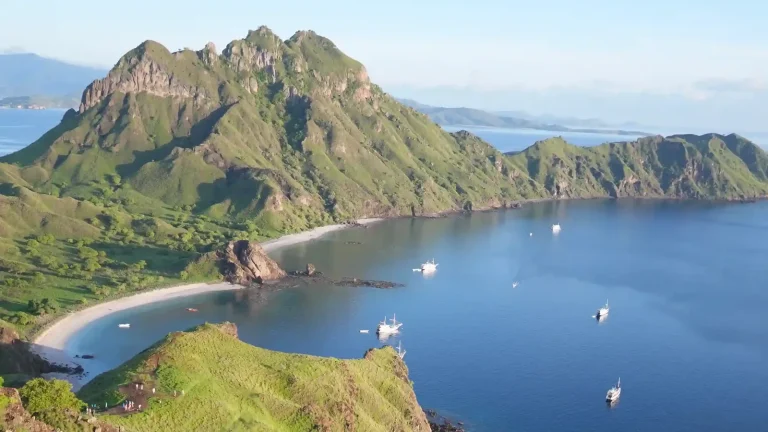
Beyond Bali: Add Komodo to Your Indonesia Trip 2026
If you’re planning a phenomenal Indonesian getaway in 2026, don’t overlook the breathtaking Komodo National Park. This UNESCO World Heritage…