Ayahuasca Retreats in Costa Rica: Legality, Regulation and Safety Questions
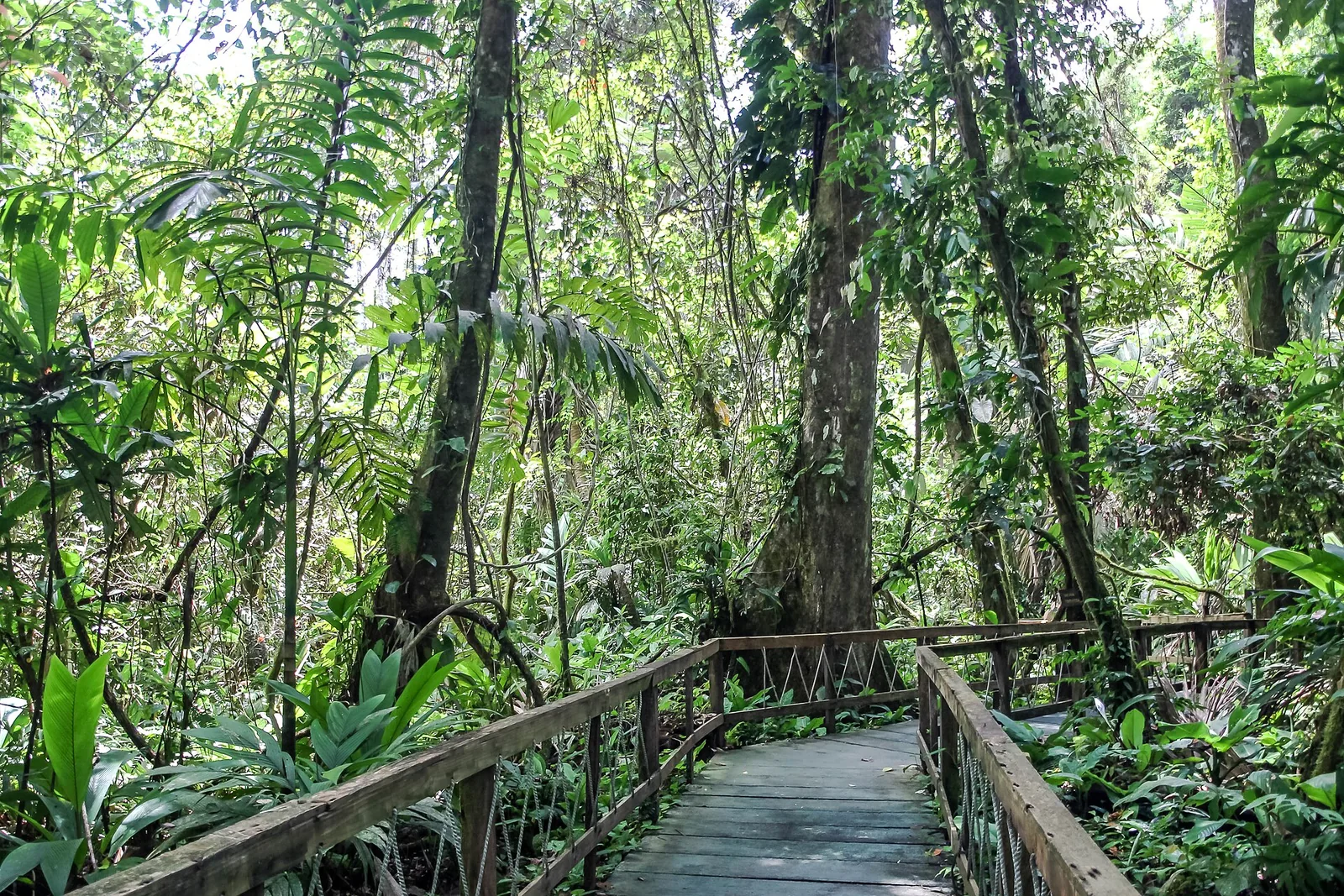
In the lush jungles of Costa Rica, the air thick with humidity and the scent of exotic flora, the allure of ayahuasca beckons seekers from around the world. This ancient Amazonian brew, revered for its transformative properties, finds a welcoming environment here, where spirituality and nature intertwine.
Is ayahuasca legal in Costa Rica for foreigners?
Ayahuasca is indeed legal in Costa Rica for foreigners, making it an attractive destination for those seeking healing and introspection through this psychoactive brew. The Costa Rican government recognizes ayahuasca as a traditional medicine, which allows practitioners to facilitate ceremonies legally. Although there are no specific laws regulating the consumption of ayahuasca, participants should ensure that their chosen retreat operates within Costa Rican legal parameters.
How regulated are ayahuasca retreats in Costa Rica?
Ayahuasca retreats in Costa Rica are subject to minimal government regulation. While there are no licensing requirements specifically for ayahuasca ceremonies, retreat centers must adhere to general health and safety standards. This lack of rigorous oversight can pose risks, particularly if centers do not follow ethical practices or if facilitators lack adequate training. Potential participants should conduct thorough research to assess the credibility and safety of retreats before committing. Reliable centers often have testimonials and affiliations with recognized organizations that emphasize safety and quality.
What makes Costa Rica a popular destination for ayahuasca?
Costa Rica’s popularity as an ayahuasca destination stems from its rich biodiversity, spiritual climate, and cultural openness. The country’s stunning landscapes, ranging from rainforests to pristine beaches, provide a serene backdrop for introspection. Additionally, Costa Rica’s commitment to conservation and sustainability resonates with those seeking a deep connection to nature. The prevalence of experienced shamanic practitioners and well-established retreat centers further enhances its appeal, as many visitors seek authentic, guided experiences in a supportive environment.
How do Costa Rica ayahuasca laws differ from Indonesia and Bali?
Costa Rica’s laws surrounding ayahuasca differ significantly from those in Indonesia and Bali, where the legal landscape is more complex. In Indonesia, the use of ayahuasca is illegal, and its possession can lead to severe penalties. Conversely, in Bali, while there is a flourishing ayahuasca retreat scene, it operates in a grey area of legality and is subject to local regulations that can change. Unlike these regions, Costa Rica provides a more permissive environment for ayahuasca use, allowing for growth in the retreat industry, although participants should remain vigilant regarding individual retreat practices and safety measures.
Costa Rica ayahuasca safety considerations
When considering safety at ayahuasca retreats in Costa Rica, several factors come into play. Participants should prioritize centers that follow strict health protocols and have trained facilitators. It is crucial to inquire about the origins of the ayahuasca used, as well as the retreat’s practices regarding integration support. Participants are advised to undergo a health screening before partaking in ceremonies, especially those with pre-existing medical conditions or mental health concerns. Additionally, researching reviews and testimonials can provide insight into the safety and efficacy of a chosen retreat.
Legal ayahuasca country comparison
When comparing legal frameworks for ayahuasca across countries, Costa Rica stands out for its relatively lenient stance. In Peru, ayahuasca is legal, and retreats are often well-regulated, providing a benchmark for quality and safety. The Netherlands has also established a legal framework around psychedelics, including ayahuasca, but the focus is more on research and controlled settings. In contrast, Indonesia largely prohibits ayahuasca, placing it at odds with the growing global interest in psychedelic therapies. This comparison highlights the varying degrees of acceptance and regulation of ayahuasca, influencing where individuals may seek their experiences.
For visitors considering an ayahuasca retreat in Costa Rica, costs can vary widely. Typical retreat packages range from $800 to $3,000 for a week-long stay, depending on accommodations, number of ceremonies, and additional wellness activities. This pricing is competitive when compared to similar offerings in Bali, where costs can reach up to IDR 40,000,000 (approximately $2,700) for comprehensive retreat experiences.
For further reading on ayahuasca and its implications, consider visiting [Wikipedia](https://en.wikipedia.org/wiki/Ayahuasca) or [Indonesia Travel](https://www.indonesia.travel/) for insight into regional practices and laws.
To explore ayahuasca retreats in Costa Rica or learn more about Bali ayahuasca retreats, visit our homepage or consult our guide on retreat safety. For any inquiries about planning your journey, please contact the team.
Understanding the legality of ayahuasca in Bali
While the tropical beaches and vibrant culture of Bali attract wellness seekers, it is crucial to understand the legal landscape surrounding ayahuasca. In Indonesia, the active ingredient in ayahuasca, DMT (dimethyltryptamine), is classified as a Class-1 narcotic. This classification makes any use or possession of DMT illegal, including within the context of ayahuasca ceremonies. The Indonesian government maintains strict drug laws, and violations can lead to severe penalties, including long prison sentences.
Despite the risks, some underground ceremonies may still occur, often led by unlicensed practitioners. However, these illegal gatherings lack oversight and can pose significant safety concerns, including the potential for adulterated brews or inadequate medical support. Participants should weigh these risks carefully, as legal repercussions can overshadow the spiritual benefits they seek.
Evaluating wellness practices in Bali
While ayahuasca itself is illegal, there are many alternative spiritual practices available in Bali that promote healing and self-discovery. Breathwork, meditation, and sound healing have gained popularity in recent years, offering safe and legal avenues for personal growth. These practices can often be found in wellness centers across the island, with sessions typically priced between $30 to $100 per class, depending on the duration and facilitator’s expertise.
It is important to research the practices and practitioners before committing to any sessions. Look for licensed wellness centers with positive reviews and testimonials. Additionally, consider attending introductory classes to better understand the methods used and the facilitators’ backgrounds. Connecting with a community of like-minded individuals can enrich your experience and provide support along your journey.
Where ayahuasca is legally practiced abroad
For those drawn to the profound experiences that ayahuasca can offer, several countries around the world provide legal avenues to partake in this traditional brew. Peru is widely known as a hub for ayahuasca ceremonies, with the Sacred Valley being home to many reputable retreat centers. In Peru, ayahuasca is protected as a cultural heritage and is commonly used in traditional healing practices. Retreat prices can range from $500 to $2,000 for multi-day packages, including accommodation and meals.
Costa Rica also remains a popular destination for ayahuasca retreats, providing a safe and legal environment for both locals and foreigners. The Netherlands has also embraced ayahuasca, with legal frameworks allowing for its use in therapeutic settings. Travelers interested in these retreats should conduct thorough research, utilizing resources like Wikipedia and local guides to ensure they choose reputable providers.
Planning specifics? See check availability or bali ayahuasca retreat.
Keep Reading

Uncategorized
The Big Myth About Bali Airport Fast Track That Can Ruin Your First Night At A Retreat
Many retreat guests assume Bali airport fast track is a magic VIP lane that legally jumps immigration for anyone who…
Uncategorized
Planning a Luxury Labuan Bajo Escape in 2027 (Part 7)
As you plan your luxury escape to Labuan Bajo in 2027, consider the breathtaking natural beauty, exquisite accommodations, and unforgettable…
Uncategorized
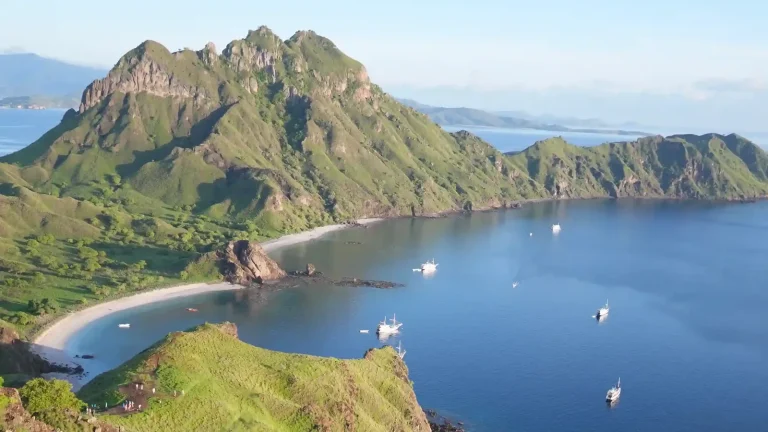
Beyond Bali: Add Komodo to Your Indonesia Trip 2026
If you’re planning a phenomenal Indonesian getaway in 2026, don’t overlook the breathtaking Komodo National Park. This UNESCO World Heritage…