Underground Ayahuasca Retreats in Bali: Legal, Medical and Ethical Risks
The dense tropical air in Bali carries the scent of incense and the sound of distant chants, inviting seekers to explore the transformative power of ayahuasca. Yet, beneath this alluring surface lies a complex web of risks associated with underground ceremonies.
How can you tell if an ayahuasca retreat in Bali is underground and illegal?
Identifying an underground and illegal ayahuasca retreat in Bali can be challenging. Several indicators signal these unregulated operations:
– **Lack of Transparency**: Legitimate retreats typically provide clear information about the shaman’s credentials, the retreat’s practices, and safety protocols. If details are vague or if the shaman is unlicensed, it’s a red flag.
– **Inconsistent Legal Compliance**: Ayahuasca is not explicitly illegal in Indonesia, but its use can fall under various drug laws. If a retreat operates in secrecy or avoids local regulations, it is likely underground.
– **Unverified Testimonials**: Authentic retreats often have verified reviews or endorsements from reputable sources. Be wary of testimonials that seem overly positive or lack detail.
If a retreat’s website or promotional materials do not reference legal compliance or local health regulations, it may be operating underground.
What medical risks are associated with underground ayahuasca ceremonies?
Underground ayahuasca ceremonies can pose several medical risks to participants, largely due to the lack of oversight and regulation:
– **Inexperienced Shamans**: Many underground retreats may employ shamans without proper training or experience, leading to improper dosage and potentially harmful practices. This can result in severe psychological or physical reactions.
– **Contaminated Brew**: The ayahuasca brew’s ingredients can vary widely and may include toxic plants if not prepared correctly. Contaminated or adulterated brews can lead to serious health issues, including poisoning.
– **Pre-existing Conditions**: Participants often do not disclose medical histories, which can be critical. Certain conditions, particularly mental health disorders, can be exacerbated by ayahuasca, leading to adverse reactions or distress during ceremonies.
Given these risks, it is crucial to prioritize health and safety when considering participation in such ceremonies.
What happens if a retreat in Bali gets raided by police?
If a retreat in Bali is raided by police, several consequences can unfold:
– **Legal Repercussions for Participants**: Individuals attending an illegal ayahuasca ceremony may face legal trouble, including fines or arrest. The Indonesian legal framework can be strict regarding drug-related offenses.
– **Closure of the Retreat**: Authorities are likely to shut down any retreat found to be operating illegally, which can disrupt participants’ experiences and lead to further investigations.
– **Psychological Impact**: A raid can lead to panic and chaos. Participants may suffer from acute stress or trauma due to the sudden disruption of the ceremony and legal uncertainties.
It is vital for individuals to be aware of the potential for law enforcement intervention and the subsequent implications it may have on their experience.
Are there safer legal options than underground ayahuasca in Bali?
Safer legal options for ayahuasca experiences in Bali do exist, primarily through reputable retreats that comply with local regulations and prioritize participant safety:
– **Licensed Retreats**: Some retreats operate under the guidance of qualified shamans with experience in traditional practices. These retreats often provide comprehensive health screenings and aftercare.
– **Legal Framework**: While ayahuasca remains in a legal gray area, some retreats navigate this by offering supportive services and emphasizing holistic healing, reducing the risk associated with underground operations.
– **Cultural and Educational Workshops**: Some organizations offer workshops that educate participants about ayahuasca and its cultural significance without the risks associated with the actual consumption of the brew.
Prices for these legal retreats can range from $500 to $1,500 (7,500,000 IDR to 22,500,000 IDR) for a multi-day program, which often includes accommodations, meals, and ceremonies led by experienced shamans.
For more information on Bali’s regulations and cultural practices surrounding ayahuasca, visit [Indonesia Travel](https://www.indonesia.travel) or [Wikipedia](https://www.wikipedia.org).
In navigating the complexities of ayahuasca in Bali, it is important to conduct thorough research. For further guidance on safe and regulated ayahuasca experiences, contact the team or visit our [homepage](/) for additional resources.
Understanding the legal landscape of ayahuasca in Indonesia
The vibrant culture of Bali often masks the strict legal framework surrounding the use of psychoactive substances. In Indonesia, the law categorizes DMT, the active ingredient in ayahuasca, as a Class-1 narcotic under the Narcotics Law No. 35 of 2009. This classification makes the use, possession, and distribution of ayahuasca illegal across the archipelago. Engaging in an ayahuasca ceremony can potentially lead to severe legal penalties, including lengthy prison sentences, as drug offenses are treated with extreme severity in Indonesia.
Despite the risks, some individuals may still seek out underground ayahuasca retreats. These ceremonies often take place in secluded locations, away from the prying eyes of law enforcement. However, participants risk not only legal repercussions but also the quality and safety of the substances being used. Without regulation, the origin, potency, and purity of ayahuasca can vary significantly, leading to unpredictable and potentially dangerous experiences.
Evaluating the safety of alternative wellness practices in Bali
For those drawn to the spiritual and healing aspects of ayahuasca but wary of its legal implications, Bali offers a wealth of alternative wellness practices. Techniques such as breathwork, sound healing, and meditation are legal and provide profound experiences without the associated legal risks. Breathwork, for example, has gained popularity in Bali and can be found in various wellness retreats, often costing around $30 to $100 per session.
Sound healing, utilizing instruments like singing bowls and tuning forks, taps into the vibrational energy of sound to promote relaxation and healing. Many practitioners offer sessions in tranquil settings, allowing participants to immerse themselves in a sensory experience that fosters emotional release and mental clarity. These alternatives not only comply with local laws but also offer safe avenues for self-discovery and healing without the uncertainties tied to underground ayahuasca ceremonies.
Reputable ayahuasca retreats outside Indonesia
For those determined to experience ayahuasca within a legal framework, several countries have established themselves as reputable destinations for such retreats. Peru, often hailed as the birthplace of ayahuasca, has numerous centers that operate under legal protections and with trained shamans. In fact, the Peruvian government recognizes traditional medicine, including ayahuasca, as part of its cultural heritage, and many retreats are located in the Amazon rainforest, providing an authentic cultural context for the experience.
Additionally, Costa Rica and the Netherlands have become popular spots for ayahuasca enthusiasts. In Costa Rica, legal frameworks allow for the use of ayahuasca in controlled environments, often with a focus on healing and personal growth. Meanwhile, retreats in the Netherlands operate under strict regulations, giving participants peace of mind regarding the safety and legality of their experience. When considering a retreat abroad, it’s vital to conduct thorough due diligence. Checking online reviews, verifying shaman credentials, and reviewing safety protocols can help ensure a safe and enriching experience.
Planning specifics? See check availability or full pricing guide.
Keep Reading

Uncategorized
The Big Myth About Bali Airport Fast Track That Can Ruin Your First Night At A Retreat
Many retreat guests assume Bali airport fast track is a magic VIP lane that legally jumps immigration for anyone who…
Uncategorized
Planning a Luxury Labuan Bajo Escape in 2027 (Part 7)
As you plan your luxury escape to Labuan Bajo in 2027, consider the breathtaking natural beauty, exquisite accommodations, and unforgettable…
Uncategorized
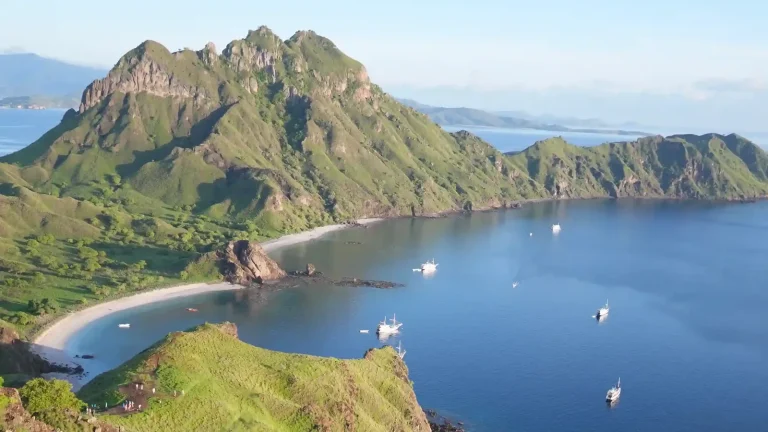
Beyond Bali: Add Komodo to Your Indonesia Trip 2026
If you’re planning a phenomenal Indonesian getaway in 2026, don’t overlook the breathtaking Komodo National Park. This UNESCO World Heritage…