DMT in Indonesia: Why Ayahuasca Is Treated as a Class I Narcotic
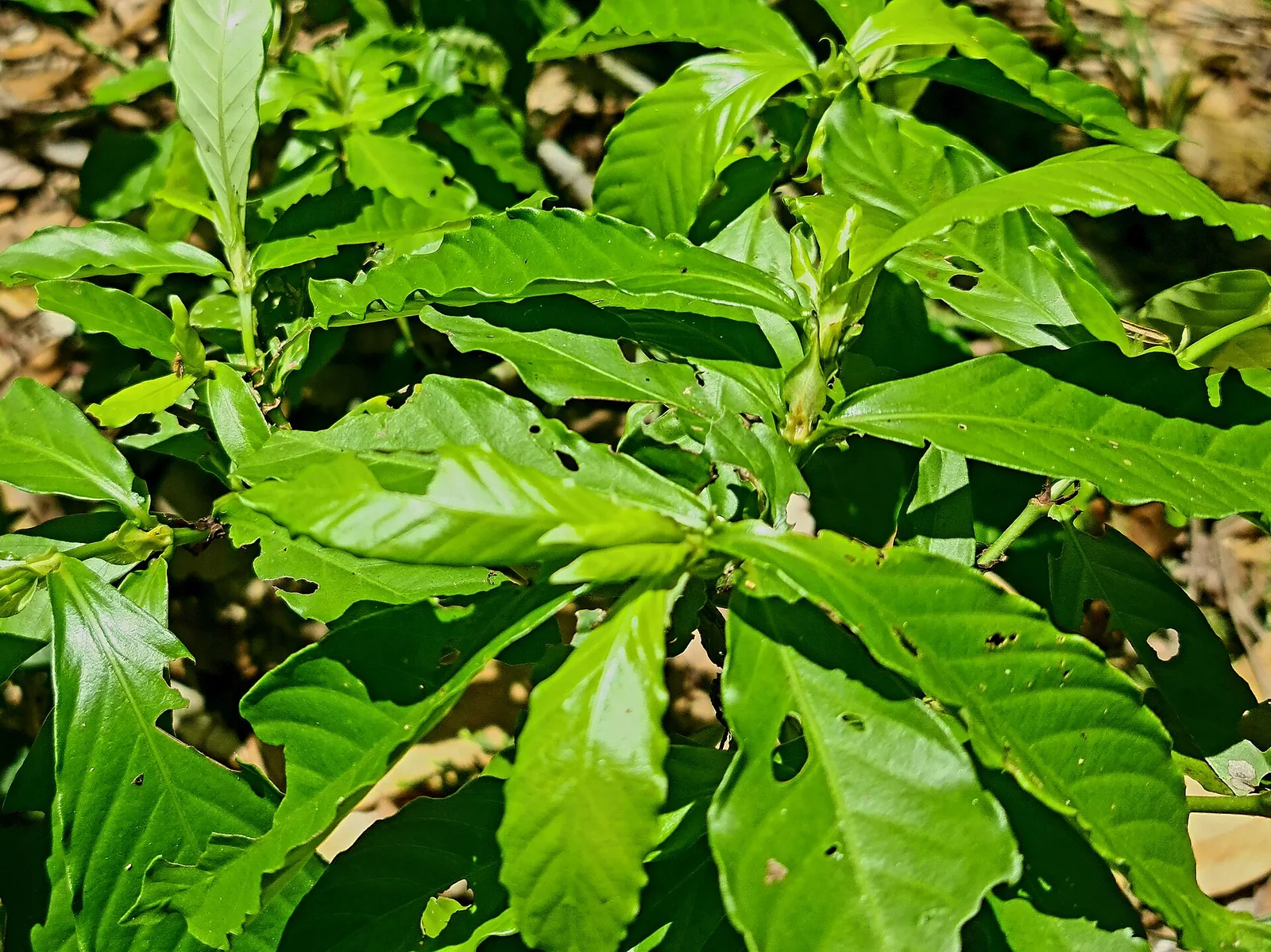
The scent of damp earth fills the air as you walk through lush jungles, where traditional practices collide with stringent laws. In this vibrant landscape, the mystique surrounding ayahuasca and its principal ingredient, DMT, raises critical questions about legality and cultural respect.
Is DMT specifically listed as illegal in Indonesia?
Yes, DMT is explicitly classified as illegal in Indonesia. Under the Indonesian Narcotics Law No. 35 of 2009, DMT (N,N-Dimethyltryptamine) is included in the list of narcotics categorized as Class I substances. This categorization means that any possession, use, or distribution of DMT is subject to severe legal penalties. The law not only addresses DMT but also encompasses various psychedelic substances, reflecting the government’s stringent stance on drug control.
Why is ayahuasca considered a narcotic under Indonesian law?
Ayahuasca is treated as a narcotic in Indonesia primarily because it contains DMT, an illegal substance under Indonesian law. The law classifies ayahuasca as a psychoactive substance that can alter consciousness, thus placing it in the same category as other narcotics. This regulatory framework is rooted in a broader effort to combat drug abuse and trafficking, as the Indonesian government aims to maintain strict control over substances deemed harmful to public health.
How strictly are psychedelic laws enforced in Bali?
Psychedelic laws in Bali are enforced with considerable strictness. The Indonesian authorities actively monitor drug-related activities, and Bali, as a popular tourist destination, is not exempt from these regulations. Penalties for drug offenses can be severe, including long prison sentences and hefty fines. For tourists, the risks are heightened due to limited understanding of local laws. Reports indicate that foreign nationals have faced significant consequences for drug possession, reinforcing the importance of adhering to local regulations.
Are there any religious or traditional exemptions for ayahuasca in Indonesia?
Indonesia does not currently recognize any religious or traditional exemptions for the use of ayahuasca. While some countries, such as Peru and Brazil, allow for religious use of ayahuasca within specific cultural contexts, Indonesia’s legal framework does not provide such allowances. The country’s laws prioritize the prohibition of substances classified as narcotics regardless of cultural or spiritual practices. Consequently, ayahuasca rituals, often associated with indigenous traditions, face significant legal challenges within Indonesian territory.
Comparative Legal Landscape: Ayahuasca in Other Countries
In contrast to Indonesia, countries such as Peru and Brazil have established legal frameworks that allow for the ceremonial use of ayahuasca. In Peru, ayahuasca tourism has flourished, with retreats and ceremonies available for both locals and tourists. Legal status in these countries recognizes the cultural significance of ayahuasca, providing a more lenient approach compared to Indonesia’s strict laws. For example, ayahuasca retreats in Peru can range from $70 to $250 per session (1,000,000 IDR – 3,500,000 IDR), depending on the location and inclusivity of the experience, contrasting sharply with the risks involved in Indonesia.
Psychedelic Drug Laws in Indonesia: Key Takeaways
Psychedelic drug laws in Indonesia are among the strictest globally, particularly regarding substances like DMT and ayahuasca. The penalty for possession can include lengthy prison sentences and substantial fines, reflecting the government’s commitment to a zero-tolerance policy. The classification of these substances as Class I narcotics underscores a comprehensive approach to drug control, aiming to deter both usage and trafficking. This stance creates a challenging environment for those interested in exploring ayahuasca, particularly in places like Bali, where tourism and traditional practices intersect.
Understanding Narkotika Golongan 1 Penjelasan
“Narkotika golongan 1” refers to substances categorized under Indonesia’s narcotics law that are deemed to have a high potential for abuse and no accepted medical use. The classification includes various substances like heroin, cocaine, and DMT. Understanding this classification is crucial for anyone considering the legal implications of drug use in Indonesia. The law is designed to protect public health and safety, reflecting a societal consensus on the dangers posed by such substances.
For more detailed insights into Indonesian laws regarding narcotics, you can visit indonesia.travel or explore the legal framework on Wikipedia.
To stay informed about the legal status of ayahuasca and other substances, consider checking relevant resources like UNESCO for cultural perspectives and regulations.
To learn more about Bali ayahuasca retreats and their cultural significance, visit our homepage or explore our guides on ayahuasca experiences in different countries. For further assistance, contact the team for more information.
The legal landscape of ayahuasca in Bali
In the heart of Bali, where spirituality and healing converge, the allure of ayahuasca retreats can be tempting. However, the legal landscape is fraught with risks. The Indonesian government has taken a firm stance against psychedelics, with penalties for possession of Class I narcotics, including DMT, ranging from four to twelve years in prison. Those seeking transformative experiences must navigate these laws carefully, as the consequences of participating in illegal ayahuasca ceremonies can be severe.
Furthermore, the cultural significance of ayahuasca in its traditional settings, such as Peru and Brazil, contrasts sharply with its perception in Indonesia. In these countries, ayahuasca is often integrated into indigenous practices and respected for its healing properties. In Bali, however, the absence of such cultural context raises ethical questions about the commercialization of indigenous spiritual practices. Any retreat claiming to offer ayahuasca experiences in Bali operates outside the bounds of legality, which can lead to exploitation of participants and cultural insensitivity.
Evaluating underground ceremonies and their risks
As the demand for ayahuasca experiences grows, underground ceremonies have proliferated in Bali. While some participants may be drawn to these clandestine gatherings, the risks involved are significant. Without regulation, the quality and safety of the substances used can vary wildly. There have been reports of participants suffering adverse psychological effects or physical harm due to untrained facilitators and impure substances.
Moreover, there is a lack of aftercare and support in these settings, leaving individuals vulnerable after intense psychedelic experiences. When considering participation in such gatherings, it’s crucial to evaluate claims made by facilitators critically. Look for transparency about the sources of the ayahuasca, the credentials of the facilitators, and the overall safety protocols in place. Remember, a genuine retreat will prioritize participant well-being and operate within legal frameworks.
Legal alternatives to ayahuasca in Bali
Although ayahuasca ceremonies are illegal, Bali offers a wealth of legal alternatives for those seeking spiritual growth and healing. Practices such as breathwork, meditation, and sound healing are not only legal but widely embraced in wellness communities. Many retreats focus on these modalities, providing safe and enriching environments for personal exploration without the legal risks associated with ayahuasca.
For instance, breathwork workshops can range from IDR 500,000 to IDR 1,500,000 (approximately $35 to $100) per session, offering participants an opportunity to explore altered states of consciousness in a safe and legal context. Additionally, kambo, a traditional Amazonian medicine derived from the secretion of the Phyllomedusa bicolor frog, is another practice that has gained popularity in Bali. While still controversial and requiring careful consideration and medical consultation, kambo ceremonies can offer a unique healing experience without the legal ramifications faced by ayahuasca users.
Exploring ayahuasca legality abroad
For those determined to experience ayahuasca, several countries offer legal retreats steeped in tradition. In Peru, for example, ayahuasca is legal and commonly practiced within indigenous communities. Retreats in the Sacred Valley can cost anywhere from $200 to $800 for a multi-day program, often including accommodations, meals, and integration support.
Similarly, Costa Rica has emerged as a popular destination for ayahuasca retreats, where the ceremonies are conducted by trained shamans in a respectful and legal context. The Netherlands also allows the use of ayahuasca, with several retreats operating under the guidance of reputable organizations. Before embarking on an ayahuasca journey abroad, potential participants should conduct thorough research, checking for certifications, participant reviews, and the retreat’s adherence to ethical practices. Reliable resources such as Wikipedia and Indonesia.travel can provide valuable insights into the legal frameworks and cultural contexts of ayahuasca practices worldwide.
Planning specifics? See bali ayahuasca retreat booking or Bali Ayahuasca Retreat Guide.
Keep Reading

Uncategorized
The Big Myth About Bali Airport Fast Track That Can Ruin Your First Night At A Retreat
Many retreat guests assume Bali airport fast track is a magic VIP lane that legally jumps immigration for anyone who…
Uncategorized
Planning a Luxury Labuan Bajo Escape in 2027 (Part 7)
As you plan your luxury escape to Labuan Bajo in 2027, consider the breathtaking natural beauty, exquisite accommodations, and unforgettable…
Uncategorized
Beyond Bali: Add Komodo to Your Indonesia Trip 2026
If you’re planning a phenomenal Indonesian getaway in 2026, don’t overlook the breathtaking Komodo National Park. This UNESCO World Heritage…