Is Ayahuasca Legal in Bali? Understanding Indonesian Narcotics Law
The aroma of fresh herbs mingles with the earthy scent of the jungle, where rituals unfold under the watchful gaze of ancient trees. Here in Bali, the allure of ayahuasca retreats tempts many, yet the legal landscape remains fraught with complexity.
What does Indonesian law say about ayahuasca and DMT?
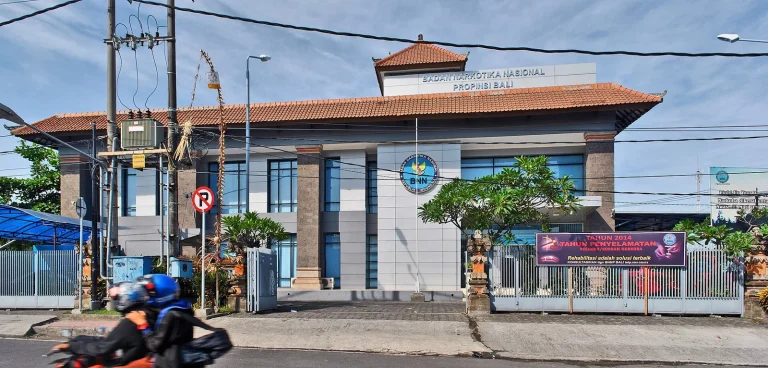
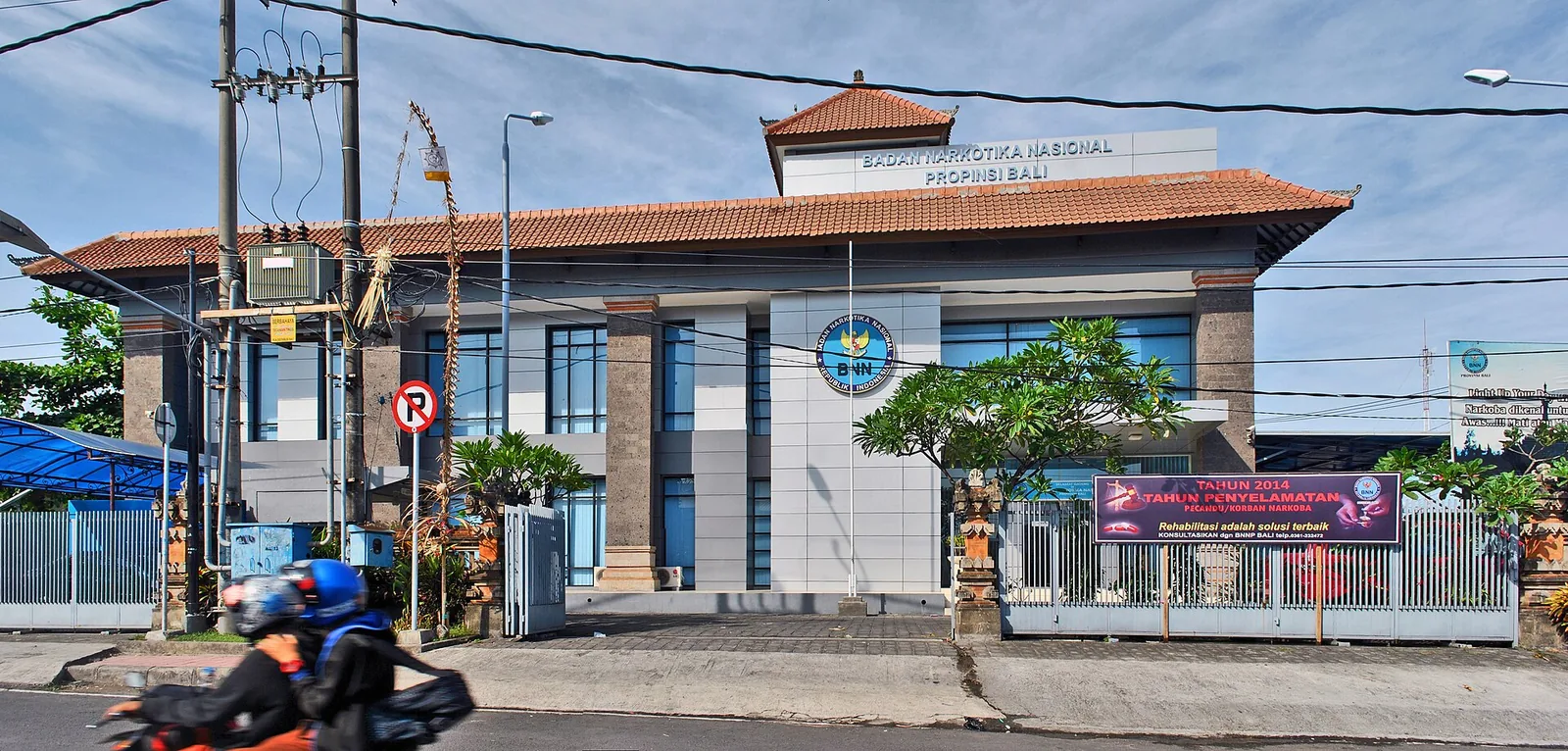
Indonesian law categorizes ayahuasca as a Class 1 narcotic, primarily due to its active ingredient, DMT (dimethyltryptamine). Under Indonesia’s Narcotics Law No. 35 of 2009, DMT is included in the list of prohibited substances, effectively making ayahuasca illegal throughout the country, including Bali. The law does not distinguish between traditional use and recreational use; thus, engaging in ayahuasca ceremonies can lead to serious legal repercussions. While some countries like Peru have legalized ayahuasca for spiritual use, Indonesia maintains a zero-tolerance policy towards its consumption, emphasizing the need for caution among those considering participation in such retreats.
Can foreigners be arrested for doing ayahuasca in Bali?
Yes, foreigners can be arrested for using ayahuasca in Bali. The Indonesian legal system applies equally to locals and tourists alike, meaning that engaging in ayahuasca ceremonies can lead to arrest and prosecution. In recent years, there have been instances where foreign nationals have faced legal action for involvement in ayahuasca rituals, often leading to lengthy detentions and significant fines. Consequently, understanding the legal ramifications is crucial for anyone contemplating participation in such practices.
What are the possible penalties for ayahuasca use in Indonesia?
Penalties for ayahuasca use in Indonesia can be severe. Violating Indonesia’s narcotics laws may lead to imprisonment, with sentences ranging from four to twelve years for possession or use of a Class 1 narcotic. Additionally, hefty fines can accompany these sentences, sometimes exceeding IDR 8 billion (approximately USD 550,000) for trafficking offenses. Even personal use can attract significant legal scrutiny, making it imperative for individuals to weigh the risks carefully before engaging with ayahuasca in Bali.
Is there any legal way to drink ayahuasca in Indonesia?
Currently, there is no legal framework that permits the consumption of ayahuasca in Indonesia. While some may seek to partake in ceremonial contexts, the law does not recognize these practices as legal exemptions. In contrast, countries like Costa Rica and the Netherlands provide legal avenues for ayahuasca use within regulated environments, such as licensed retreats. As of now, anyone looking to experience ayahuasca must do so with the full awareness of the legal consequences present in Indonesia, making it a high-risk endeavor.
Comparative Legal Landscape: Ayahuasca in Other Countries
In stark contrast to Indonesia, countries such as Peru and Costa Rica have embraced ayahuasca’s traditional use, providing legal protections for its consumption in ceremonial contexts. In Peru, ayahuasca tourism thrives, with numerous retreats legally operating under the auspices of indigenous traditions. Pricing for these retreats can range from USD 150 to USD 1,500 per week, depending on the level of accommodation and the type of ceremonies offered. In comparison, Bali’s illegal status for ayahuasca means that individuals engaging in similar experiences may find themselves facing severe penalties instead of spiritual healing.
Understanding the Risks of Ayahuasca Retreats in Bali
Participating in ayahuasca retreats in Bali entails significant risks, given the stringent narcotics laws. The appeal of these retreats varies, with many individuals seeking spiritual enlightenment or therapeutic benefits. However, the reality of potential arrest and legal consequences can overshadow any perceived benefits. Therefore, it is crucial for prospective participants to consider not only the spiritual aspects but also the legal implications of engaging in such practices in Indonesia.
For further information on Indonesia’s narcotics laws and regulations, you can visit the [Indonesian Narcotics Law](https://en.wikipedia.org/wiki/Narcotics_law_in_Indonesia) page on Wikipedia. To explore Indonesia’s cultural heritage and travel guidelines, check out [Indonesia Travel](https://indonesia.travel).
For those seeking more insights on Bali ayahuasca retreats and their complexities, visit our [homepage](/) and navigate to our detailed guides.
If you’re considering a spiritual journey, it’s essential to fully understand the legal landscape. For further inquiries or assistance, please [contact the team](/contact/).
Risks of underground ayahuasca ceremonies in Bali
While the allure of ayahuasca may tempt travelers to seek out underground ceremonies in Bali, the risks involved can be significant. Many participants may not be fully aware of the potential dangers associated with consuming a substance that is illegal and unregulated. In some cases, these ceremonies can lack the guidance of trained shamans, leading to unsafe practices and adverse psychological effects.
The lack of regulation means there is no oversight regarding the quality or purity of the ayahuasca used in these ceremonies. Reports of adulterated brews have surfaced, which can lead to unpredictable and harmful experiences. Additionally, without proper medical screening, individuals with pre-existing conditions could face severe health risks, including life-threatening reactions.
Furthermore, participants in underground ceremonies risk significant legal repercussions. Indonesian authorities have been known to conduct raids on such gatherings, leading to arrests and deportations. A single use of ayahuasca can result in imprisonment for up to 12 years, reflecting the seriousness with which the Indonesian government approaches drug offenses.
Understanding legal alternatives in Bali
For those seeking holistic healing experiences in Bali without the legal risks associated with ayahuasca, several legal alternatives are available. Practices such as breathwork, meditation, and sound healing are gaining popularity, offering profound spiritual benefits without the legal complications. Many wellness centers across the island provide workshops and retreats focused on these disciplines, often led by experienced practitioners.
Breathwork sessions, for instance, can guide participants through transformative experiences using controlled breathing techniques. These sessions often draw on ancient traditions and modern psychology, encouraging emotional release and mental clarity. Sound healing, on the other hand, utilizes Tibetan singing bowls or gongs to create vibrations that promote relaxation and inner peace.
Additionally, kambo, a traditional Amazonian medicine derived from the secretion of the Phyllomedusa bicolor frog, is legal in Indonesia. Kambo ceremonies aim to cleanse the body through a purging process, often conducted by trained practitioners. However, it’s essential to approach these experiences with caution and seek reputable facilitators to ensure safety and efficacy.
Exploring legal ayahuasca practices abroad
For those determined to explore ayahuasca in a legal and safe environment, several countries offer regulated retreats. Peru stands out as a prominent destination, where ayahuasca is integral to indigenous culture. In the Peruvian Amazon, numerous retreat centers operate under the guidance of experienced shamans, providing authentic ceremonies that respect local traditions.
In Costa Rica, ayahuasca is also legally practiced, with various retreat centers offering immersive experiences in lush tropical settings. Many of these centers focus on the spiritual and healing aspects of ayahuasca, providing comprehensive support to participants throughout their journey.
The Netherlands has also emerged as a destination for legal ayahuasca retreats, with several organizations hosting ceremonies in controlled environments. These retreats typically emphasize safety and education, ensuring participants are well-informed about the process and potential effects of ayahuasca. When considering a retreat abroad, it is crucial to conduct thorough research. A good checklist includes verifying the credentials of facilitators, reading reviews from past participants, and confirming that the retreat complies with local health regulations.
Planning specifics? See Bali Ayahuasca Retreat Guide or compare packages.
Related reading
- Legal Alternatives to Ayahuasca in Bali: Breathwork, Meditation, Sound Healing and More
- Bali Ayahuasca Retreat Guide – Frequently Asked Questions
- Singapore & Malaysia Travellers: Legal Risks of Ayahuasca and Safer Alternatives
- Ayahuasca Retreats in Peru: Legal Context, Safety and How to Research Centers
Keep Reading

Uncategorized
The Big Myth About Bali Airport Fast Track That Can Ruin Your First Night At A Retreat
Many retreat guests assume Bali airport fast track is a magic VIP lane that legally jumps immigration for anyone who…
Uncategorized
Planning a Luxury Labuan Bajo Escape in 2027 (Part 7)
As you plan your luxury escape to Labuan Bajo in 2027, consider the breathtaking natural beauty, exquisite accommodations, and unforgettable…
Uncategorized
Beyond Bali: Add Komodo to Your Indonesia Trip 2026
If you’re planning a phenomenal Indonesian getaway in 2026, don’t overlook the breathtaking Komodo National Park. This UNESCO World Heritage…