Singapore & Malaysia Travellers: Legal Risks of Ayahuasca and Safer Alternatives
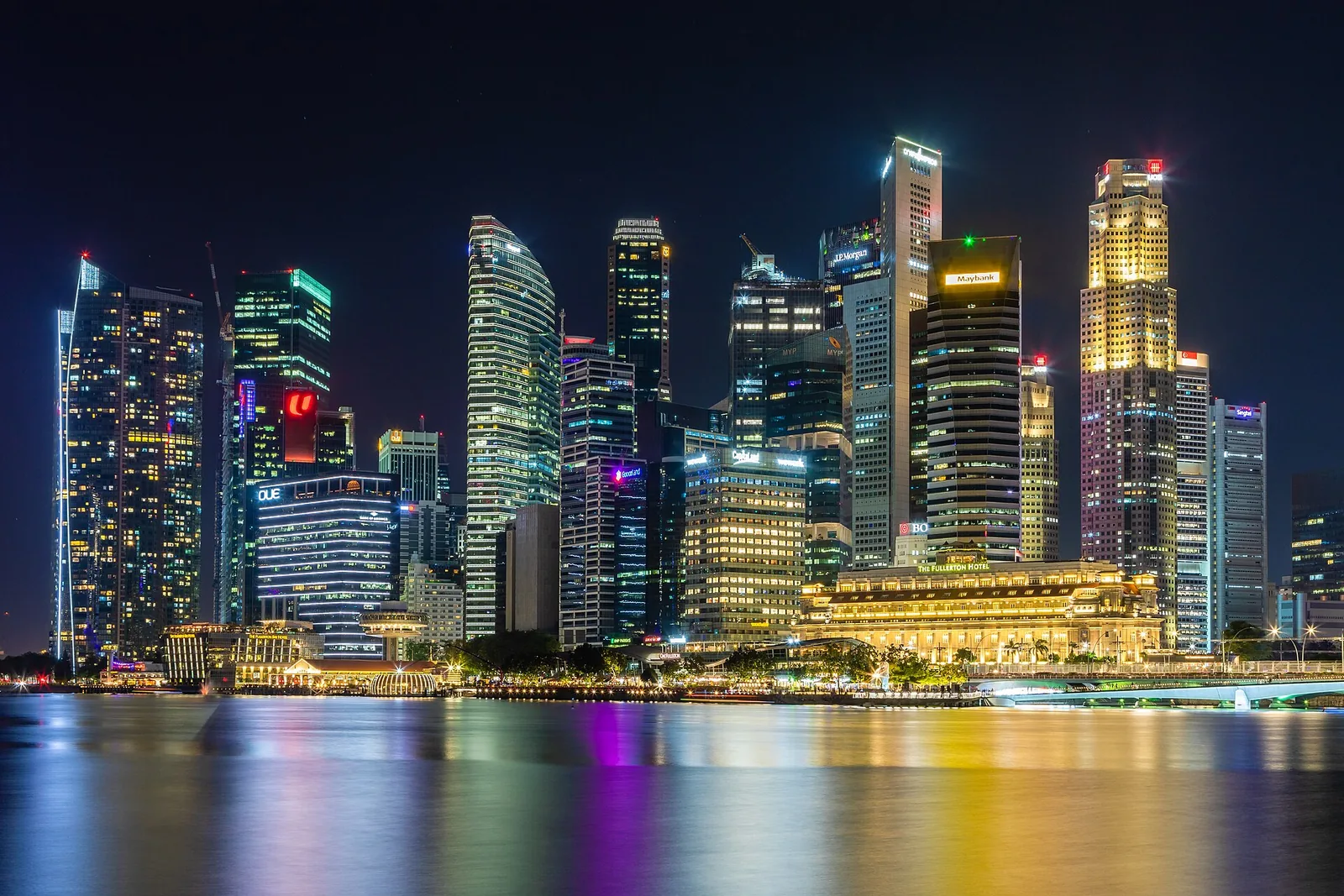
- Singapore’s extraterritorial drug laws apply to ayahuasca, even if consumed abroad.
- Ayahuasca is illegal in Malaysia, with strict penalties for possession or consumption.
- Legal non-psychedelic retreats can provide safe alternatives for Singaporeans.
As you step onto the lush grounds of a Bali ayahuasca retreat, the air is thick with the scent of tropical flora, a world apart from the bustling streets of Singapore and Kuala Lumpur. Yet, the allure of ayahuasca comes with intricate legal implications that every traveler must navigate.
Can Singaporeans or Malaysians do ayahuasca overseas without breaking the law?
Singaporeans and Malaysians should exercise caution regarding ayahuasca use abroad. While ayahuasca ceremonies are legal in countries like Peru and Costa Rica, Singapore’s strict drug laws extend beyond its borders. If caught with ayahuasca upon returning home, travelers may face severe penalties, including hefty fines and imprisonment. In Malaysia, ayahuasca is classified as a controlled substance, making its use illegal domestically and internationally. Given these circumstances, travelers must consider the legal risks before participating in an ayahuasca retreat.
Do Singapore drug laws apply to plant medicine taken abroad?
Yes, Singapore’s extraterritorial drug laws apply even to substances consumed outside the country. This means that if a Singaporean uses ayahuasca in Bali, they could still be prosecuted upon return if found in possession of any remnants or evidence of use. The Misuse of Drugs Act outlines these strict regulations, emphasizing the need for travelers to understand the implications fully. For example, even if a Singaporean participant takes ayahuasca in a legal setting abroad, they may unknowingly carry legal risks back home.
Is it safer for Singapore residents to choose legal non-psychedelic retreats?
Choosing legal non-psychedelic retreats is a safer alternative for Singapore residents. There are various wellness retreats in Bali that focus on holistic practices such as yoga, meditation, and traditional Balinese healing methods. These retreats offer a therapeutic environment without the legal complexities associated with ayahuasca. Prices for these retreats can range from $50 to $300 per night, depending on the level of accommodation and included services. For example, a week-long retreat may cost approximately $1,200 (IDR 17,000,000), which often encompasses meals, classes, and therapeutic sessions.
Can I attend a Bali retreat that only offers legal practices if I live in Singapore?
Yes, Singapore residents can attend Bali retreats that focus solely on legal practices like yoga and meditation. Many Bali retreats are designed to cater to wellness seekers without incorporating any illegal substances. For instance, the BaliSpirit Festival, which emphasizes yoga and wellness, attracts participants from Singapore and beyond, providing a legal and enriching experience. This festival showcases various holistic practices and offers workshops that promote mental and physical well-being, all within the bounds of the law.
Legal comparison of ayahuasca in Bali, Peru, and the Netherlands
In Bali, ayahuasca is not explicitly illegal, but it exists in a grey area of the law; however, its use is generally tolerated in ceremonial contexts. Conversely, in Peru, ayahuasca is recognized as a traditional medicine, and numerous retreats operate legally, with prices ranging from $100 to $300 per ceremony. The Netherlands has a more lenient approach, where psilocybin truffles are legal, and some ayahuasca ceremonies are permitted under specific conditions. This comparison highlights the varying legal landscapes and the importance of understanding local laws before participating in ayahuasca ceremonies.
Exploring safer alternatives to ayahuasca for Singaporeans
For Singaporeans looking for alternatives to the ayahuasca experience, there are several options available. Mindfulness retreats that focus on meditation, sound healing, and breathwork can provide profound experiences without the legal risks associated with ayahuasca. For instance, the Ubud area of Bali offers numerous retreats that engage participants in transformative practices without the use of any illegal substances. Workshops on personal development and spiritual growth can be equally enriching, providing tools for self-discovery and healing.
For more information on wellness retreats, visit [Bali tourism](https://www.indonesia.travel/gb/en/destinations/bali) and explore resources from [UNESCO](https://whc.unesco.org/en/statesparties/id) for cultural insights.
As you consider your options, remember to weigh the legal implications carefully. If you’re interested in planning a trip or learning more about Bali ayahuasca retreats, contact the team to explore safe and legal retreats tailored to your needs.
Understanding the legal landscape in Indonesia
Indonesia’s legal framework regarding psychoactive substances is stringent, particularly concerning the use of ayahuasca. Ayahuasca, which contains the hallucinogenic compound DMT (dimethyltryptamine), is classified as a Class-1 narcotic under Indonesian law. This classification means that possession, consumption, or distribution of ayahuasca is illegal, and violators face severe penalties, including lengthy prison sentences. The government enforces these laws rigorously, with law enforcement agencies conducting regular raids on suspected underground ceremonies.
In 2018, the Indonesian government took a firm stance by reinforcing its drug laws, which resulted in increased public awareness about the risks associated with illegal drug use. The penalties for drug offenses in Indonesia can include imprisonment for several years and fines that can reach up to 1 billion IDR (approximately $70,000 USD). Therefore, understanding the legal implications before considering participation in ayahuasca ceremonies is crucial for travelers from Singapore and Malaysia.
Evaluating claims about ayahuasca retreats
As travelers research ayahuasca retreats in Bali, it is essential to approach claims made by retreat centers with a discerning eye. Many establishments may promote themselves as legitimate and safe, but the absence of regulatory oversight means that it can be challenging to verify their credibility. Look for retreats that provide transparency regarding their facilitators’ qualifications, the ingredients used in their brews, and their adherence to local health and safety standards.
Seek reviews from past participants on independent platforms instead of relying solely on testimonials from the retreat’s website. Additionally, inquire about the retreat’s approach to participant safety, including pre-ceremony health assessments and emergency protocols. A reputable retreat should prioritize participant well-being and have clear guidelines for addressing any adverse reactions that may arise during the ceremony.
Safer alternatives to ayahuasca in Bali
For those who want to explore altered states of consciousness without the legal risks associated with ayahuasca, Bali offers a variety of legal and safer alternatives. Breathwork classes, meditation retreats, and sound healing sessions are becoming increasingly popular among wellness seekers. For example, breathwork workshops can range from $30 to $100 per session, depending on the duration and the facilitator’s expertise. These practices encourage deep relaxation and self-exploration, providing a sense of connection and clarity without the legal ramifications of psychoactive substances.
Kambo, a traditional Amazonian medicine derived from the secretion of the giant monkey frog, is another alternative gaining traction in Bali. While its legality in Indonesia is still a gray area, many practitioners operate openly, offering ceremonies that promote physical and emotional healing. Participants should conduct thorough research and ensure that they are working with certified practitioners who prioritize safety and ethical practices.
Planning specifics? See bali ayahuasca retreat booking or bali ayahuasca retreat.
Keep Reading

Uncategorized
The Big Myth About Bali Airport Fast Track That Can Ruin Your First Night At A Retreat
Many retreat guests assume Bali airport fast track is a magic VIP lane that legally jumps immigration for anyone who…
Uncategorized
Planning a Luxury Labuan Bajo Escape in 2027 (Part 7)
As you plan your luxury escape to Labuan Bajo in 2027, consider the breathtaking natural beauty, exquisite accommodations, and unforgettable…

Uncategorized
Beyond Bali: Add Komodo to Your Indonesia Trip 2026
If you’re planning a phenomenal Indonesian getaway in 2026, don’t overlook the breathtaking Komodo National Park. This UNESCO World Heritage…