Ayahuasca’s Amazonian Roots vs. Bali’s Spiritual Traditions: Why Context Matters
• Ayahuasca is traditionally used by indigenous tribes in the Amazon for spiritual and healing purposes.
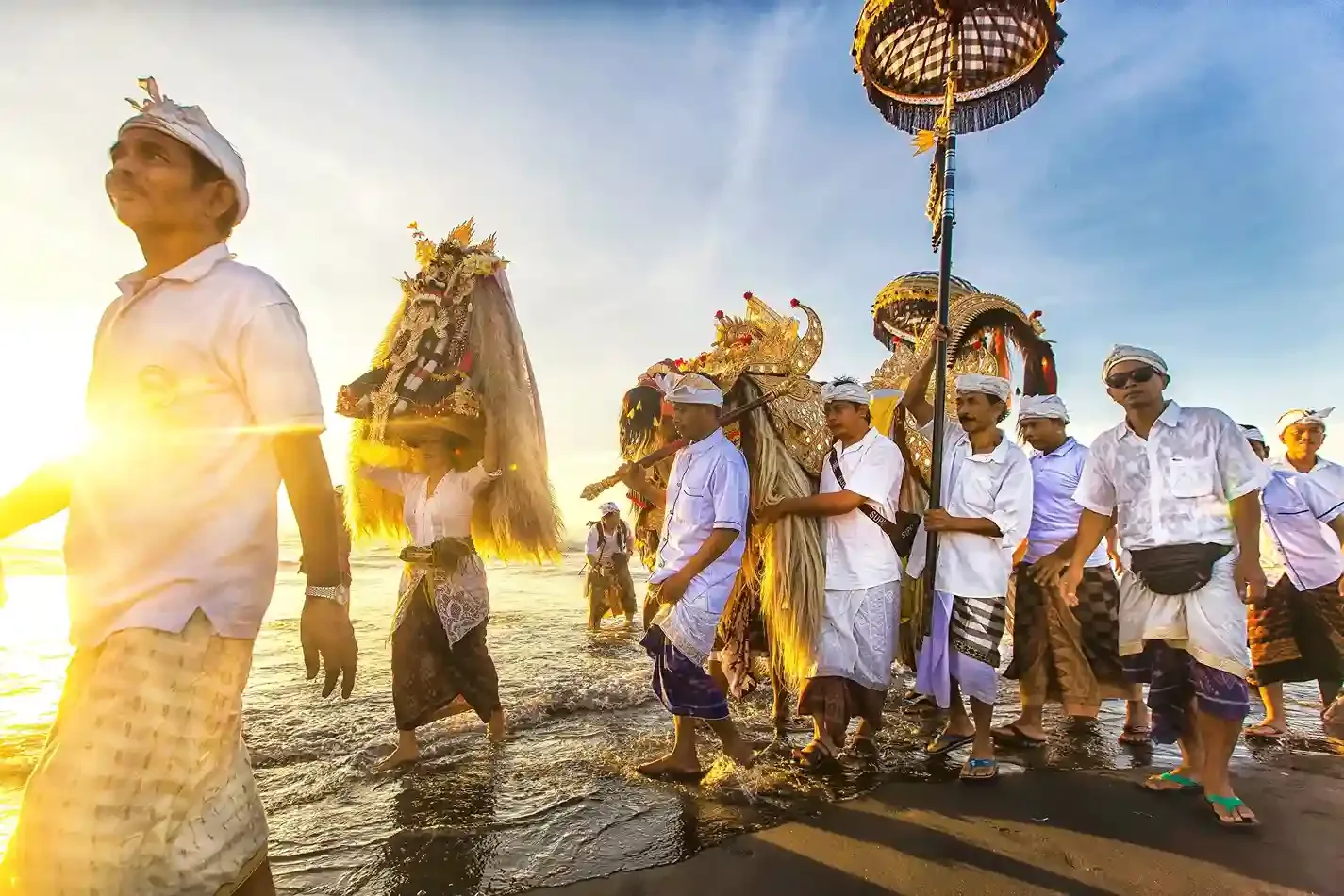
• Balinese spirituality incorporates a mix of Hindu influences and local traditions, focusing on rituals and offerings.
• The legality of ayahuasca varies significantly between countries, including Peru, Costa Rica, and Indonesia.
The scent of burning incense wafts through the air, mingling with the earthy aroma of the jungle. As the sun sets behind the lush green hills of Bali, participants gather for a deeply spiritual experience that intertwines two vastly different cultural practices.
Where does ayahuasca come from originally?
Ayahuasca originates from the Amazon Basin, primarily used by indigenous tribes such as the Shipibo and Ashaninka for centuries. This sacred brew is made from the Banisteriopsis caapi vine and the leaves of the Psychotria viridis plant, combining to create a powerful hallucinogenic experience. The history of ayahuasca in the Amazon is marked by ritual use in healing ceremonies, connecting individuals with spiritual realms, and fostering community bonds. As these practices have gained global popularity, many seek to experience ayahuasca outside its traditional context, including in Bali, where cultural dynamics shift dramatically.
How do Balinese spiritual practices differ from Amazonian plant medicine?
Balinese spiritual practices are rooted in Hinduism and local animistic beliefs, focusing on rituals, offerings, and a connection to nature. Unlike ayahuasca, which is primarily a psychoactive substance used for introspection and healing, Balinese healing traditions encompass a wide range of ceremonies such as the Melasti purification ritual and the Ngaben cremation ceremony. The emphasis is on harmony with the spiritual and physical worlds, often involving elaborate offerings and communal participation. This contrasts with the individualistic journey provided by ayahuasca, highlighting the different approaches to spirituality and healing in these cultures.
Is it cultural appropriation to hold ayahuasca ceremonies in Bali?
The question of cultural appropriation arises when discussing ayahuasca ceremonies in Bali. Critics argue that hosting ayahuasca retreats in Bali can dilute the indigenous context of the Amazonian tradition, appropriating its spiritual significance without the deep cultural roots that define it. Proponents, however, may see the blending of traditions as a form of spiritual exploration. The ethical implications are complex, as they touch on respect for indigenous practices and the commercialization of sacred rites. It is essential for retreat leaders to approach this issue with sensitivity and awareness of the indigenous context of ayahuasca.
What legal and ethical issues arise when importing ayahuasca to Bali?
Legally, ayahuasca is a controlled substance in Indonesia, making its importation and use a subject of significant scrutiny. The legal status of ayahuasca varies globally; for example, in Peru, it is legal and culturally accepted, while in Costa Rica, it is recognized for ritual use. In Bali, however, retreat organizers must navigate strict laws regarding psychoactive substances. Ethically, the use of ayahuasca in Bali raises questions about the potential exploitation of indigenous cultures, the commodification of spiritual practices, and the responsibilities of facilitators to ensure a respectful and safe environment for participants. Costs for ayahuasca retreats in Bali can range from $200 to $500 per session (3,000,000 to 7,500,000 IDR), reflecting both the legal risks and the demand for these experiences.
The role of indigenous context in ayahuasca ceremonies
The indigenous context of ayahuasca ceremonies is paramount to understanding its significance. For Amazonian tribes, ayahuasca serves as a bridge between the physical and spiritual worlds, guided by experienced shamans who facilitate the journey. These ceremonies often encompass rich cultural narratives, using the plant medicine as a means of community healing and personal growth. In contrast, Bali’s spiritual landscape is shaped by its unique traditions, where healing is less about a singular experience with ayahuasca and more about a holistic approach that includes rituals, meditation, and community involvement. The absence of a direct shamanic lineage in Bali can lead to a diluted interpretation of ayahuasca, further complicating the ethical landscape surrounding its use.
Comparative healing traditions: Bali and the Amazon
Comparative analysis of Bali’s healing traditions and ayahuasca reveals fundamental differences in methodology and intent. Balinese healing typically integrates various practices, including herbal medicine, prayers, and rituals, aimed at restoring balance between the individual and the cosmos. In contrast, the history of ayahuasca in the Amazon emphasizes transcending reality through introspective journeys facilitated by a shaman. While both practices aim for healing, the methods and cultural significance diverge significantly. Participants may find that Bali’s holistic approach complements or contrasts with the profound experiences offered by ayahuasca, depending on their spiritual objectives.
For more insights into these fascinating cultural intersections, visit [Wikipedia’s Ayahuasca page](https://en.wikipedia.org/wiki/Ayahuasca) and explore [Bali’s spiritual traditions](https://www.indonesia.travel/gb/en/destinations/bali) on the official tourism website.
To understand the intricate dynamics of spiritual healing in Bali and beyond, contact the team through our [contact page](https://baliayahuascaretreat.com/contact/).
The legal landscape of ayahuasca in Bali
As the moon rises over the Balinese landscape, it casts a silver glow on the complexities of legality surrounding ayahuasca. In Indonesia, the legal framework is strict; both ayahuasca and its primary component, DMT (dimethyltryptamine), are classified as Class-1 narcotics under Indonesian law. This means that possession, distribution, or consumption of ayahuasca can lead to severe penalties, including lengthy prison sentences. In fact, the Indonesian government has intensified its crackdown on illegal narcotics, making it crucial for travelers to be informed about the laws before participating in any retreat.
Many underground ceremonies operate without legal sanction, often under the guise of spiritual healing. These clandestine gatherings pose significant risks, including potential legal repercussions and safety concerns. Participants may find themselves vulnerable to exploitation, inadequate medical support, or unsafe practices. Engaging in such activities can lead to not only legal trouble but also emotional and psychological distress.
Legal alternatives to ayahuasca retreats in Bali
While ayahuasca retreats are illegal in Bali, numerous legal alternatives provide spiritual enrichment without the associated risks. Practices such as breathwork, meditation, and sound healing have gained popularity among travelers seeking personal growth and healing. These modalities allow participants to explore consciousness and spirituality without the legal ramifications that ayahuasca carries. For instance, many wellness centers offer guided breathwork sessions for as little as $30 per class, providing an accessible entry point into deeper self-exploration.
Furthermore, kambo, a traditional Amazonian secretion used for detoxification and healing, is legal and can be found in Bali. However, it’s essential to approach this treatment with caution, as improper application can lead to adverse effects. Always ensure that practitioners are certified and that the environment is safe. The availability of these legal practices in Bali allows visitors to experience profound spiritual growth while adhering to local laws.
Reputable ayahuasca retreats abroad
For those determined to experience ayahuasca in a legal setting, several countries offer reputable retreats. Peru, for instance, is renowned for its ayahuasca ceremonies led by experienced shamans. The Sacred Valley of Peru hosts numerous retreats, with prices averaging around $600 for a week-long program, which often includes accommodation, meals, and multiple ceremonies. Costa Rica and the Netherlands also provide legal avenues for ayahuasca experiences, emphasizing safety and participant well-being.
When considering a retreat, it is crucial to conduct thorough due diligence. Look for retreats that offer transparency in their practices, have qualified facilitators, and provide comprehensive health screenings. Websites such as [Wikipedia](https://en.wikipedia.org/wiki/Ayahuasca) can serve as a valuable resource, while platforms like [Retreat Guru](https://retreat.guru) compile reviews and ratings from previous participants. This meticulous approach ensures that travelers can engage in ayahuasca ceremonies responsibly and safely, prioritizing their health and legal standing.
Planning specifics? See bali ayahuasca retreat booking or baliayahuascaretreat money.
Keep Reading

Uncategorized
The Big Myth About Bali Airport Fast Track That Can Ruin Your First Night At A Retreat
Many retreat guests assume Bali airport fast track is a magic VIP lane that legally jumps immigration for anyone who…
Uncategorized
Planning a Luxury Labuan Bajo Escape in 2027 (Part 7)
As you plan your luxury escape to Labuan Bajo in 2027, consider the breathtaking natural beauty, exquisite accommodations, and unforgettable…
Uncategorized
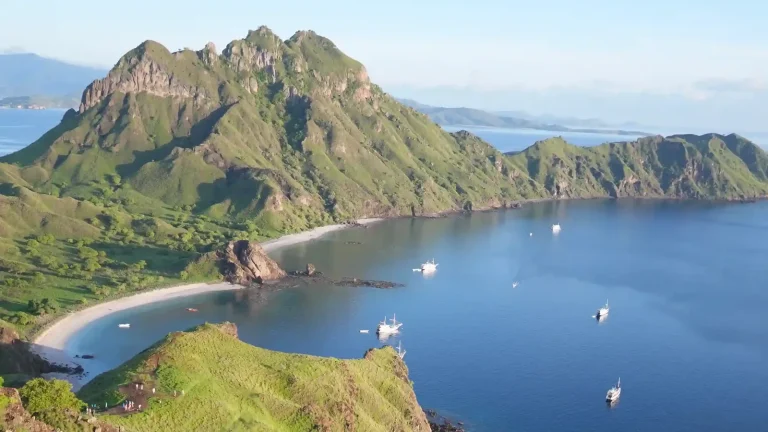
Beyond Bali: Add Komodo to Your Indonesia Trip 2026
If you’re planning a phenomenal Indonesian getaway in 2026, don’t overlook the breathtaking Komodo National Park. This UNESCO World Heritage…